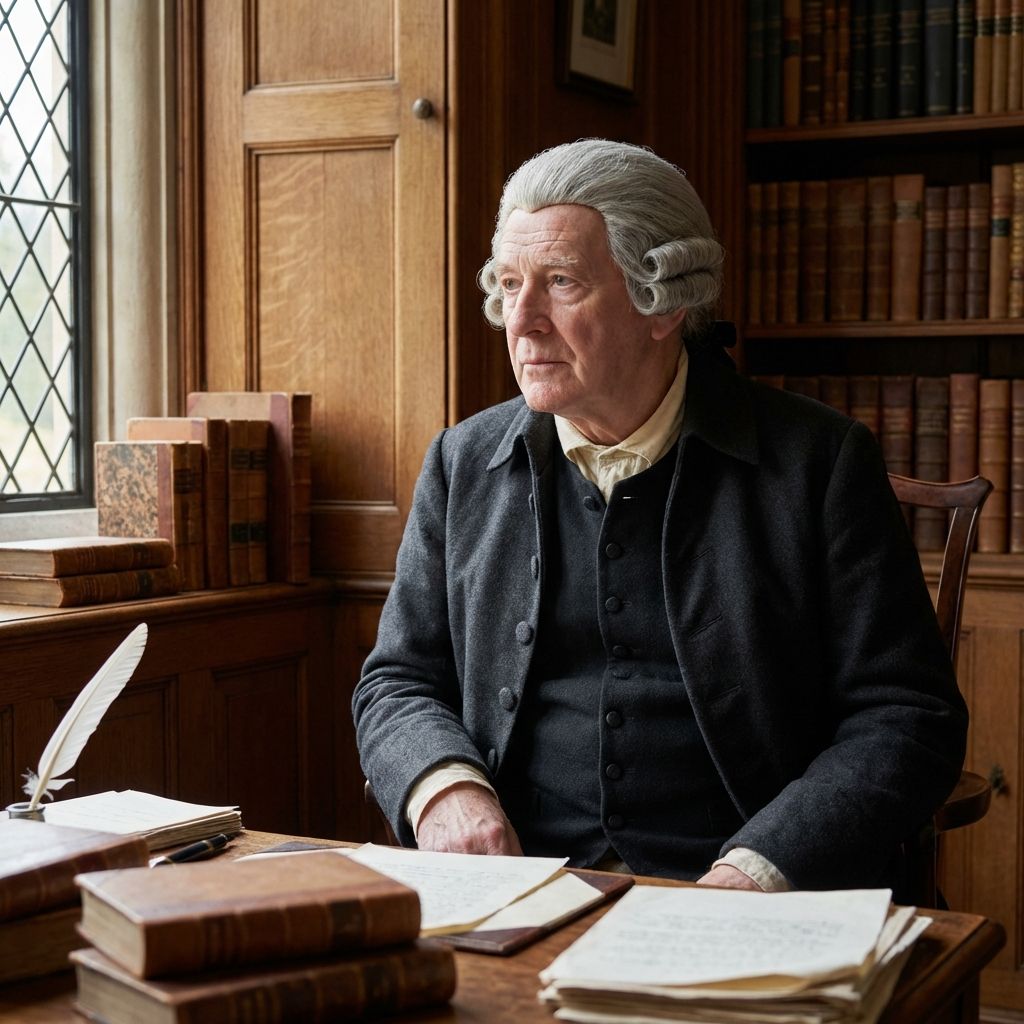
[The British monarchy:] Its mystery is its life. We must not let in daylight upon magic. We must not bring the Queen into the combat of politics, or she will cease to be reverenced by all combatants.
About This Quote

Walter Bagehot wrote this in the mid-Victorian era while analyzing Britain’s unwritten constitution and the practical workings of monarchy, cabinet government, and Parliament. In The English Constitution (first published 1867), he distinguishes the monarchy’s “dignified” functions—symbolic, ceremonial, and unifying—from the “efficient” parts of government that actually make policy. The passage reflects Bagehot’s view that the Crown’s political usefulness depends on public reverence and a certain cultivated distance: if the sovereign is seen as an ordinary partisan actor, the monarchy loses its cross-party authority and stabilizing role in a competitive parliamentary system.
Interpretation
Bagehot argues that monarchy operates through symbolism and shared belief rather than through open political contest. “Mystery” and “magic” are not mere romantic flourishes; they name the psychological and cultural aura that makes the Crown a focus of loyalty across factions. Exposing the monarch to “daylight”—public scrutiny, partisan debate, and the rough-and-tumble of electoral politics—would demystify the institution and turn it into just another political player. For Bagehot, the sovereign’s value lies in being above the fray, enabling the Crown to command respect from opponents alike and to serve as a unifying emblem even when governments change.
Source
Walter Bagehot, The English Constitution (London: Chapman and Hall, 1867), chapter on “The Monarchy.”