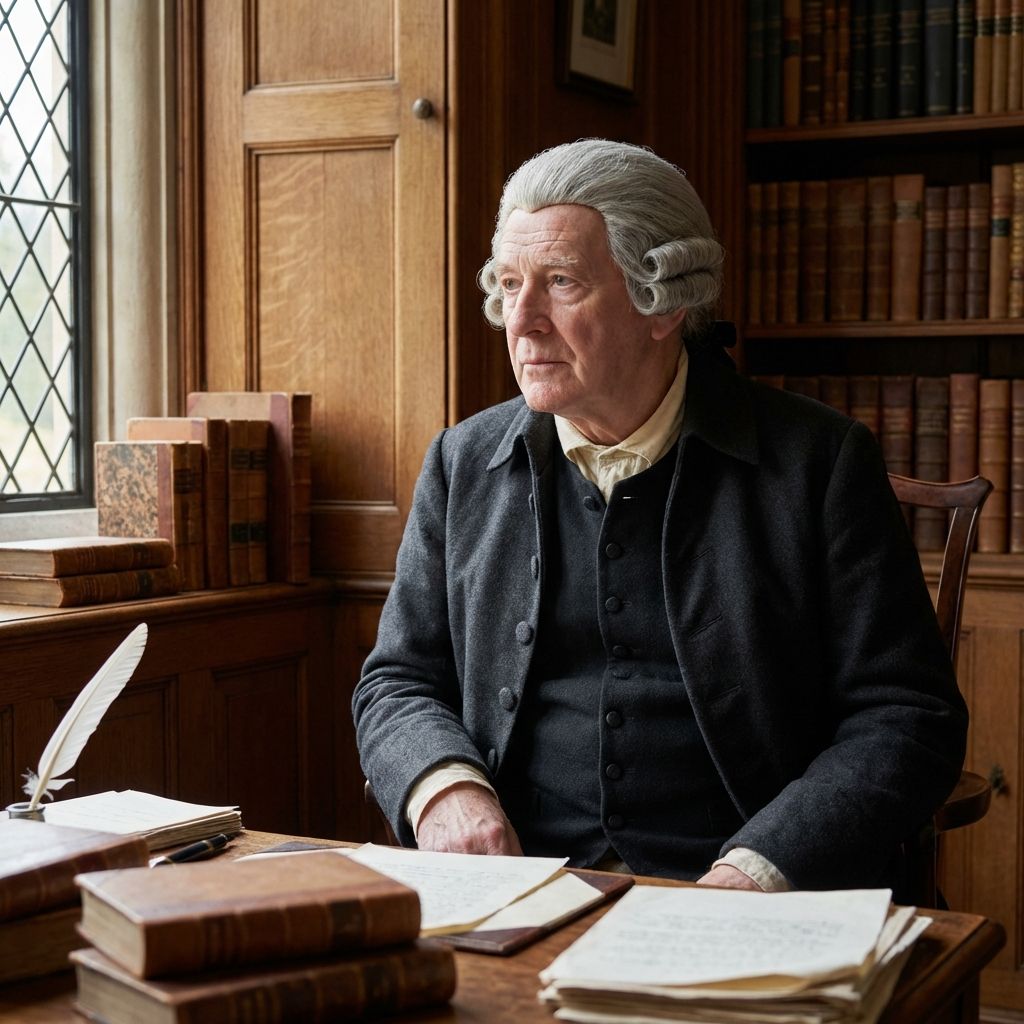
Burke said there were Three Estates in Parliament; but, in the Reporters' gallery yonder, there sat a Fourth Estate more important far than they all.
About This Quote

Carlyle’s remark comes from his discussion of the rise of modern public opinion and the growing political power of the press in early nineteenth-century Britain. In the era of parliamentary reform and expanding literacy, newspaper reporting increasingly mediated politics for a mass audience beyond Westminster. Carlyle invokes Edmund Burke’s traditional “Three Estates” (the established orders represented in Parliament) to argue that the reporters in the press gallery constitute a new, decisive force—able to shape reputations, frame debates, and mobilize the public. The line reflects Carlyle’s broader preoccupation with authority, representation, and the moral responsibilities of those who influence society.
Interpretation
The quote identifies journalism as an emergent “estate” whose influence can outweigh formal constitutional powers. Carlyle suggests that political reality is no longer confined to official institutions: what matters is how events are narrated, circulated, and believed by the public. Calling the press “more important far than they all” is both descriptive and cautionary. It recognizes the press as a mechanism of accountability and popular participation, but it also implies anxiety about power exercised indirectly—through publicity, persuasion, and mass sentiment rather than deliberation within established bodies. The phrase helped crystallize the enduring idea of the press as a “Fourth Estate.”
Variations
“Burke said there were Three Estates in Parliament; but, in the Reporters’ Gallery yonder, there sat a Fourth Estate more important far than they all.”
“Burke said there were three estates in Parliament; but in the reporters’ gallery yonder there sat a fourth estate more important far than they all.”
“Burke said there were Three Estates in Parliament; but in the Reporters’ Gallery there sat a Fourth Estate more important far than they all.”
Source
Thomas Carlyle, On Heroes, Hero-Worship, and the Heroic in History, Lecture V (“The Hero as Man of Letters. Johnson, Rousseau, Burns”), delivered May 19, 1840; first published London: James Fraser, 1841.