Christmas is a season for kindling the fire for hospitality in the hall, the genial flame of charity in the heart.
About This Quote
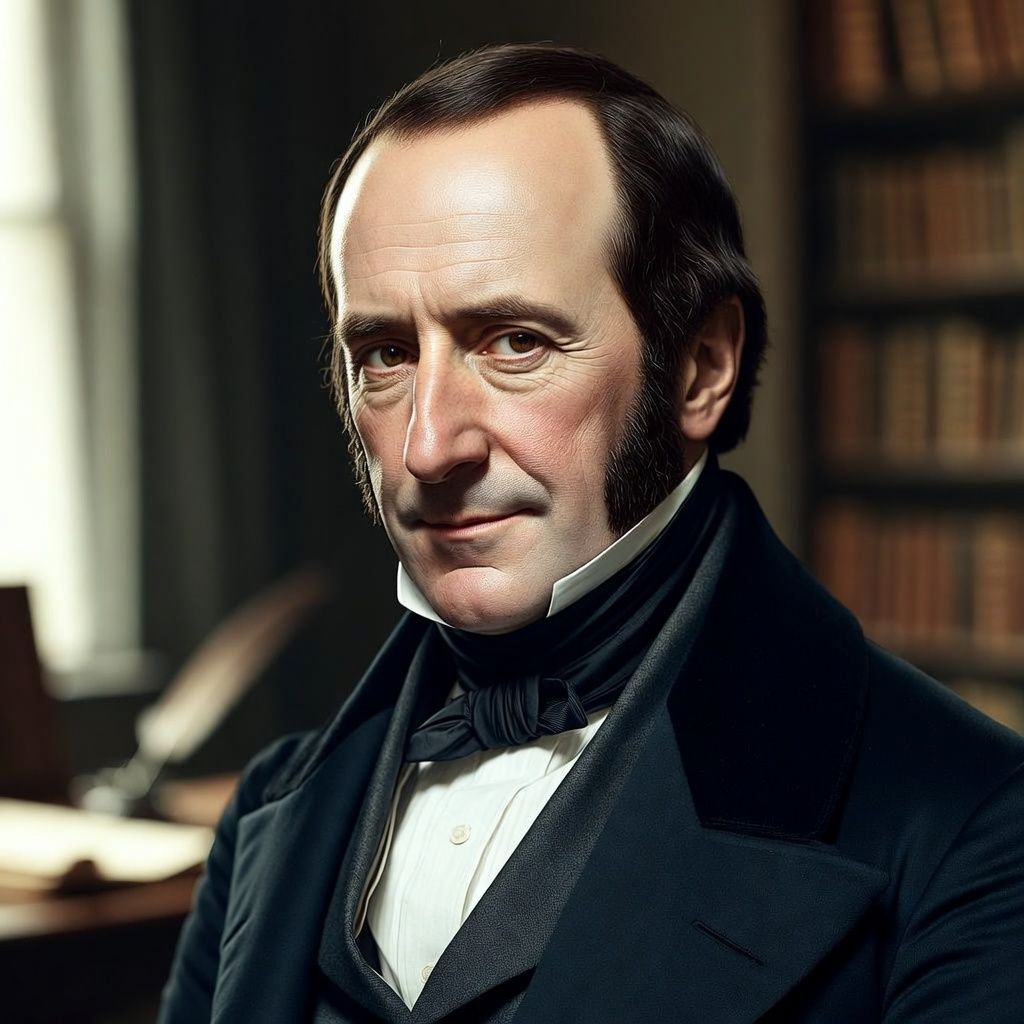
Washington Irving’s line comes from his celebrated Christmas sketches in *The Sketch Book of Geoffrey Crayon, Gent.* (1819–1820), written during his years in England. In essays such as “Christmas” and “The Christmas Dinner,” Irving nostalgically depicts an idealized English country-house holiday: open doors, abundant food, and a social ritual that temporarily softens class boundaries. These pieces helped shape the modern Anglo-American literary image of Christmas as a domestic, communal festival rather than solely a church observance. The sentence appears as Irving generalizes from the scene he has been describing, presenting Christmas as a time when households revive older traditions of welcome and benevolence.
Interpretation
The quotation uses the imagery of fire and flame to link outward hospitality with inward moral warmth. “Hospitality in the hall” evokes the public, social dimension of Christmas—opening one’s home and table—while “the genial flame of charity in the heart” points to private virtue: generosity, compassion, and fellow-feeling. Irving’s phrasing suggests that seasonal customs are not mere decoration; they are instruments for rekindling humane bonds that can cool during ordinary life. The sentence also reflects Romantic-era nostalgia for communal tradition, implying that ritual and shared celebration can renew ethical life by making kindness feel natural and pleasurable rather than dutiful.
Source
Washington Irving, “Christmas,” in The Sketch Book of Geoffrey Crayon, Gent. (1819–1820).