The conductor of an orchestra doesn’t make a sound. He depends, for his power, on his ability to make other people powerful.
About This Quote
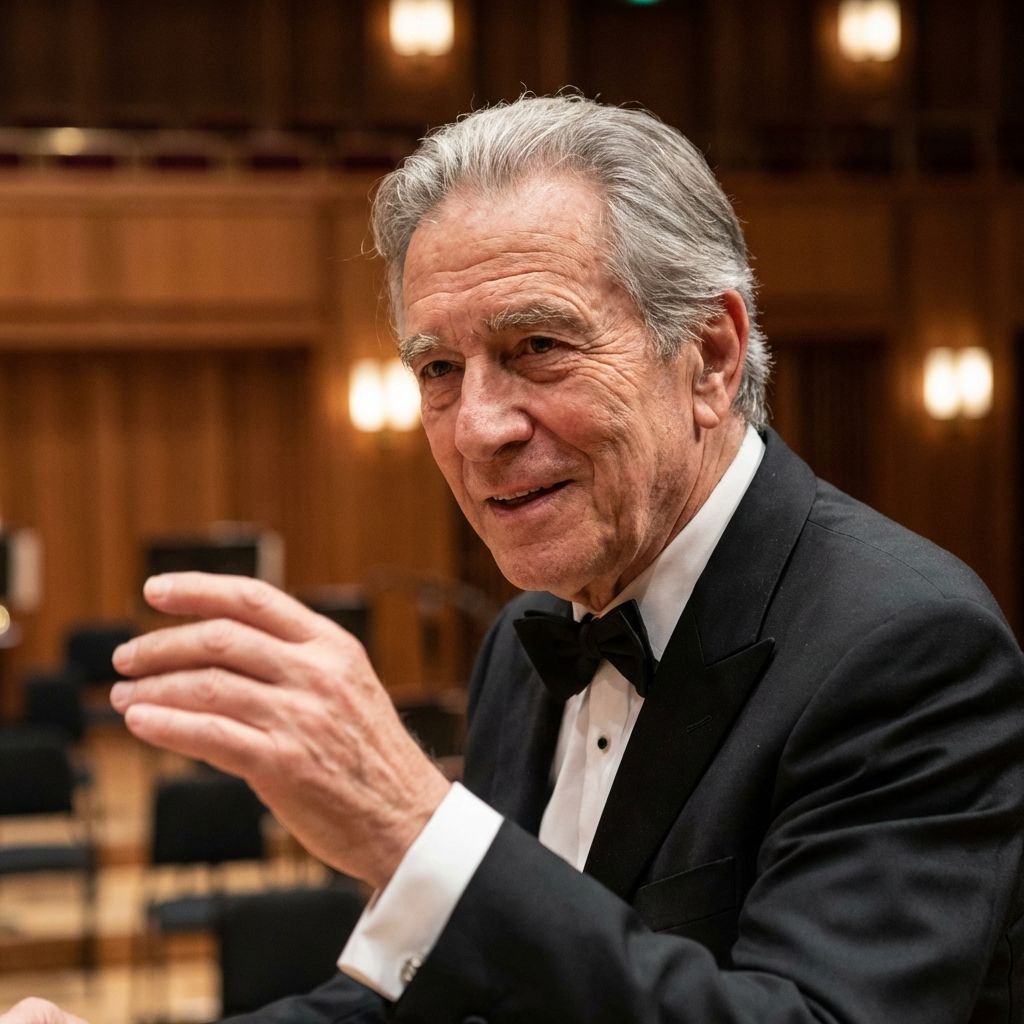
Benjamin Zander, long-time conductor of the Boston Philharmonic Orchestra and a prominent teacher, has used this line in talks and workshops about leadership and “possibility,” often drawing on the orchestra as a model for organizational life. In that setting, he contrasts the conductor’s silence with the visible authority of the podium: unlike many leaders, the conductor produces no direct “output” (no sound) and must achieve results entirely through enabling others—musicians—to perform at their best. The remark is typically offered as a practical lesson for managers, educators, and civic leaders about influence, empowerment, and the ethics of authority.
Interpretation
The quote reframes leadership as an indirect art. The conductor’s power is not coercive or productive in the literal sense; it is relational and interpretive—shaping tempo, balance, phrasing, and confidence so that the ensemble can realize the music. Zander implies that the highest form of authority is measured by what it releases in others: clarity, courage, and excellence. The line also critiques ego-driven leadership: if the leader must be the one “making the sound,” the group’s capacity is diminished. In Zander’s broader philosophy, success comes from creating conditions in which others experience themselves as capable and fully engaged.