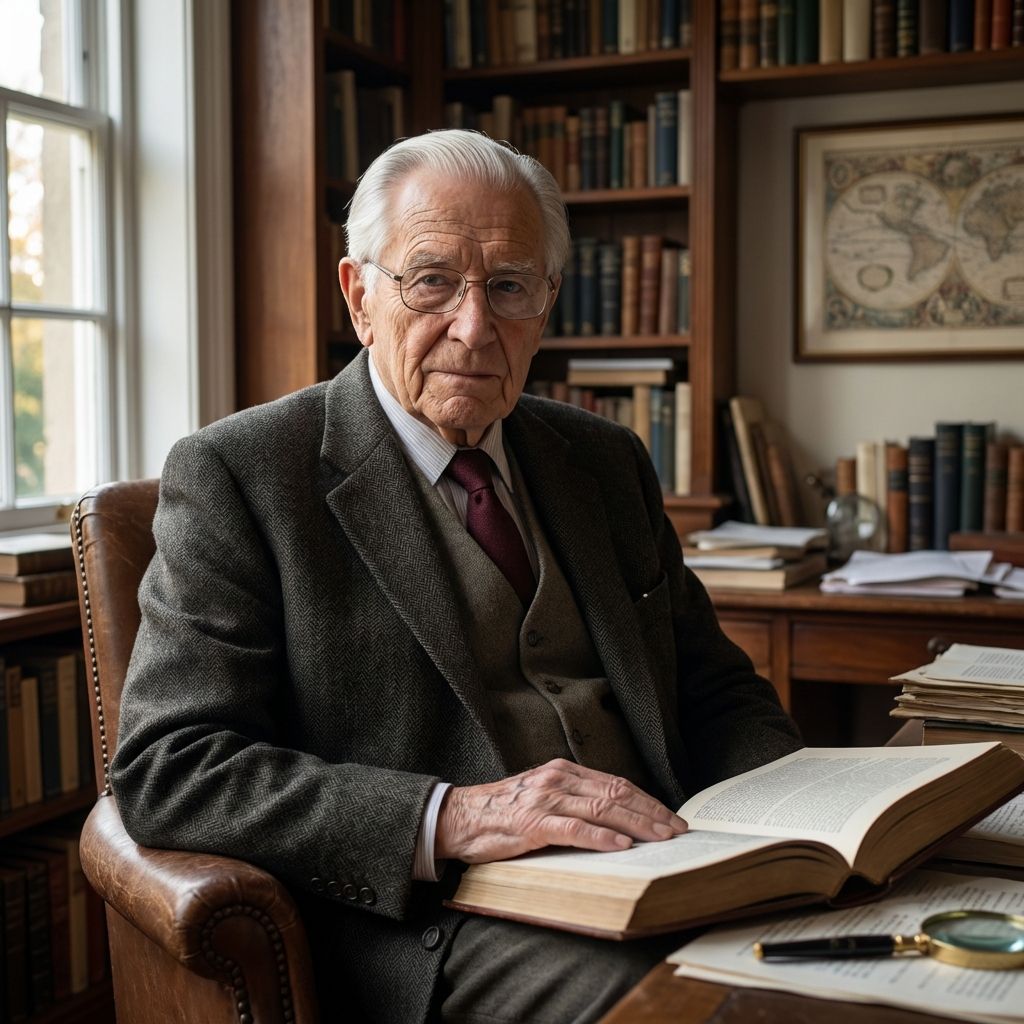
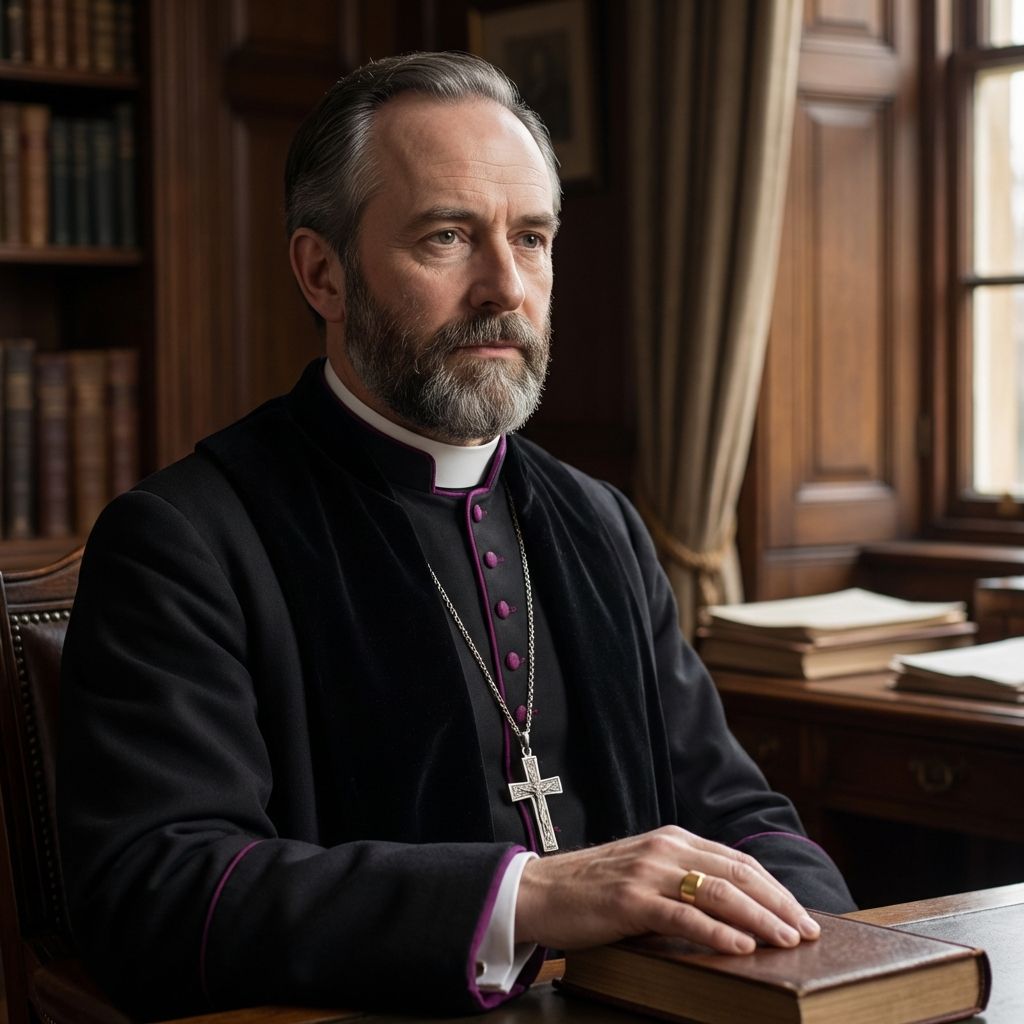
Who controls the past controls the future. Who controls the present controls the past.
About This Quote

The line appears in George Orwell’s dystopian novel *Nineteen Eighty-Four* (1949), where the ruling Party maintains power through pervasive surveillance, propaganda, and the systematic falsification of records. In Oceania, history is not treated as a fixed account but as a malleable narrative continually rewritten to match the Party’s current needs. The slogan encapsulates the logic behind Winston Smith’s work at the Ministry of Truth, where he alters newspapers and documents so that the past always appears to have unfolded exactly as the Party claims. Orwell wrote the novel in the aftermath of World War II, amid anxieties about totalitarian regimes and state control of information.
Interpretation
Orwell’s aphorism links political power to control over collective memory. If a regime can dictate what people believe happened—by censoring archives, rewriting textbooks, and flooding the public sphere with approved narratives—it can shape citizens’ expectations and choices, thereby steering the future. The second sentence reverses the causal chain: whoever holds power now can retroactively manufacture “evidence” and redefine truth, making dissent harder because even the grounds for argument disappear. The quote highlights how epistemic control (control of facts, records, and language) becomes a tool of domination, turning history into an instrument for legitimizing authority rather than a check upon it.
Variations
1) "He who controls the past controls the future. He who controls the present controls the past." 2) "Who controls the past controls the future; who controls the present controls the past."
Source
George Orwell, *Nineteen Eighty-Four* (Secker & Warburg, 1949). Slogan attributed to the Party/Inner Party: “Who controls the past controls the future: who controls the present controls the past.”