Crito, I owe a cock to Asclepius; will you remember to pay the debt?
About This Quote
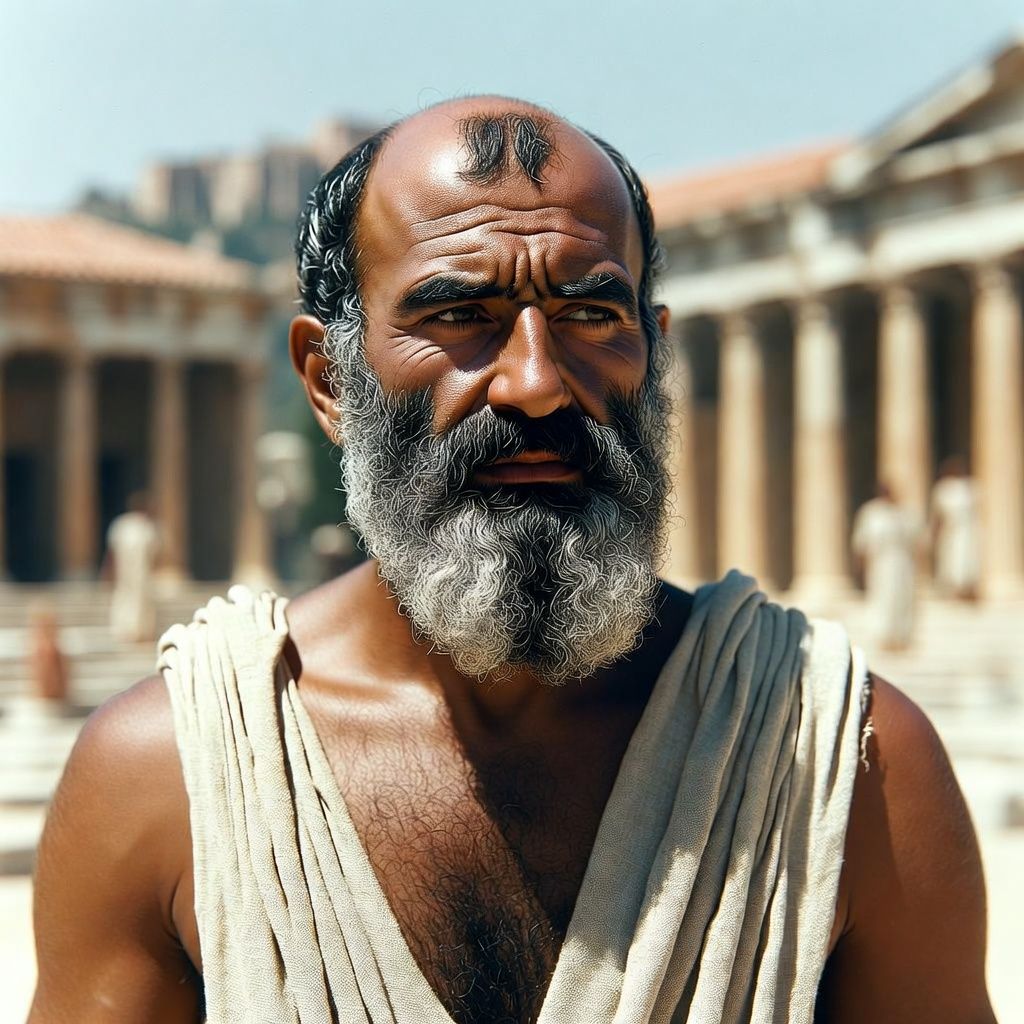
These are presented as Socrates’ last words in Plato’s dialogue *Phaedo*, spoken in Athens in 399 BCE just after he drinks the hemlock and is dying among his friends. Crito, a close companion, is at his bedside. Asclepius was the Greek god of healing, and it was customary to offer a cock in thanks for recovery from illness. The remark comes at the end of Socrates’ calm discussion of the soul’s immortality and the philosopher’s readiness for death, moments before his body succumbs to the poison.
Interpretation
The line is often read as Socrates treating death as a kind of “cure”: if life is a condition from which the soul is finally released, then dying is a healing for which thanks are due to Asclepius. It also underscores Socrates’ practical piety and moral exactness—he remembers a small religious debt even at the point of death—reinforcing the portrait of a man whose philosophical composure extends to ordinary obligations. The ambiguity (is he thanking for release from life, or for some specific recovery?) has made the sentence a focal point for debates about Plato’s attitude toward the body and the meaning of philosophical “purification.”
Variations
Common English renderings include: (1) “Crito, we owe a cock to Asclepius; pay it and do not neglect it.” (2) “Crito, I owe Asclepius a cock; see that it is paid.” (3) “Crito, we owe a cock to Asclepius; remember to pay the debt.”
Source
Plato, *Phaedo*, 118a (Socrates’ final words, in the closing scene after the hemlock).