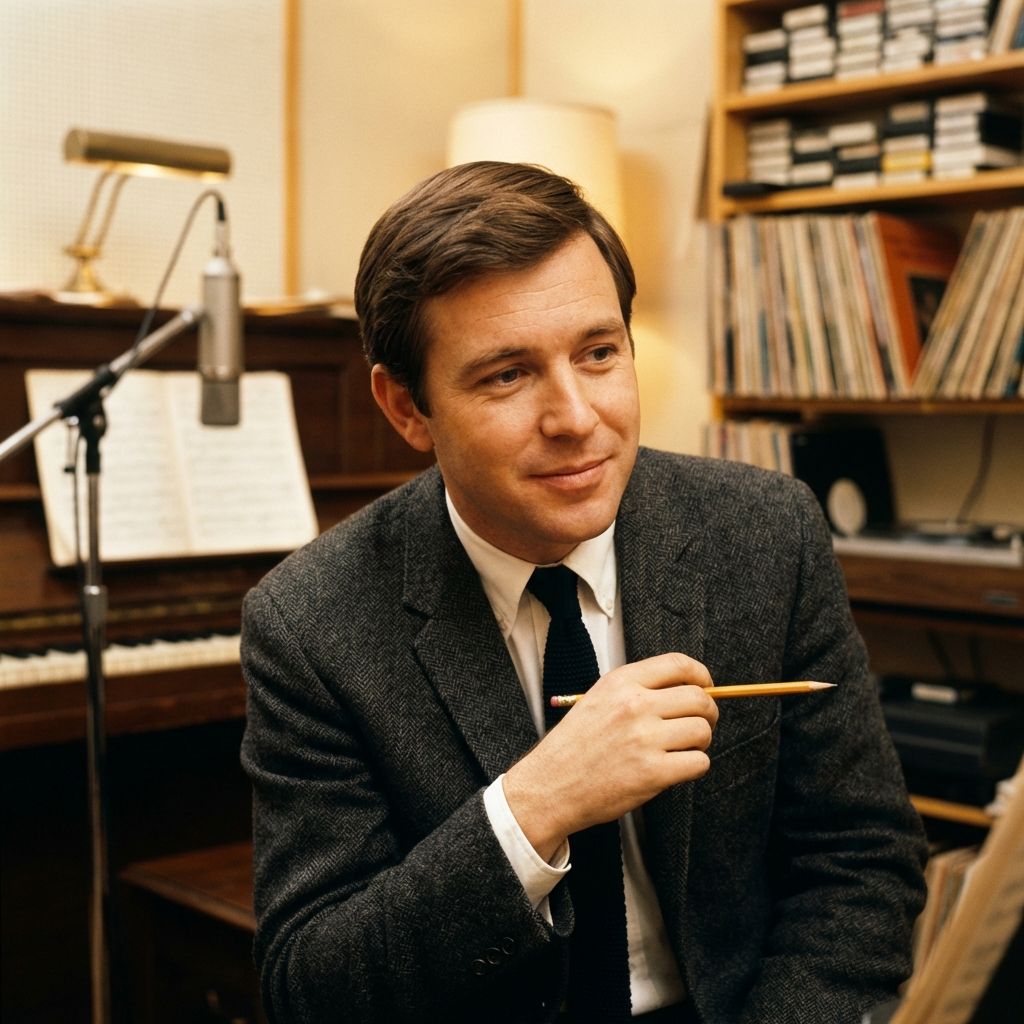
Those who decide to use leisure as a means of mental development, who love good music, good books, good pictures, good plays, good company, good conversation - what are they? They are the happiest people in the world.
About This Quote
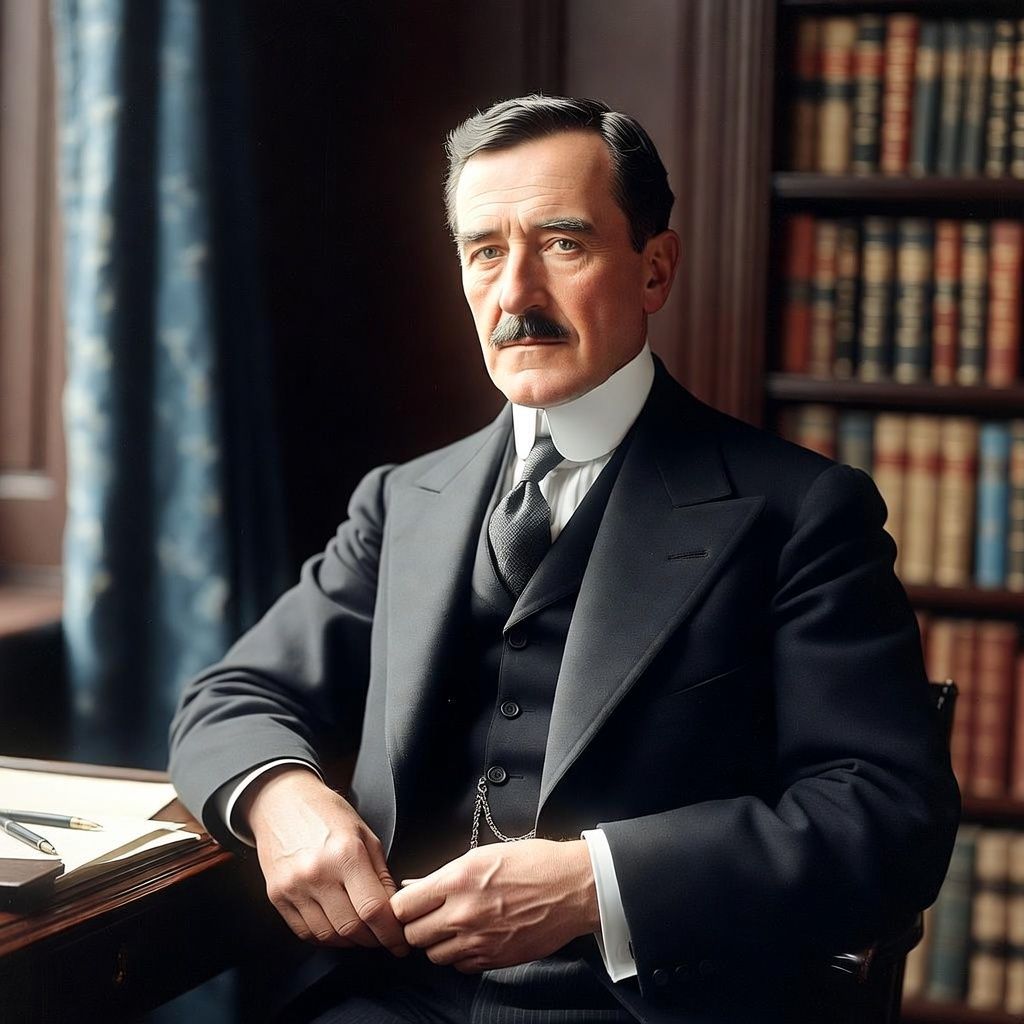
William Lyon Phelps (1865–1943), a prominent Yale professor and popularizer of literature, frequently argued in lectures and essays that the arts and reading were not luxuries but essential to a full life. This quotation reflects his early-20th-century emphasis on “self-culture” and the purposeful use of free time amid expanding leisure in modern industrial society. Phelps often addressed general audiences beyond the academy—encouraging them to treat leisure as an opportunity for intellectual and aesthetic growth through books, music, theater, visual art, and conversation. The line fits his broader mission of democratizing literary appreciation and linking cultivated taste with everyday happiness.
Interpretation
The statement defines happiness less as comfort or amusement than as an active, chosen way of living. Phelps contrasts passive leisure with leisure used deliberately for “mental development,” suggesting that the richest pleasures come from sustained engagement with art, ideas, and other people. The list—music, books, pictures, plays, company, conversation—maps a humane curriculum of the senses and the mind, where aesthetic experience and social exchange reinforce one another. The rhetorical question (“what are they?”) turns into a moral conclusion: those who cultivate taste and intellect are “the happiest,” because their sources of satisfaction are renewable, deepening with time, and less dependent on external circumstance.