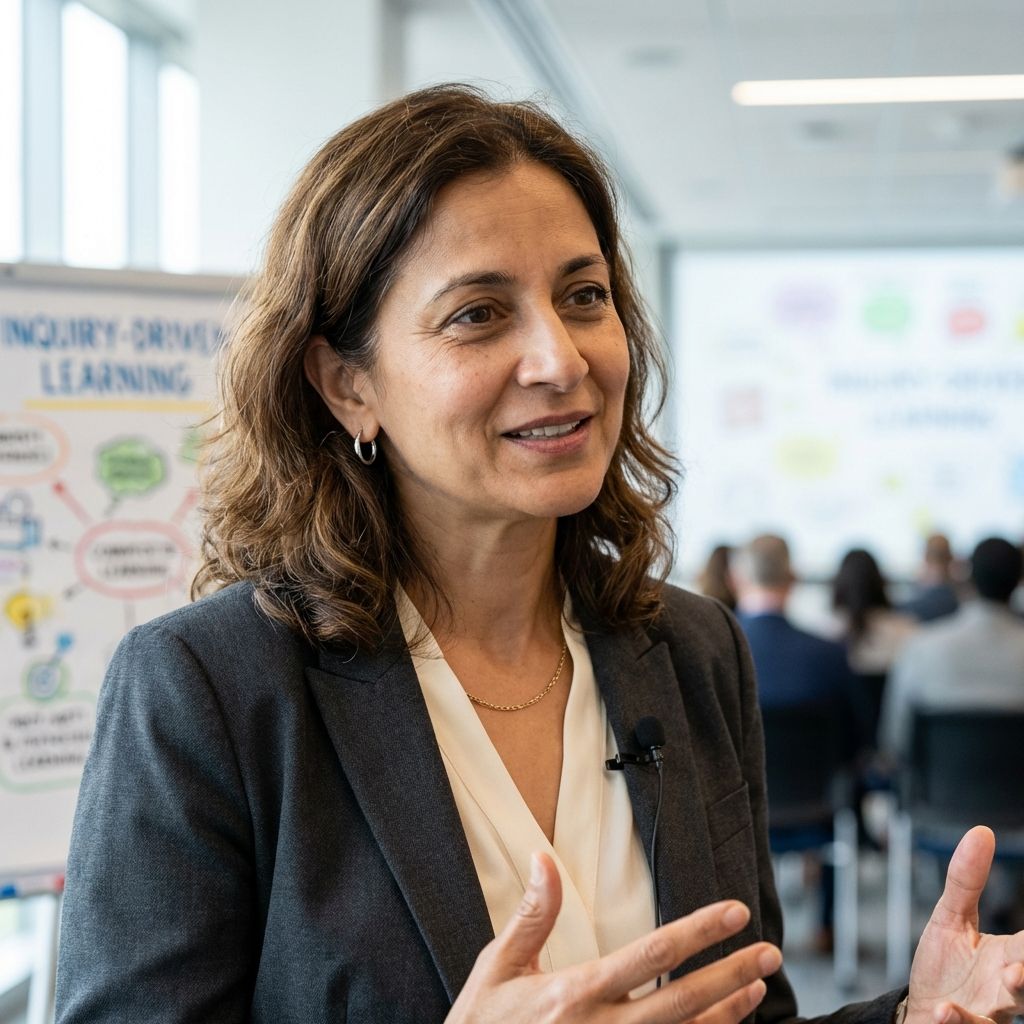
Every human has four endowments- self awareness, conscience, independent will and creative imagination. These give us the ultimate human freedom... The power to choose, to respond, to change.
About This Quote

Stephen R. Covey repeatedly framed his leadership and self-help teaching around what he called uniquely human “endowments” or capacities. In the late 1980s and early 1990s—especially in the wake of the success of *The 7 Habits of Highly Effective People*—Covey emphasized that effectiveness begins with inner character and the ability to act from principles rather than impulses or circumstances. The formulation of “four endowments” (self-awareness, conscience, independent will, and creative imagination) appears in his discussions of personal responsibility and proactive choice, often linked to his broader argument that people can choose their response even under constraint. This quote reflects that recurring theme in his talks and writings on freedom, agency, and change.
Interpretation
Covey’s claim is that human freedom is not primarily external (having no limits) but internal: the capacity to notice oneself (self-awareness), discern right from wrong (conscience), decide and commit (independent will), and envision alternatives (creative imagination). Together these faculties create a space between stimulus and response where a person can choose a principled action rather than react automatically. The quote’s emphasis on “respond” and “change” underscores a moral and practical optimism: individuals are not fixed by temperament, past experience, or environment. For Covey, this is the foundation of “proactivity”—the first habit—and the basis for personal growth, ethical leadership, and deliberate life design.
Variations
1) “Between stimulus and response, man has the freedom to choose.”
2) “We have four unique human endowments: self-awareness, conscience, independent will, and creative imagination.”
3) “They give us the ultimate human freedom—the power to choose, to respond, to change.”