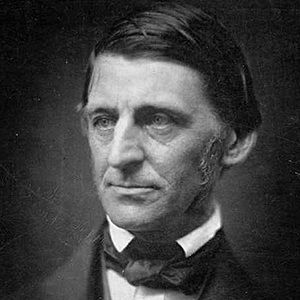
Our Federal Union! it must be preserved!
About This Quote

Andrew Jackson’s toast “Our Federal Union! it must be preserved!” is associated with the Nullification Crisis, when South Carolina asserted a state’s right to nullify federal tariffs (1832) and hinted at secession. At a Washington, D.C., Jefferson Day dinner in April 1830—attended by leading figures including Vice President John C. Calhoun, a key theorist of nullification—Jackson used the ceremonial toast to signal that the Union’s integrity outweighed sectional or state claims. The moment became emblematic of Jackson’s hard line against disunion and his willingness to use federal authority to enforce national law.
Interpretation
The toast compresses Jackson’s nationalism into a single imperative: the Union is not merely a compact of convenience but a political necessity that must endure. By framing preservation as a duty (“must”), Jackson elevates federal cohesion above partisan or regional grievances, implicitly rejecting doctrines that allow states to unmake federal law. The line’s force comes from its public, performative setting: a toast is both convivial and declarative, turning a social ritual into a constitutional warning. In later memory, the phrase stands as an early, widely cited presidential assertion that secessionist logic threatens the republic’s survival.
Variations
“Our Federal Union—it must be preserved.”
“Our Federal Union: It must and shall be preserved.”