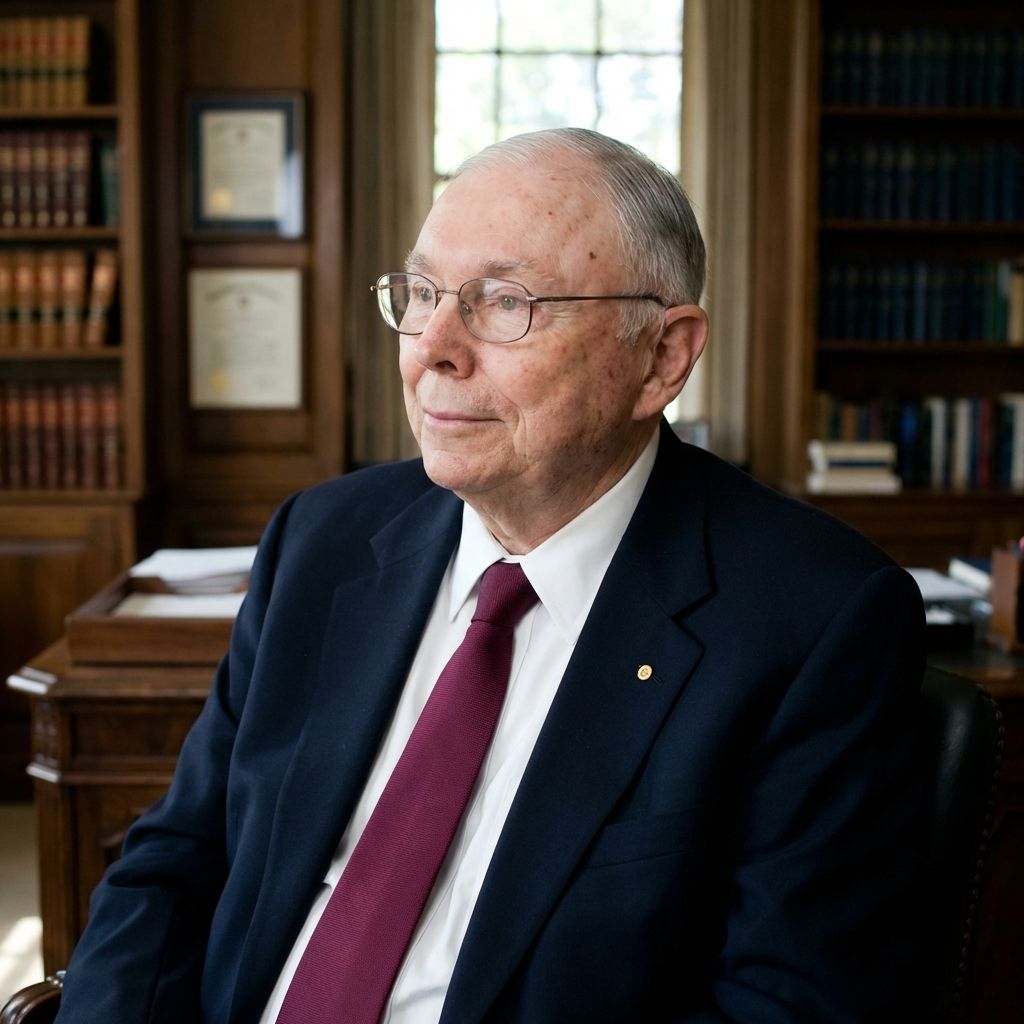
The fellow that has no money is poor. The fellow that has nothing but money is poorer still.
About This Quote

Billy Sunday (1862–1935), a former professional baseball player turned evangelist, became one of America’s most famous revival preachers in the early 20th century. His sermons regularly attacked vice and moral complacency and often contrasted material prosperity with spiritual well-being. This aphoristic line fits Sunday’s recurring theme that wealth is not a reliable measure of a person’s true condition: lacking money may be a hardship, but being defined solely by money signals a deeper poverty of character, purpose, or faith. The wording (“the fellow…”) matches his colloquial, punchy preaching style aimed at mass audiences in revival meetings.
Interpretation
The saying draws a distinction between economic poverty and existential or moral poverty. Someone without money is “poor” in the ordinary, material sense; but someone who possesses “nothing but money” is “poorer still” because their life is narrowed to a single value—wealth—at the expense of relationships, virtue, meaning, or spiritual life. Sunday’s formulation turns common assumptions upside down: abundance can mask deprivation, and the most serious lack is not financial but human. The quote functions as a critique of materialism and a reminder that money is a tool rather than a sufficient end in itself.
Variations
1) “The man who has no money is poor; the man who has nothing but money is poorer.”
2) “He that has no money is poor; he that has nothing but money is poorer still.”