Be of good cheer about death and know this as a truth — that no evil can happen to a good man, either in life or after death.
About This Quote
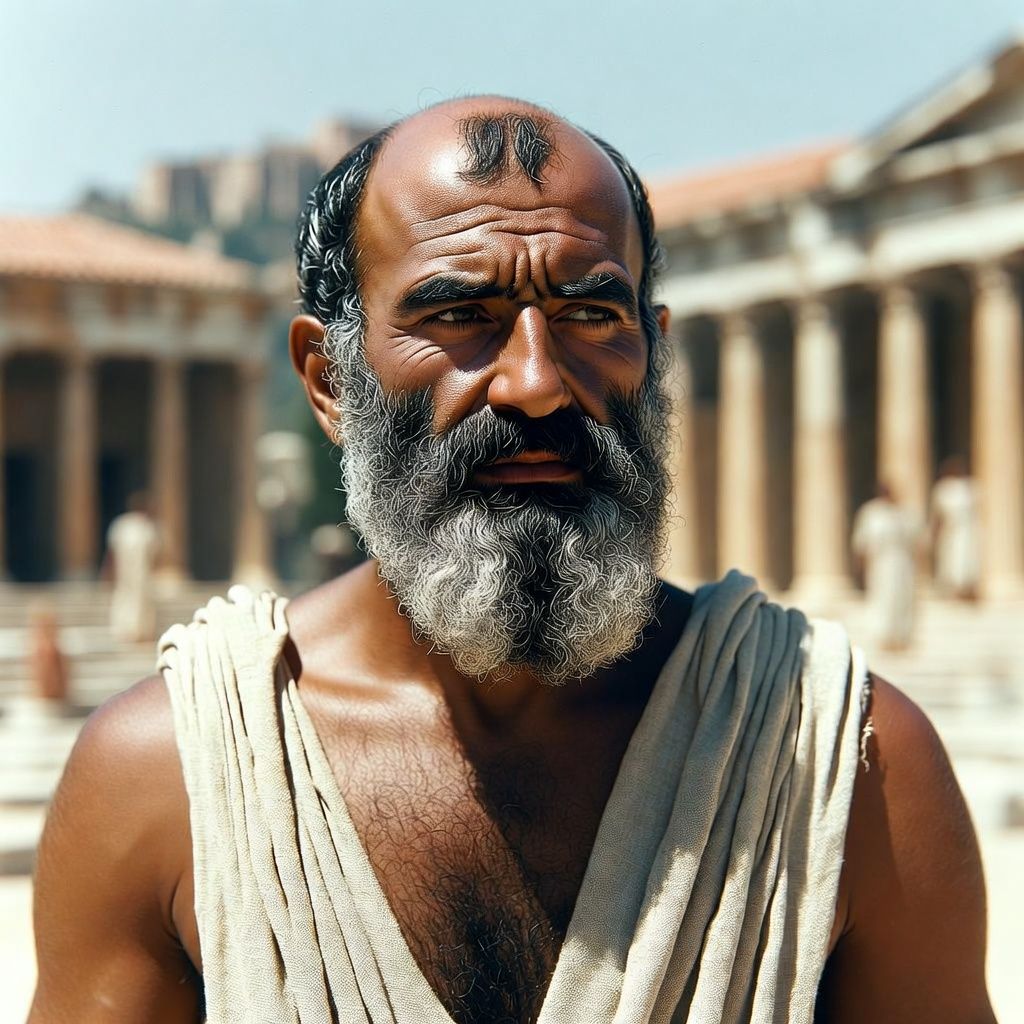
This sentiment is attributed to Socrates in Plato’s account of his trial in Athens in 399 BCE. After being convicted on charges of impiety and corrupting the youth, Socrates addresses the jurors in a closing speech. Rather than pleading for his life, he argues that death should not be feared: it is either a dreamless sleep or a migration of the soul to another place. In that setting, he maintains that a truly good person cannot be harmed in any ultimate sense, because moral integrity is the highest good and lies beyond the reach of fortune, persecution, or even execution.
Interpretation
The quote expresses a core Socratic-Platonic ethical claim: external events (poverty, disgrace, bodily suffering, death) are not genuine “evils” compared with moral wrongdoing. If goodness consists in the state of one’s soul—justice, wisdom, and virtue—then death cannot damage what matters most. The line also reframes courage as rational clarity: cheerfulness about death follows from recognizing that the worst harm is becoming unjust, not losing life. In the trial context, it functions as both consolation and rebuke, implying that the jurors can kill him but cannot make him wretched unless he abandons virtue.
Variations
1) “Be of good cheer about death, and know of a certainty, that no evil can happen to a good man, either in life or after death.”
2) “No evil can happen to a good man, either in life or after death.”
Source
Plato, Apology, 41c–41d (Socrates’ closing remarks after conviction).