Gratitude unlocks the fullness of life. It turns what we have into enough, and more. It turns denial into acceptance, chaos to order, confusion to clarity. It can turn a meal into a feast, a house into a home, a stranger into a friend. Gratitude makes sense of our past, brings peace for today and creates a vision for tomorrow.
About This Quote
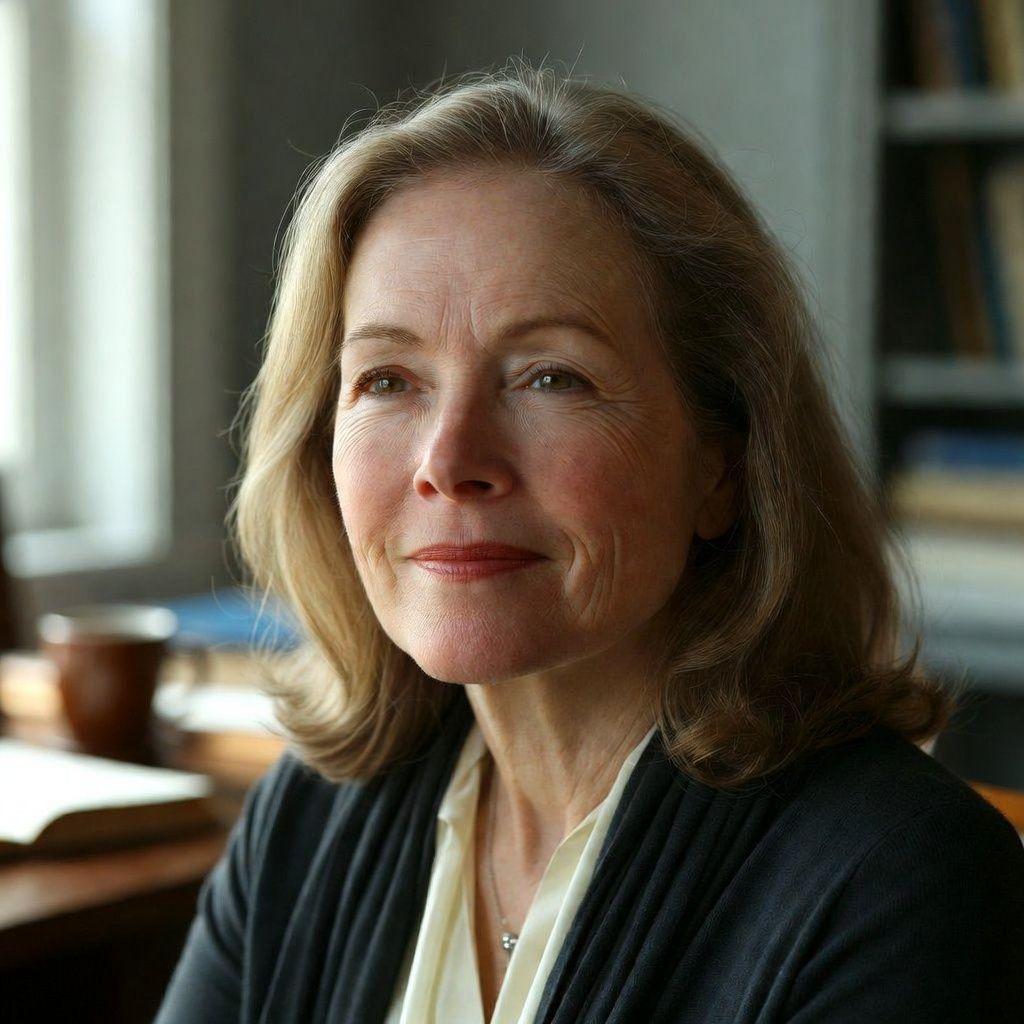
Melody Beattie (b. 1948) is best known for her writings on recovery, codependency, and daily spiritual practice, shaped by her own experiences with addiction and recovery communities. This quotation circulates widely in gratitude and self-help contexts and reflects the late-20th-century recovery movement’s emphasis on reframing experience through practices like gratitude lists, acceptance, and present-focused living. The language—turning “denial into acceptance” and “chaos to order”—echoes therapeutic and 12-step vocabularies that treat gratitude not as mere politeness but as a disciplined perspective shift. While commonly attributed to Beattie, the precise publication venue is often not supplied in popular repostings.
Interpretation
The passage presents gratitude as an active, transformative lens rather than a passive feeling. By “unlock[ing] the fullness of life,” gratitude is framed as a key that changes one’s relationship to circumstances: it converts scarcity into sufficiency (“what we have into enough”), emotional resistance into consent (“denial into acceptance”), and mental disarray into intelligibility (“confusion to clarity”). The domestic images—meal/feast, house/home—suggest that gratitude intensifies meaning without requiring external change. The final triad links time: gratitude re-narrates the past, steadies the present, and makes the future imaginable, implying that thankfulness is a practice of coherence and hope.