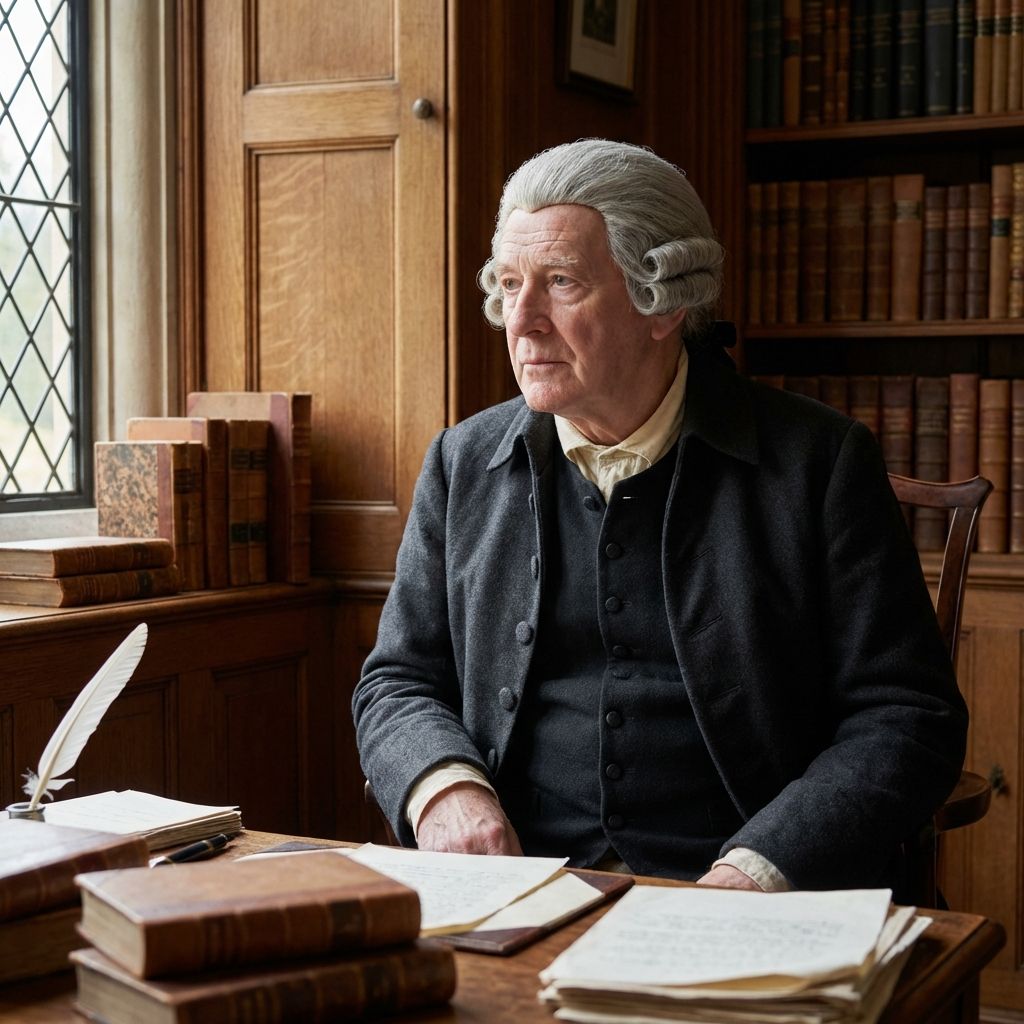
The great questions of the day will not be settled by means of speeches and majority decisions but by iron and blood.
About This Quote

Bismarck’s “iron and blood” remark is associated with his first major address as Prussian minister-president during the constitutional crisis over army reform. In 1862 the Prussian parliament (Landtag) resisted funding King Wilhelm I’s military reorganization, and Bismarck was appointed to break the deadlock and secure the reforms. Speaking to a budget committee of the Landtag in Berlin (30 September 1862), he argued that Germany’s national questions would be decided not by parliamentary speeches or votes but by force—reflecting his Realpolitik and his belief that Prussia’s strength and unification aims depended on military power. The phrase later became emblematic of his approach to German unification.
Interpretation
The statement dismisses the idea that the era’s defining political issues—especially German unification and Prussia’s position in Europe—could be resolved through liberal parliamentary debate and majority rule. “Iron and blood” functions as a blunt metonym for armaments, discipline, and war: the hard instruments of state power. Bismarck’s point is not merely bellicose; it is a claim about how sovereignty and national outcomes were actually determined in mid-19th-century Europe. The line crystallizes Realpolitik’s prioritization of power, coercion, and strategic calculation over moral argument or procedural legitimacy, and it foreshadows the wars (1864, 1866, 1870–71) through which unification was achieved.
Variations
1) “Not by speeches and majority decisions will the great questions of the day be decided—… but by iron and blood.”
2) “The great questions of the time are not decided by speeches and majority votes, but by blood and iron.”
3) “The great questions of the day will not be decided by speeches and votes, but by iron and blood.”
Source
Otto von Bismarck, address to the Prussian Landtag budget committee (Berlin), 30 September 1862 (commonly known as the “Blood and Iron” speech).