Great things are done when men and mountains meet;
This is not done by jostling in the street.
About This Quote
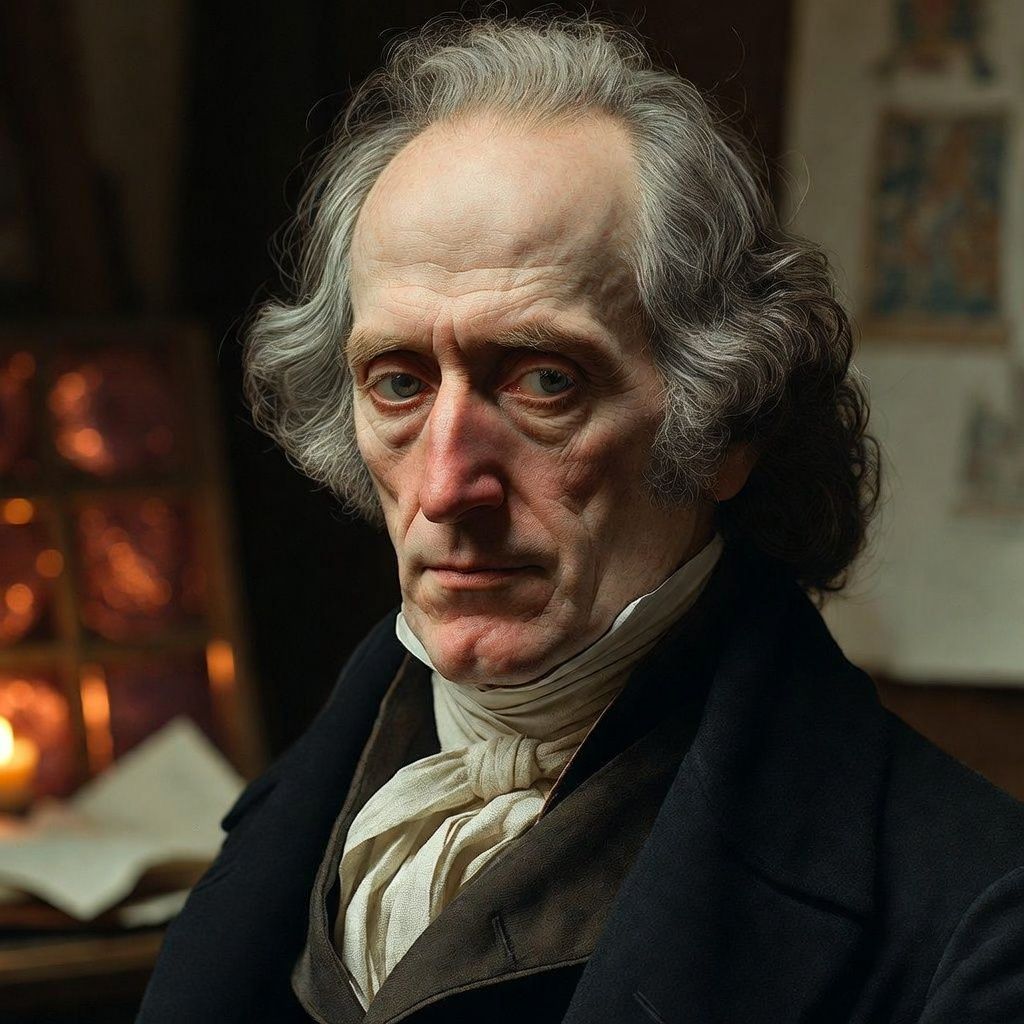
These lines are commonly attributed to William Blake, but they do not appear in Blake’s poems, notebooks, letters, or engraved books as preserved in standard scholarly editions. The couplet circulates widely in quotation anthologies and on the internet, often without any bibliographic citation, and is frequently presented as a standalone epigram. Because no reliable contemporary publication, manuscript witness, or early attribution to Blake is identifiable, the safest historical context is that this is a later, likely spurious attribution rather than a documented remark from a specific moment in Blake’s life or work.
Interpretation
The saying contrasts transformative accomplishment with mere activity. “Men and mountains meet” implies that greatness emerges when human will confronts formidable obstacles—nature, difficulty, or the limits of the self—rather than from the friction of everyday social life (“jostling in the street”), which can be busy yet unproductive. Read as an aphorism, it praises purposeful struggle and elevation over distraction, crowd-mentality, and trivial competition. Whether or not Blake wrote it, the sentiment aligns with Romantic-era ideals that associate sublimity and moral or imaginative enlargement with encounters beyond the ordinary routines of commerce and city life.