Heaven,
I’m in heaven,
And my heart beats so that I can hardly speak;
And I seem to find the happiness I seek
When we’re out together dancing
Cheek to cheek.
I’m in heaven,
And my heart beats so that I can hardly speak;
And I seem to find the happiness I seek
When we’re out together dancing
Cheek to cheek.
About This Quote
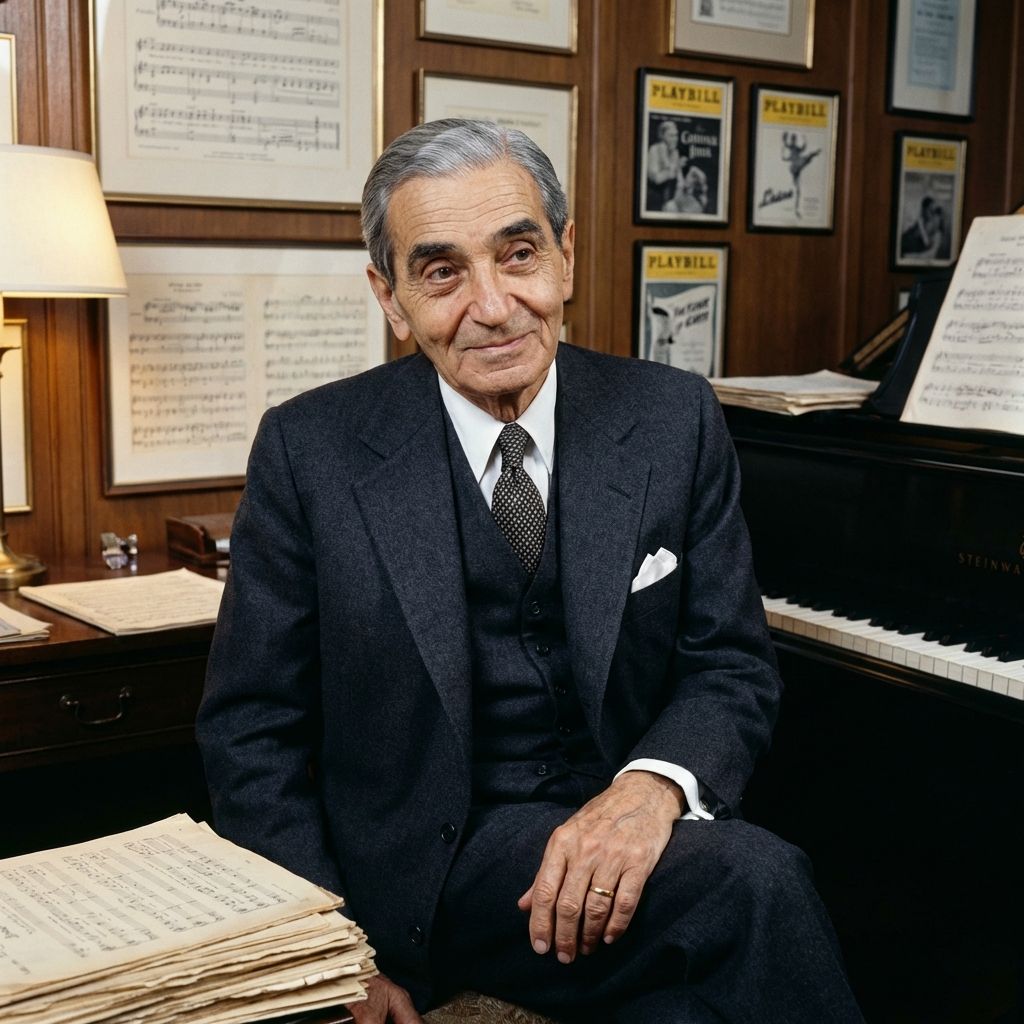
These lines are the opening of Irving Berlin’s song “Cheek to Cheek,” written for the RKO film Top Hat (1935) and introduced on screen by Fred Astaire (with Ginger Rogers as his dance partner). Berlin composed the number as a romantic dance song tailored to Astaire’s elegant style, and it quickly became one of the signature standards of the Great American Songbook. In the film, the lyric accompanies a pivotal ballroom sequence that crystallizes the couple’s growing intimacy and the escapist glamour of 1930s Hollywood musicals during the Great Depression era.
Interpretation
The speaker describes love as a kind of transcendence: ordinary experience is lifted into “heaven” through the physical closeness and synchronized motion of dancing. Berlin’s language is deliberately simple and conversational (“I can hardly speak”), emphasizing breathless immediacy rather than grand rhetoric. The repeated “heaven” functions both as hyperbole and as a musical hook, while “cheek to cheek” captures a socially recognizable image of intimacy that remains decorous. The quote’s enduring appeal lies in how it equates happiness with shared rhythm and proximity—romance expressed through movement as much as through words.
Source
Irving Berlin, “Cheek to Cheek,” written for the film Top Hat (RKO Radio Pictures), 1935.