Hipsters, flipsters, and finger-poppin’ daddies,
Knock me your lobes,
I came to lay Caesar out,
Not to hip you to him.
The bad jazz that a cat blows
Wails long after he’s cut out,
The groovy is often stashed with their frames.
Knock me your lobes,
I came to lay Caesar out,
Not to hip you to him.
The bad jazz that a cat blows
Wails long after he’s cut out,
The groovy is often stashed with their frames.
About This Quote
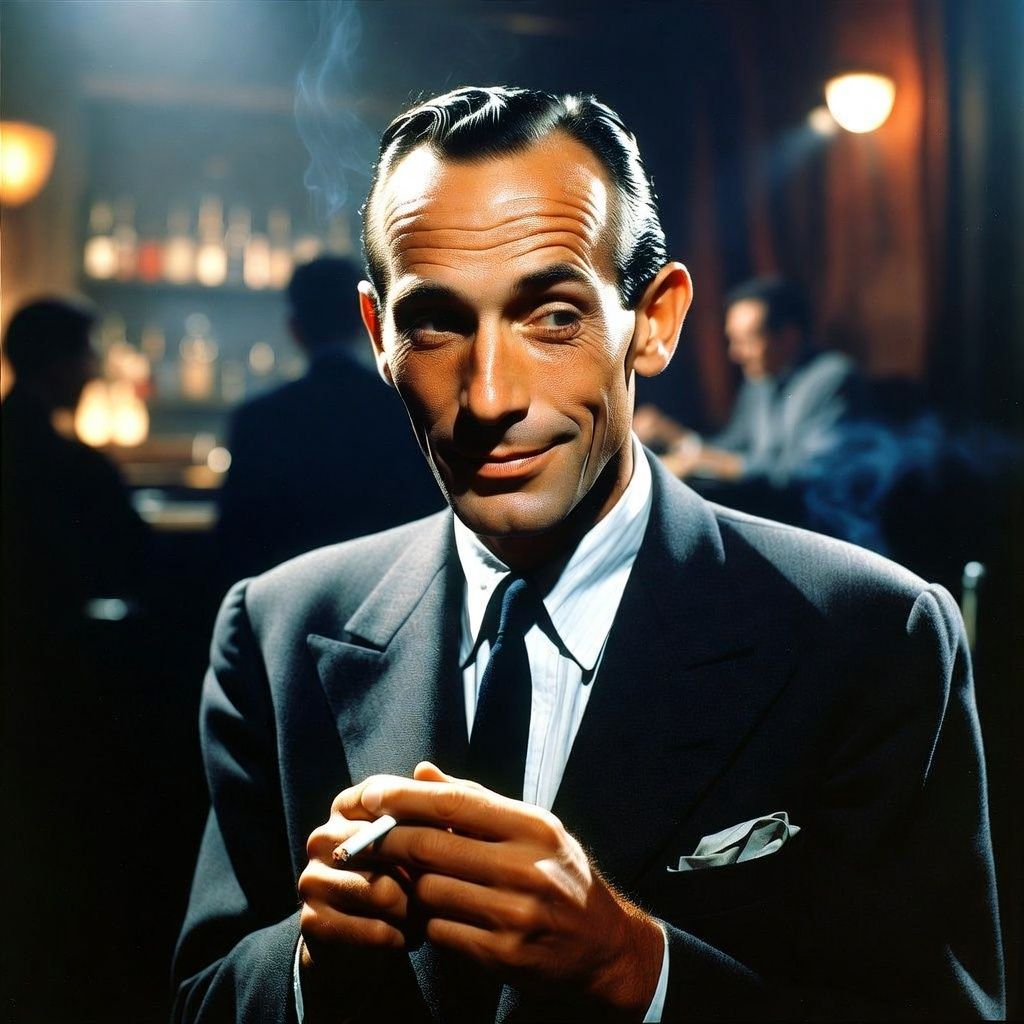
These lines come from Lord Buckley’s hipster-jive retelling of Shakespeare’s Julius Caesar, a signature routine he performed in nightclubs and on recordings in the early 1950s. Buckley (1906–1960) became known for translating canonical texts into beat-era slang, mixing jazz cadence, comic monologue, and mock-sermon delivery. In this piece he reworks Mark Antony’s funeral oration (“Friends, Romans, countrymen…”) into the idiom of contemporary jazz culture—“hipsters,” “cats,” and “blows”—turning a famous scene of political rhetoric into a commentary on reputation, legacy, and the stories told after a public figure’s death.
Interpretation
Buckley’s parody keeps the structure of Antony’s speech while shifting its social register. The opening address (“Hipsters, flipsters…”) replaces civic community with a jazz-world audience, implying that power and persuasion operate in any tribe with its own language. The contrast between “bad jazz” that “wails long after he’s cut out” and “the groovy” being “stashed with their frames” echoes the idea that people are remembered more for their faults than their virtues. By recasting Shakespeare’s moral about posthumous reputation in jive talk, Buckley both democratizes the classic text and satirizes how public narratives distort the dead.