It is impossible, in our condition of Society, not to be sometimes a Snob.
About This Quote
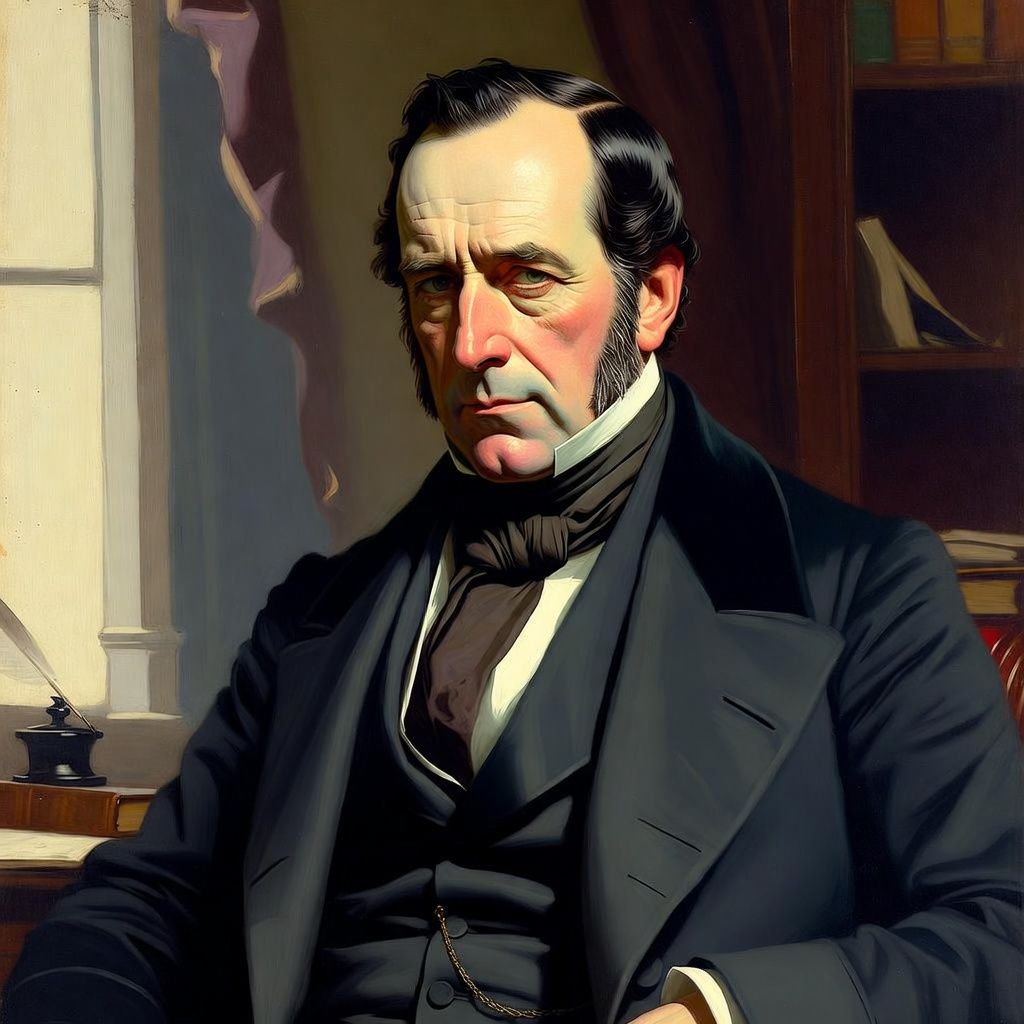
Thackeray’s remark belongs to his satirical exploration of social pretension in Victorian Britain, a theme he pursued most explicitly in his series of essays on “snobs.” Writing in a period marked by sharp class distinctions and intense anxiety about rank, manners, and “respectability,” Thackeray treated snobbery less as a rare vice than as a pervasive social habit. His point is that in a society structured by status and deference, even well-meaning people are drawn into admiring, imitating, or flattering those above them, and into looking down on those below. The line functions as a wry, self-implicating generalization rather than a moralistic denunciation.
Interpretation
The sentence reframes “snob” from a fixed identity (“a snob” as a type of person) into a recurring behavior produced by social conditions. Thackeray suggests that snobbery is not merely personal vanity but a systemic effect of hierarchical society: when status is socially rewarded, people will sometimes perform it—seeking proximity to prestige, adopting fashionable opinions, or valuing others by rank. The irony is that the admission is universal (“impossible…not to be sometimes”), which both softens and sharpens the critique: it invites self-recognition while implying that moral improvement requires changing habits of valuation, not just condemning a few obvious offenders.