It’ll be the ballot or the bullet. It’ll be liberty or it’ll be death.
About This Quote
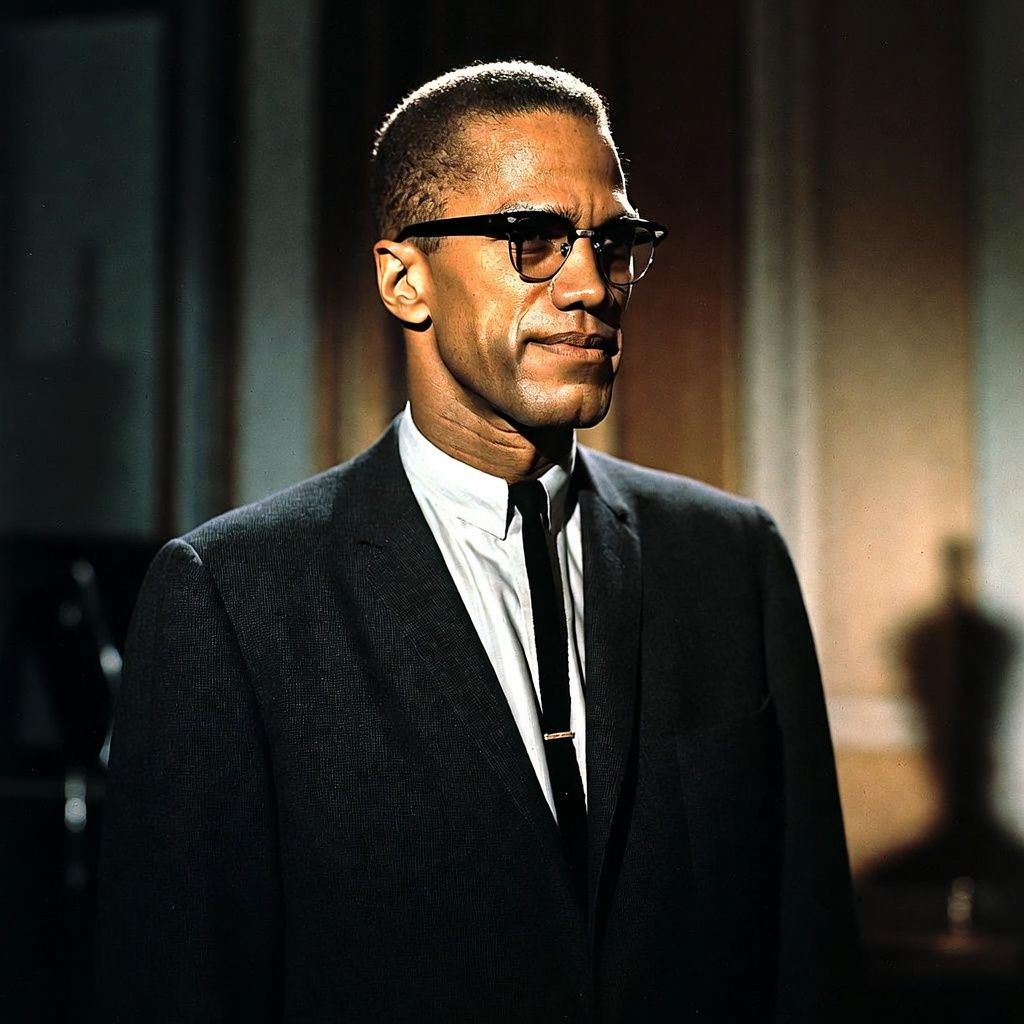
Malcolm X delivered the phrase in the midst of escalating civil-rights संघर्ष and growing Black political militancy in 1964, after his break with the Nation of Islam and during his turn toward broader Black nationalism. In his April 3, 1964 speech “The Ballot or the Bullet,” given in Cleveland, he urged African Americans to use voting power strategically and independently—pressuring both major parties and local officials to deliver concrete civil-rights gains. The stark alternative (“ballot” versus “bullet”) framed political participation as the preferred route, while warning that continued denial of rights could provoke violent backlash. The line echoes earlier revolutionary rhetoric, intensifying the urgency of the moment.
Interpretation
The quote compresses Malcolm X’s argument into a moral and political ultimatum: freedom is nonnegotiable, and the means of securing it will be determined by whether democratic institutions actually respond. “Ballot” signifies disciplined, collective political action—voting, organizing, and leveraging electoral power to obtain rights and protection. “Bullet” signals the possibility of armed self-defense or violent upheaval if lawful avenues are blocked. By pairing “liberty” with “death,” Malcolm casts the struggle as existential rather than merely reformist, insisting that a people denied basic rights cannot be expected to remain indefinitely patient. The rhetoric is designed to shock, mobilize, and clarify stakes.
Source
Malcolm X, “The Ballot or the Bullet,” speech delivered at Cory Methodist Church, Cleveland, Ohio, April 3, 1964.