Jerusalem the golden, with milk and honey blest,
Beneath thy contemplation sink heart and voice oppressed.
Beneath thy contemplation sink heart and voice oppressed.
About This Quote
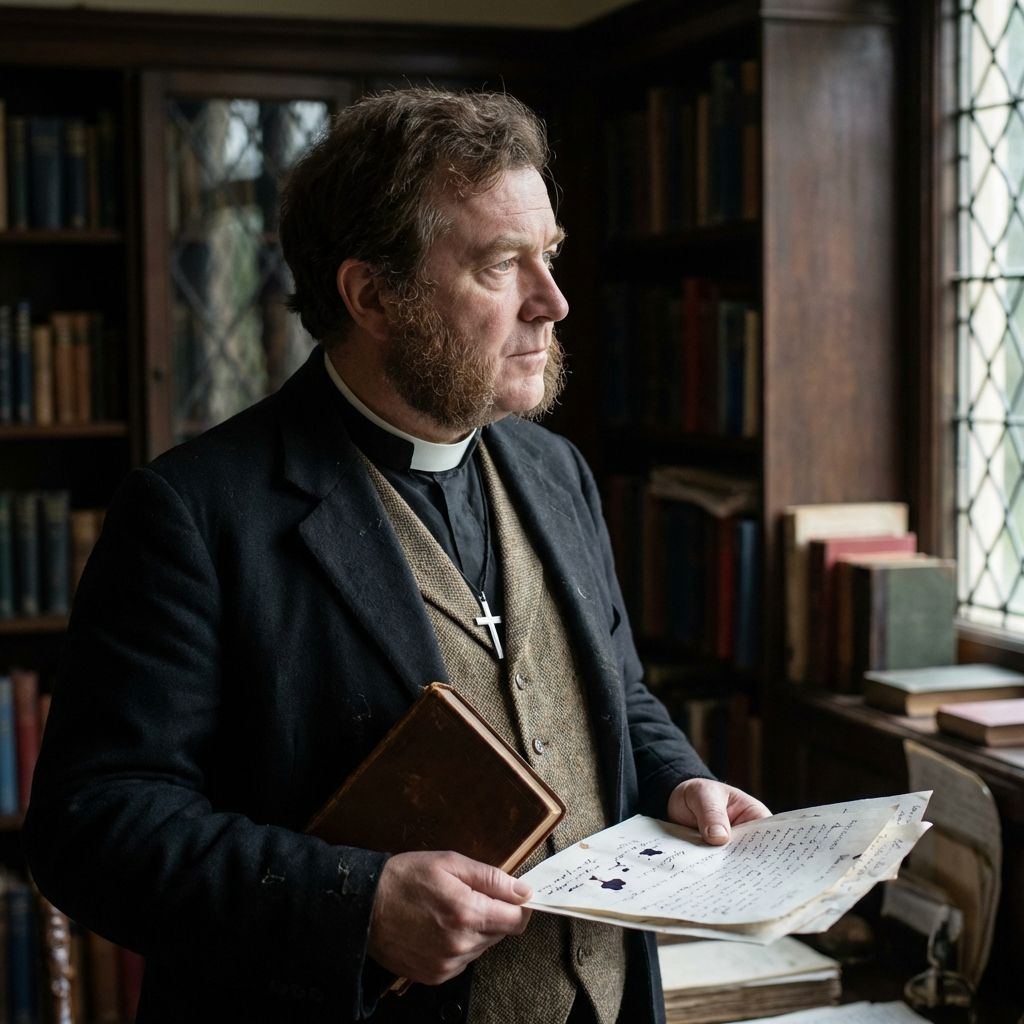
These lines open John Mason Neale’s English hymn “Jerusalem the Golden,” a Victorian-era translation/adaptation from the Latin poem “De Contemptu Mundi” by the 12th‑century monk Bernard of Cluny. Neale (1818–1866), an Anglican priest and leading figure in the Oxford Movement’s revival of ancient hymnody, published many such renderings to bring medieval devotional poetry into English worship. The hymn meditates on the heavenly Jerusalem of Christian eschatological hope, drawing on biblical imagery (notably the “land flowing with milk and honey”) to express longing for the perfected city of God and the soul’s homesickness for heaven.
Interpretation
The speaker addresses “Jerusalem” not as the earthly city but as the heavenly Jerusalem—an emblem of ultimate rest, purity, and communion with God. “Golden” evokes the radiant, jewel-like city of Revelation, while “milk and honey blest” borrows the language of promised fulfillment and abundance. The second line suggests that even contemplating such glory overwhelms ordinary human expression: “heart and voice” are “oppressed,” not by despair but by awe and yearning that exceed language. The couplet thus frames the hymn’s central tension—life’s present exile and sorrow set against an almost unbearable desire for the homeland of the redeemed.
Source
John Mason Neale, “Jerusalem the Golden” (hymn), an English translation/adaptation from Bernard of Cluny’s Latin poem “De Contemptu Mundi,” first published in Neale’s collection Hymns of the Mediæval Church (London: J. Masters, 1851).