I know you are here to kill me. Shoot, coward, you are only going to kill a man.
About This Quote
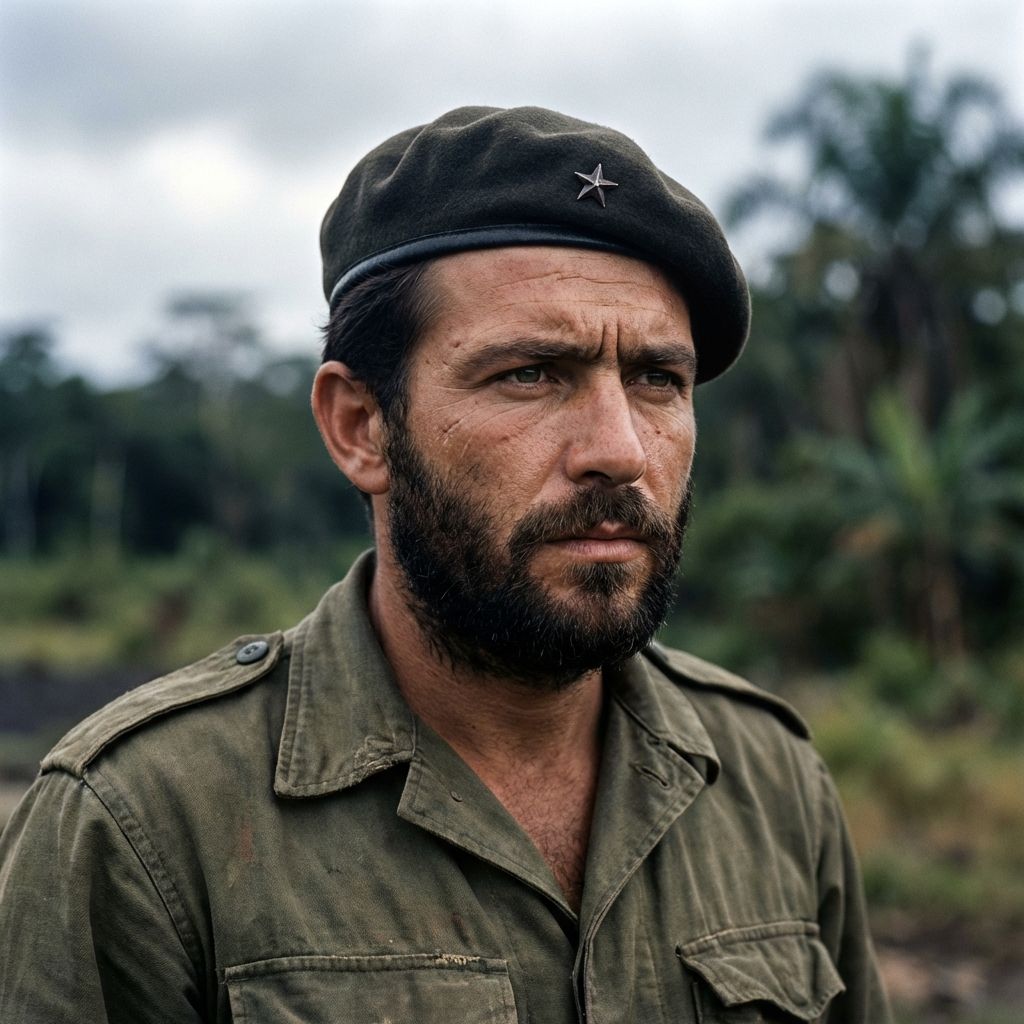
This line is commonly attributed to Ernesto “Che” Guevara at the moment of his execution in Bolivia on 9 October 1967. After being captured the previous day by the Bolivian army (with U.S. intelligence support) near La Higuera, Guevara was held in a small schoolhouse. Accounts describe an order coming from higher authorities to kill him rather than put him on trial. The words are typically reported as addressed to the executioner, often identified as Bolivian sergeant Mario Terán, immediately before the fatal shots were fired. The quotation circulates widely in memoirs and secondary retellings of Guevara’s last hours, though exact wording varies by source and translation.
Interpretation
The statement frames death as a political act rather than a personal defeat. By calling the shooter a “coward” and reducing the act to “only going to kill a man,” Guevara asserts moral superiority and implies that the ideas and movement he represents cannot be eliminated by killing his body. The line also performs stoic defiance: he acknowledges the reality of execution while refusing to plead, thereby turning the execution into a moment of rhetorical resistance. In the mythology of revolutionary martyrdom, the phrase helps cast Guevara as fearless and principled at the end, reinforcing the notion that repression can create symbols more enduring than the individuals it destroys.
Variations
1) “I know you’ve come to kill me. Shoot, coward—you are only going to kill a man.”
2) “Shoot, coward! You are only going to kill a man.”
3) “I know you are here to kill me. Shoot. You are only going to kill a man.”