Knowledge is like money: to be of value it must circulate, and in circulating it can increase in quantity and, hopefully, in value.
About This Quote
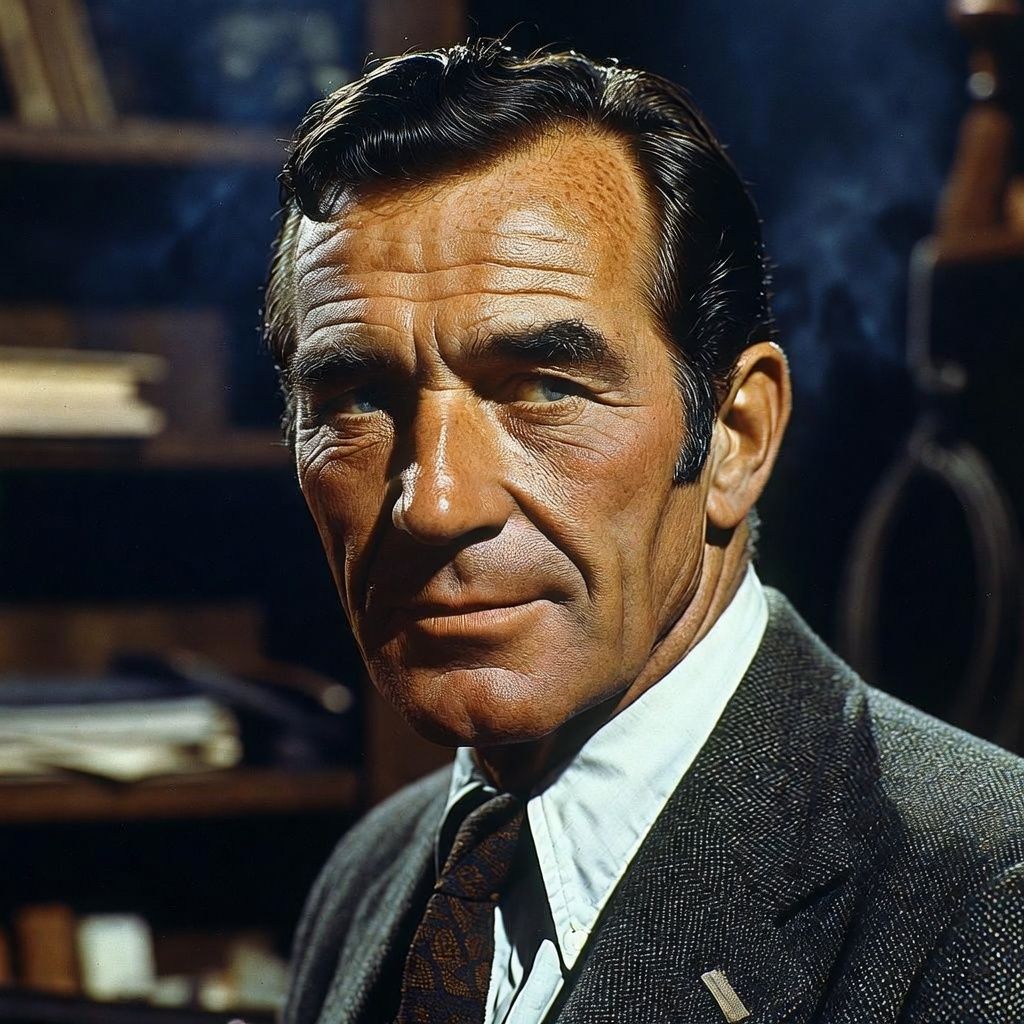
Louis L’Amour (1908–1988), best known for his Western novels, frequently wrote and spoke about self-education, reading, and the practical uses of learning. This remark reflects a recurring theme in his nonfiction reflections: knowledge is not merely something to hoard privately but something that gains power when applied, tested, and shared. L’Amour’s own life—largely self-taught, widely traveled, and shaped by varied jobs and experiences—reinforced his belief that learning grows through exchange and use, much as capital grows through investment and circulation rather than being locked away.
Interpretation
The comparison of knowledge to money emphasizes utility over possession. Like currency, knowledge has limited value if it is kept inert; it becomes valuable when put into motion—used in work, conversation, teaching, problem-solving, or creative practice. Circulation also implies feedback: when ideas move between people and contexts, they are refined, corrected, and expanded, which can “increase in quantity” (more information, more connections) and “in value” (better judgment, deeper understanding). The quote thus argues for active learning and intellectual generosity, suggesting that sharing and applying what one knows is how both individuals and communities become wiser.