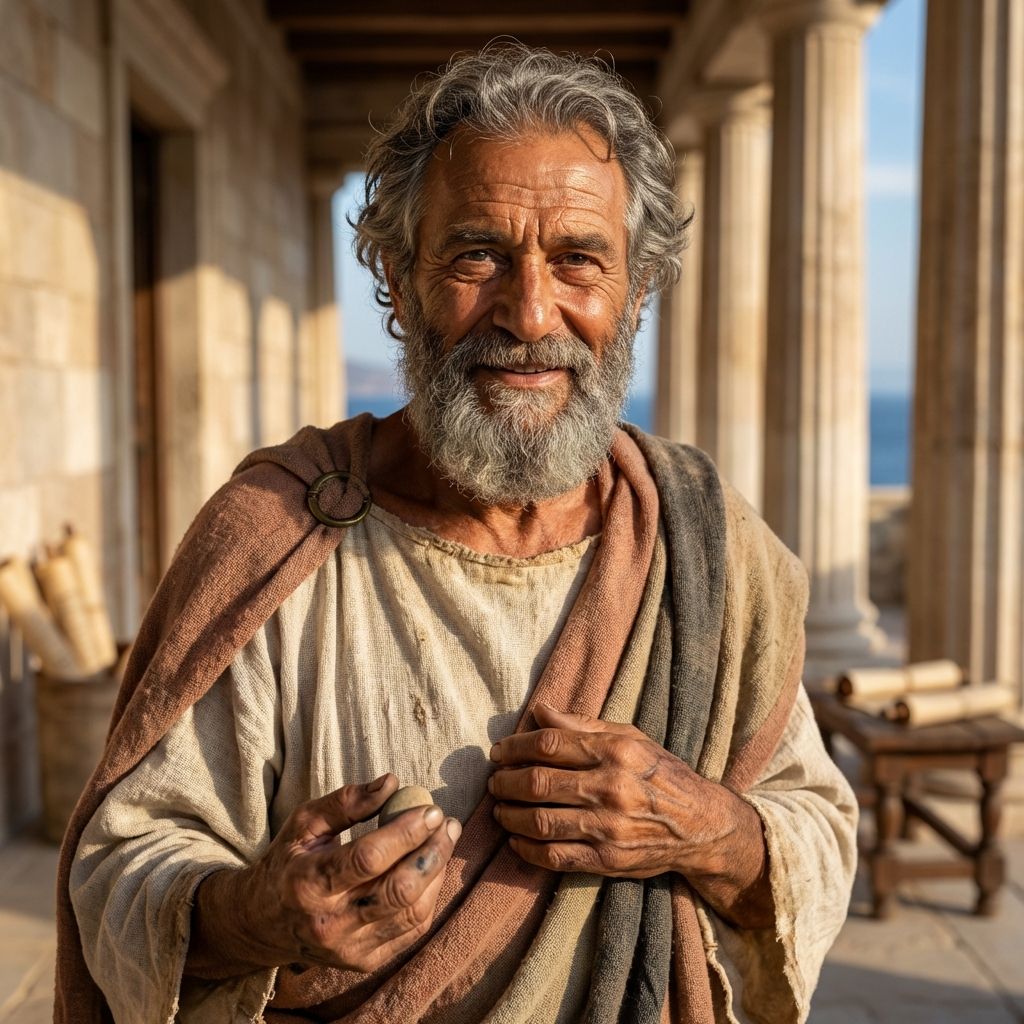
My life has been the poem I would have writ,
But I could not both live and utter it.
About This Quote

Thoreau’s couplet is generally traced to his journals and is often treated as a compact statement of his lifelong tension between experience and expression. It reflects the period in which he was consciously shaping a life of deliberate practice—walking, observing, keeping notebooks, and testing ethical independence—while also feeling the limits of turning lived immediacy into finished literary “utterance.” The lines resonate with his habit of using the journal as a workshop for thought: a place where he could register experience in near-real time, even as he recognized that the most authentic “poem” might be the life itself rather than the polished work produced afterward.
Interpretation
The speaker claims that the true artwork is not a written poem but a life lived with intention. Yet the second line admits a cost: to “utter” (fully articulate) experience requires distance, time, and craft, which can pull one away from the very living that gives the poem its substance. The couplet therefore frames art and life as competing claims on attention. In Thoreau’s terms, it also suggests an ethics of authenticity: the highest form of expression may be enacted rather than narrated, and the most meaningful “writing” may be the choices, disciplines, and perceptions that shape one’s days.