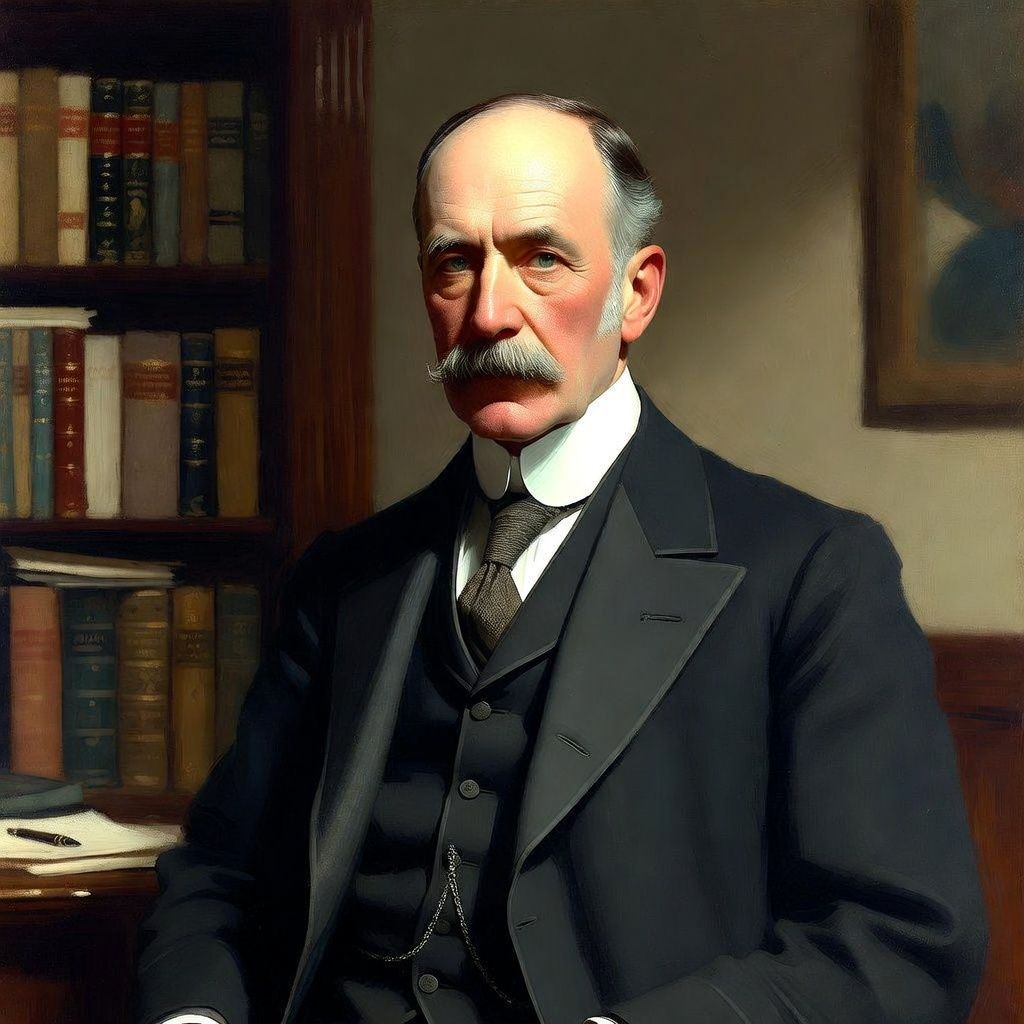
Lost wealth may be replaced by industry, lost knowledge by study, lost health by temperance or medicine, but lost time is gone forever.
About This Quote
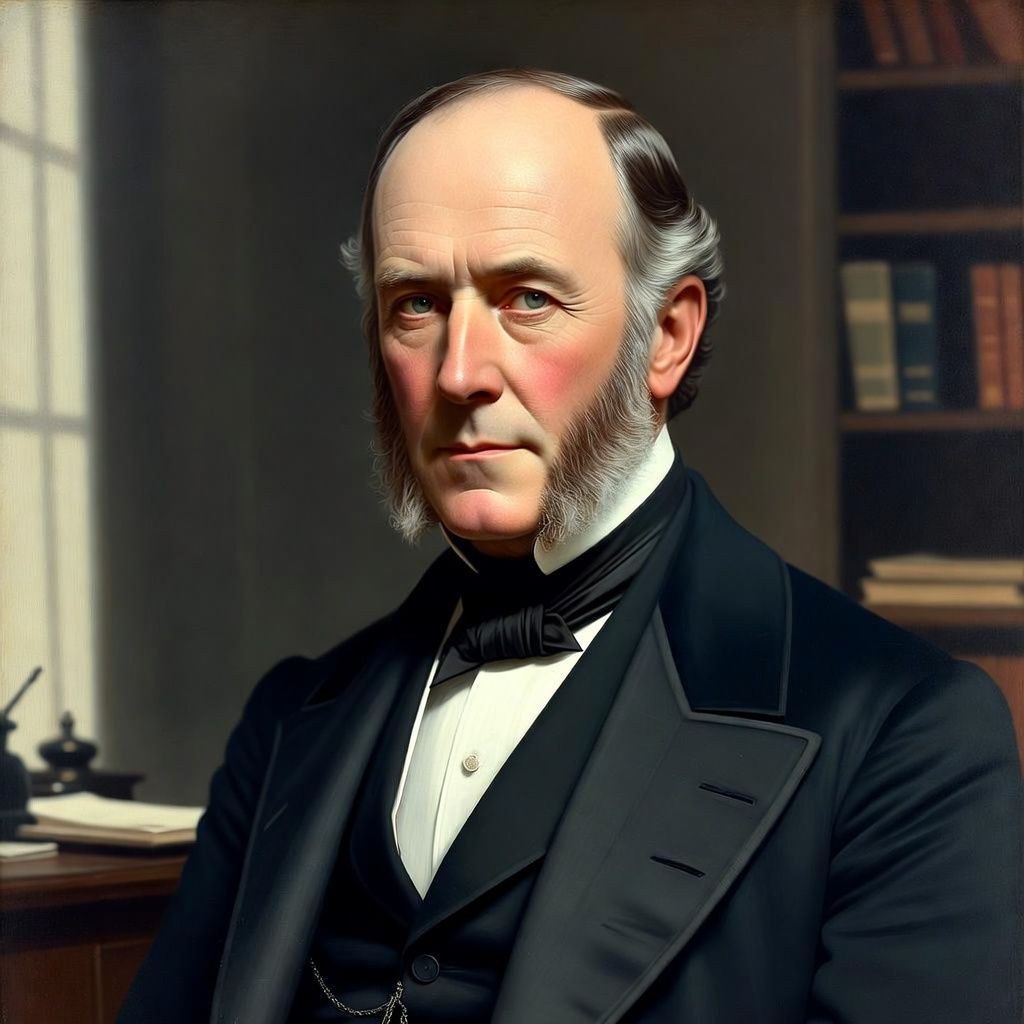
Samuel Smiles (1812–1904), the Scottish author and social reformer, became famous in the Victorian era for didactic works promoting self-help, thrift, and moral discipline. This maxim reflects the mid-19th-century culture of “improvement” literature aimed at clerks, artisans, and the rising middle class, urging readers to treat time as a moral and economic resource. Smiles repeatedly contrasted recoverable losses (money, knowledge, even health) with the irreversibility of wasted hours, aligning with his broader argument that character and steady habits—industry, study, temperance—shape individual advancement more reliably than luck or birth.
Interpretation
The sentence ranks common human losses by their reversibility: wealth can be regained through work, ignorance corrected through learning, and illness sometimes remedied through restraint or treatment. Time alone is nonrenewable; once spent, it cannot be reclaimed. Smiles uses this asymmetry to make punctuality and diligence not merely practical virtues but ethical ones: wasting time is uniquely tragic because it forecloses all future possibilities that time might have enabled. The quote also implies a program of self-cultivation—industry, study, temperance—suggesting that personal agency can repair many setbacks, except the one created by procrastination or idleness.