He loves his country best who strives to make it best.
About This Quote
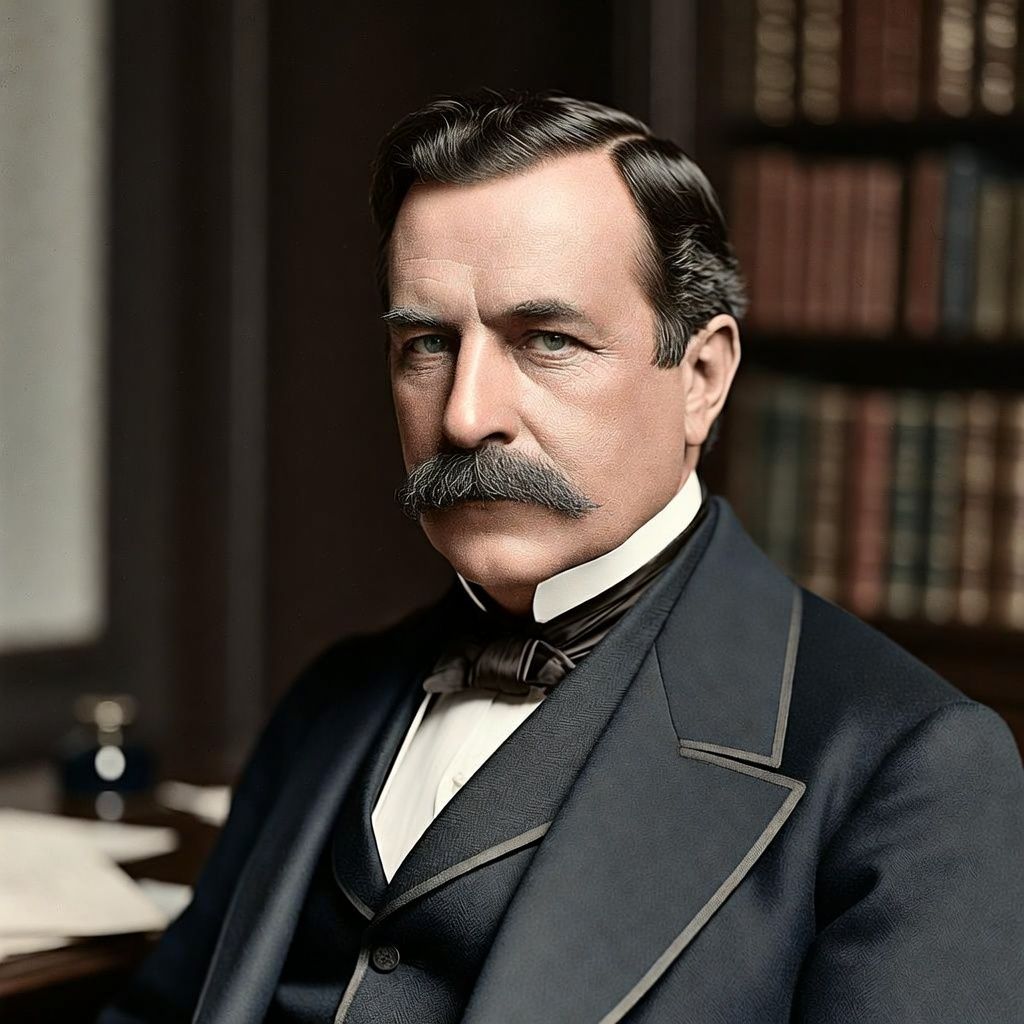
Robert G. Ingersoll (1833–1899), the famed American orator and “Great Agnostic,” frequently argued that patriotism should be measured by a citizen’s commitment to justice, reform, and the public good rather than by uncritical loyalty or martial enthusiasm. The sentiment in this line fits his broader post–Civil War lecture circuit, where he defended free thought, church–state separation, and humane social progress, and where he often criticized appeals to “patriotism” used to silence dissent. Ingersoll’s public addresses commonly framed love of country as an active, ethical duty—improving institutions and expanding liberty—rather than mere reverence for symbols or tradition.
Interpretation
The aphorism redefines patriotism as constructive responsibility: the “best” love of country is not passive admiration but sustained effort to improve the nation’s character and conditions. It implies that criticism, reform, and civic labor can be higher forms of loyalty than praise or conformity. The line also challenges the idea that dissent is unpatriotic; if the aim is to “make it best,” then confronting injustice and correcting failures become expressions of devotion. Ingersoll’s phrasing turns patriotism into a moral standard—measured by outcomes and principles—rather than a sentiment proved by slogans, deference, or hostility to outsiders.