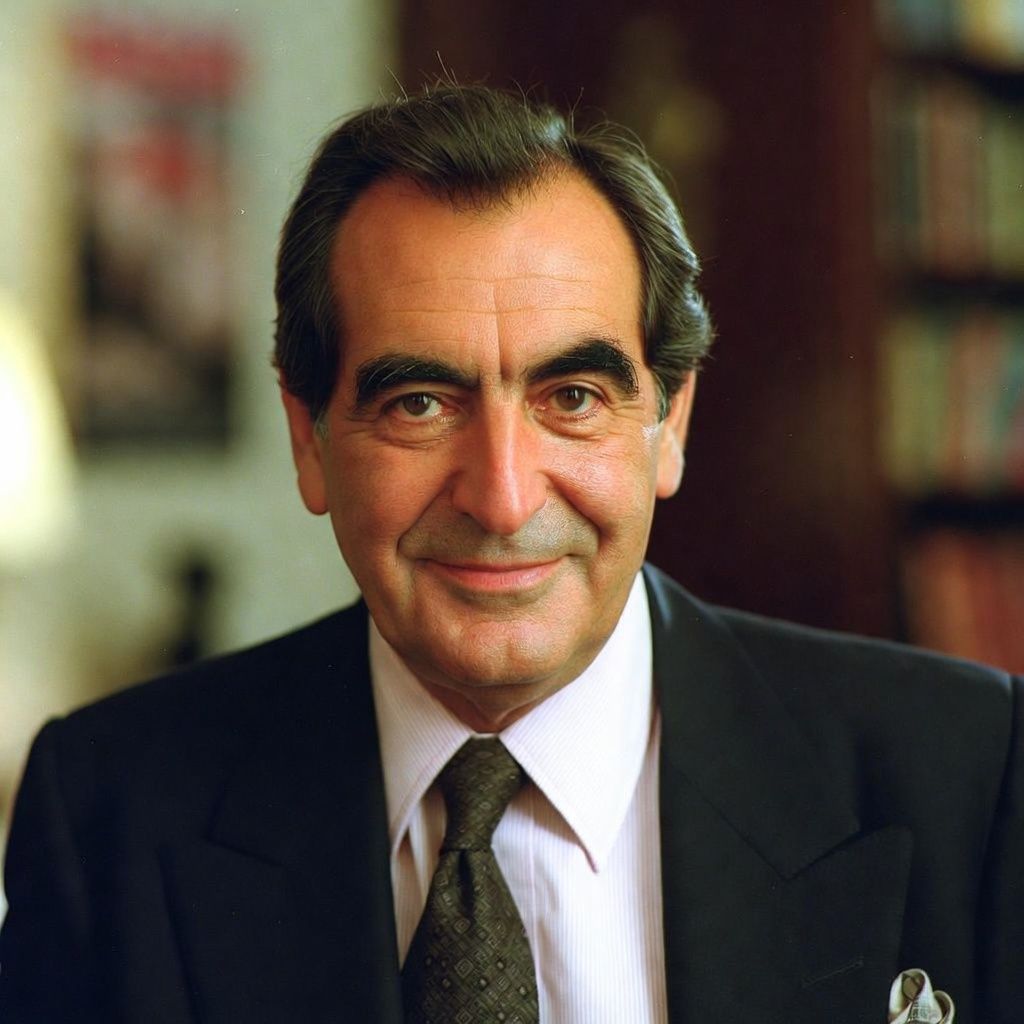
The natural liberty of man is to be free from any superior power on Earth, and not to be under the will or legislative authority of man, but only to have the law of nature for his rule.
About This Quote

This sentence is commonly attributed to Samuel Adams in the ideological ferment of the American Revolution, when colonial writers argued that Parliament had no rightful authority over the colonies without representation. The wording, however, closely tracks John Locke’s formulation of “natural liberty” in his Second Treatise of Government, and it often appears in later compilations of Revolutionary-era sentiments rather than in a clearly identifiable Adams document. In that setting, the claim functions as a philosophical premise for resistance: legitimate political authority must be grounded in natural law and consent, not in the mere fact of one people’s power to legislate for another.
Interpretation
The quote defines “natural liberty” as a pre-political condition: no person is born under another person’s arbitrary will. Law is legitimate only insofar as it reflects the “law of nature”—a moral order discoverable by reason—and protects equal freedom rather than replacing it with domination. Read politically, it denies that mere hierarchy or inherited sovereignty can justify rule; authority must be constrained and accountable. In Revolutionary usage, this kind of claim underwrote arguments against taxation and legislation imposed from afar, and more broadly it frames liberty not as license but as freedom under just, impersonal rules rather than personal command.