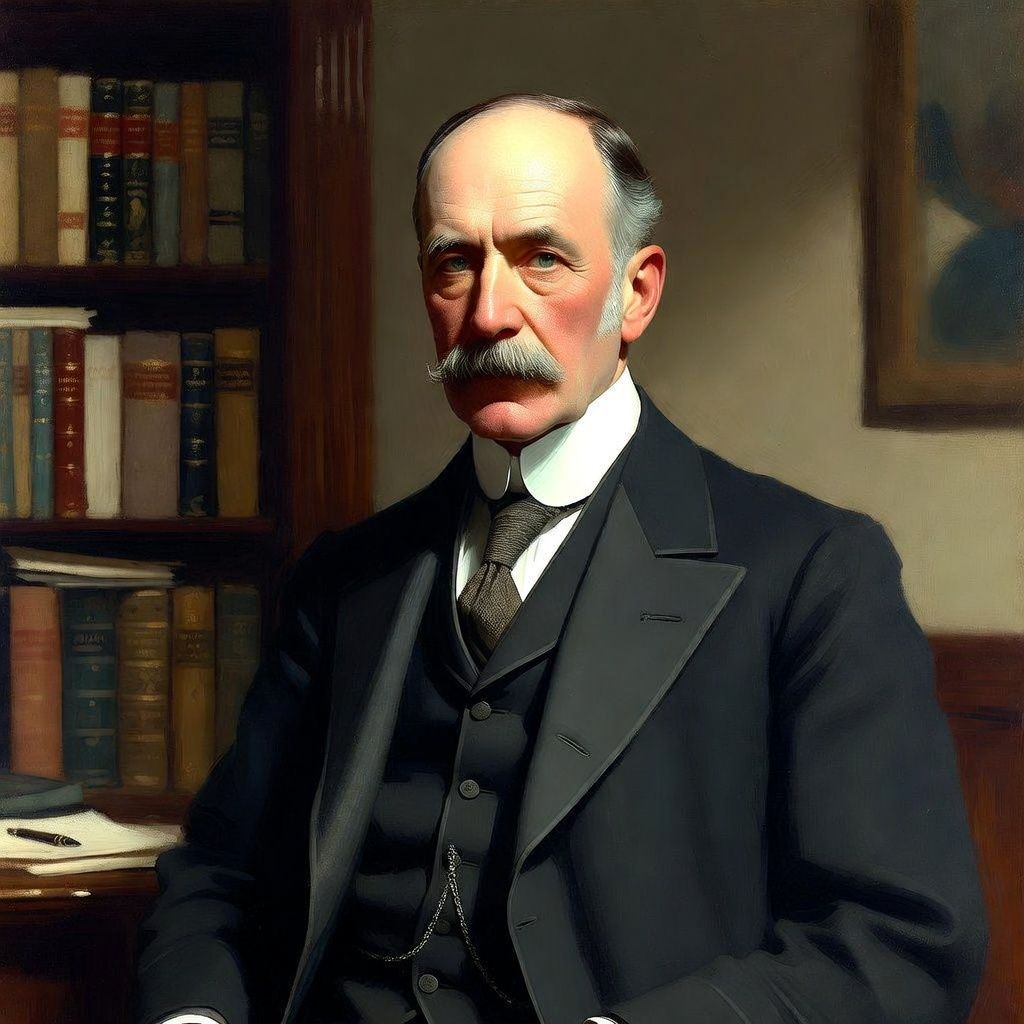
Nearly all men die of their remedies, and not of their illnesses.
About This Quote

Molière repeatedly satirized 17th‑century medicine—its purges, bleedings, and pedantic Latin—at a time when medical practice could be as dangerous as disease. The line is commonly attributed to him in English as a distilled epigram from this theatrical critique, especially associated with his comedies that mock physicians and hypochondria (notably the world of The Imaginary Invalid). In that milieu, “remedies” evokes aggressive standard treatments that often weakened patients. The remark reflects a broader early‑modern skepticism: people might survive an illness but be harmed by the cure, and medical authority could mask ignorance behind jargon and ritual.
Interpretation
The remark argues that human beings are frequently harmed less by disease than by the interventions meant to heal it—an early, comic formulation of what later medicine would call iatrogenic injury. In Molière’s satirical frame, “remedies” also stand for fashionable orthodoxies and expert posturing: treatments are administered because they are traditional or prestigious, not because they work. The line therefore criticizes blind trust in authority and the tendency to substitute ritualized action for genuine understanding. Its enduring appeal comes from its broad applicability: it can be read literally (dangerous medical practices) and metaphorically (solutions that worsen the problem).
Variations
“Most men die of their remedies, not of their diseases.”
“Almost all men die of their medicines, and not of their illnesses.”
“Nearly all men die of their medicines rather than their diseases.”