This new union–for up until now stage sets and costumes on the one hand and choreography on the other were only superficially linked–has given rise in [the ballet] Parade to a kind of "sur-realisme."
About This Quote
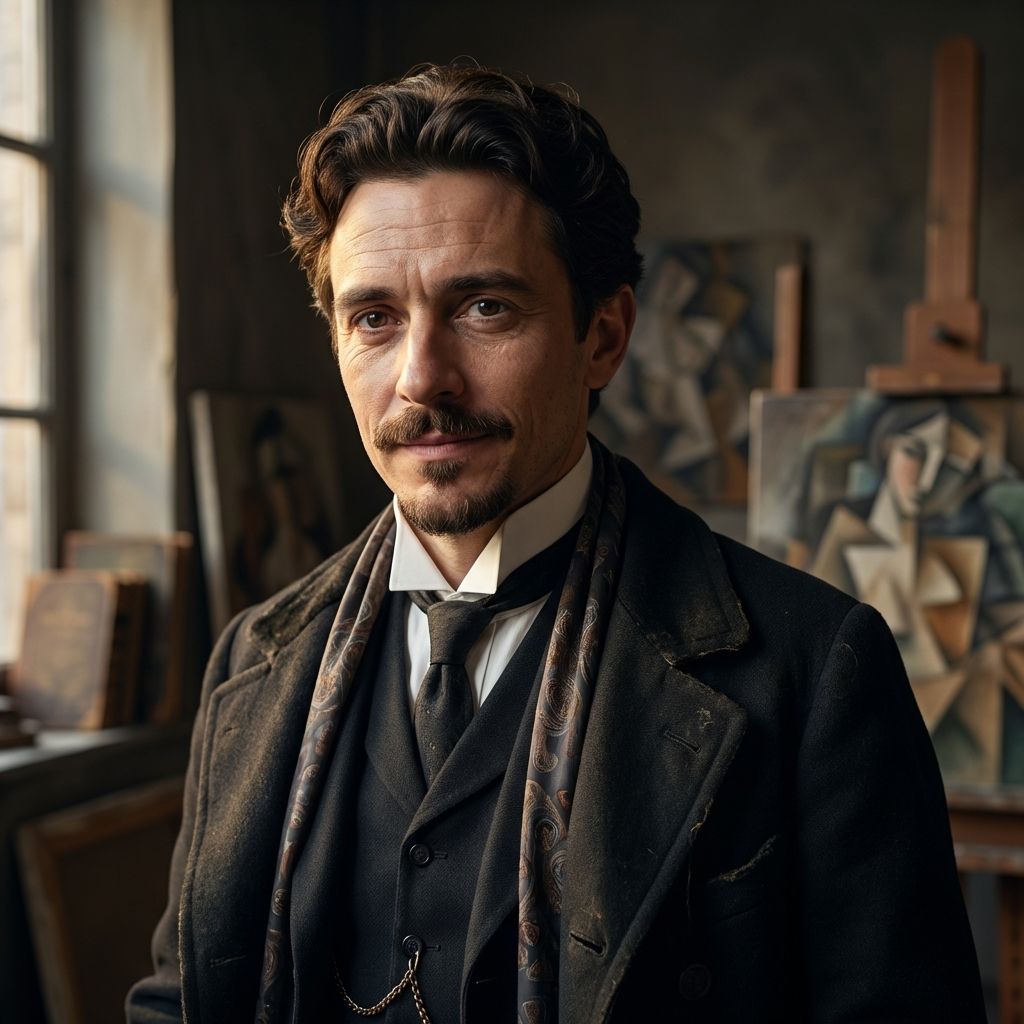
Guillaume Apollinaire wrote this in connection with the Ballets Russes production *Parade* (1917), a collaborative work created during World War I with music by Erik Satie, scenario by Jean Cocteau, choreography by Léonide Massine, and sets/costumes by Pablo Picasso. Apollinaire was closely involved in Paris’s avant‑garde circles and, after being wounded in 1916, remained an influential critic and champion of new art. In his program note/preface for *Parade*, he highlighted how the production fused visual design and choreography more integrally than earlier ballet practice. In describing the result as “sur-réalisme,” he helped introduce a term that soon became central to twentieth‑century art and literature.
Interpretation
Apollinaire argues that *Parade* achieves something beyond conventional theatrical “unity” by welding together elements that had often been merely adjacent: décor and costume as one domain, movement as another. The new synthesis produces an effect he labels “sur-réalisme”—not simply realism, but an intensified, transfigured reality generated by modern artistic means (cubist design, popular spectacle, abrupt juxtapositions). The remark is significant because it frames ballet as a laboratory for modernism, where collaboration across arts can create a new perceptual register. It also anticipates later Surrealism’s interest in unexpected conjunctions and the reconfiguration of everyday reality into something uncanny or heightened.
Source
Guillaume Apollinaire, program note/preface for the Ballets Russes ballet Parade (Paris premiere, Théâtre du Châtelet), 1917.