Nice work if you can get it,
And you can get it if you try.
And you can get it if you try.
About This Quote
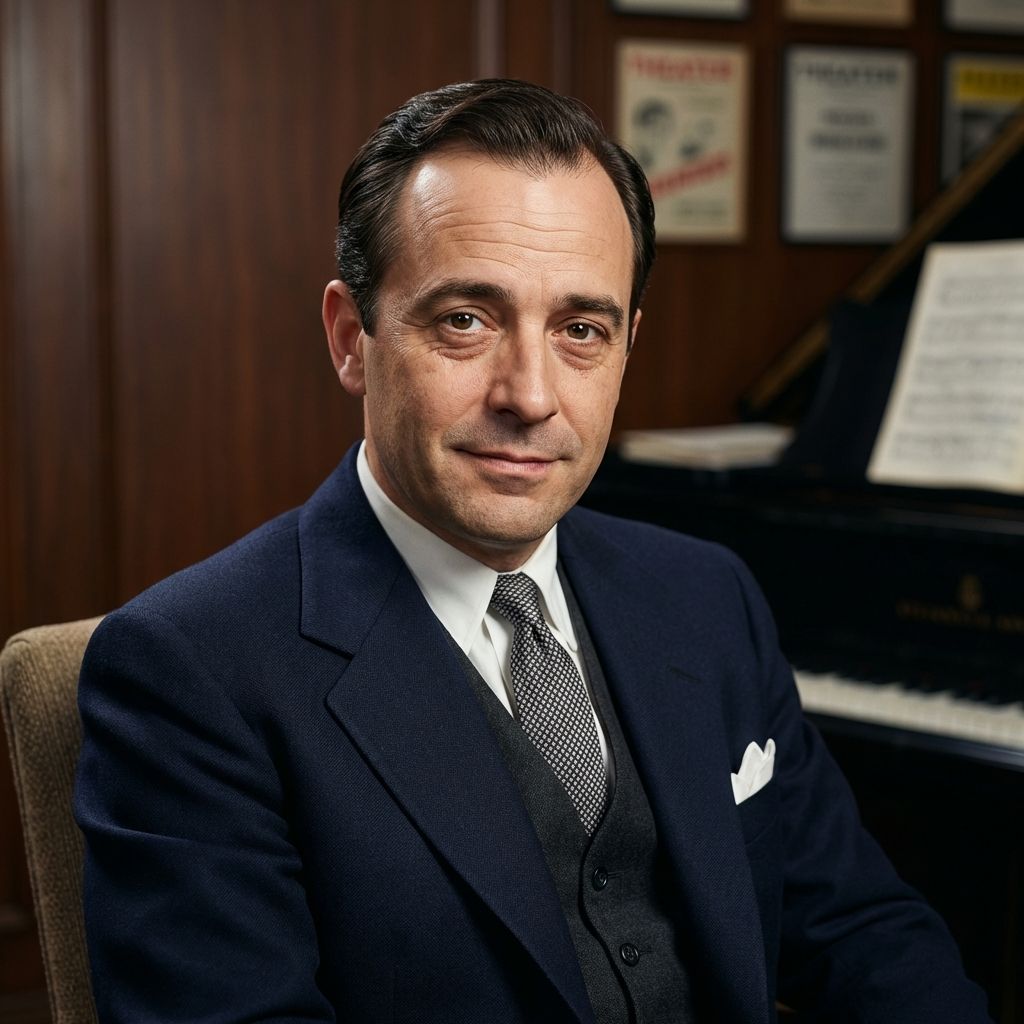
These lines are the opening couplet of the song “Nice Work If You Can Get It,” with lyrics by Ira Gershwin and music by George Gershwin. The song was written for the 1937 RKO film Shall We Dance, starring Fred Astaire and Ginger Rogers, and it quickly entered the popular American songbook. In the film, the number is performed by Astaire, and the lyric’s breezy optimism fits the movie’s sophisticated, Depression-era escapism: romance and success are imagined as attainable through charm, effort, and a bit of luck. The phrase itself became a widely quoted idiom for desirable employment or good fortune.
Interpretation
On the surface, the couplet is a jaunty encouragement: worthwhile rewards are “nice work,” and persistence (“if you try”) can secure them. Yet the lyric also plays with irony. “Nice work” suggests both pleasurable labor and the broader idea of an enviable situation—something many people want but not everyone can obtain. The conditional “if you can get it” acknowledges scarcity and chance, while the second line counters with American-style self-help confidence. The tension between luck and effort—between structural limits and personal striving—gives the couplet its lasting bite as both motivational slogan and wry comment on opportunity.
Variations
“Nice work if you can get it / And if you get it, won’t you tell me how?”
Source
“Nice Work If You Can Get It,” song (lyrics Ira Gershwin; music George Gershwin), written for the film Shall We Dance (RKO Radio Pictures), 1937.