There is no greater agony than bearing an untold story inside you.
About This Quote
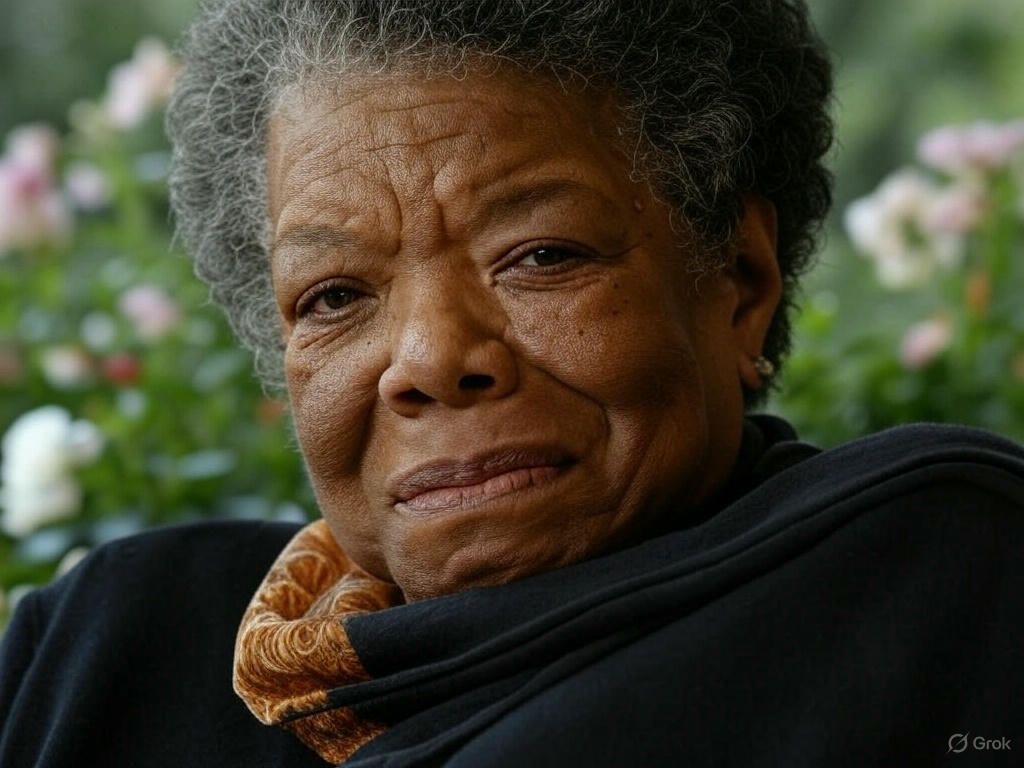
Maya Angelou’s line is widely attributed to her first autobiography, written out of her long commitment to turning personal and collective trauma into art. Angelou had experienced childhood sexual abuse, years of near-muteness, and later a life of performance, activism, and writing; her work repeatedly returns to the costs of silence and the necessity of testimony. In the late 1960s she was encouraged to write her life story, and the resulting memoir frames storytelling as survival and self-reclamation. The quote is commonly cited in discussions of memoir, creative writing, and social witness as a distilled statement of Angelou’s belief that unspoken experience can become a form of inner suffering.
Interpretation
The “untold story” suggests more than a private anecdote: it can be trauma, truth, identity, or a hard-won insight that remains unexpressed. Angelou casts silence as an active burden—something carried—so the “agony” is psychological and moral, the pain of being unable or unwilling to give one’s experience shape and voice. The line also implies an ethical dimension: stories withheld can isolate the self and deprive others of recognition, warning, or solidarity. In Angelou’s broader oeuvre, telling the story is not mere confession but transformation—turning suffering into language, and language into agency.
Source
Maya Angelou, *I Know Why the Caged Bird Sings* (1969).