Nobody grows old by merely living a number of years; people grow old by deserting their ideals. Years may wrinkle the skin, but to give up enthusiasm wrinkles the soul.
About This Quote
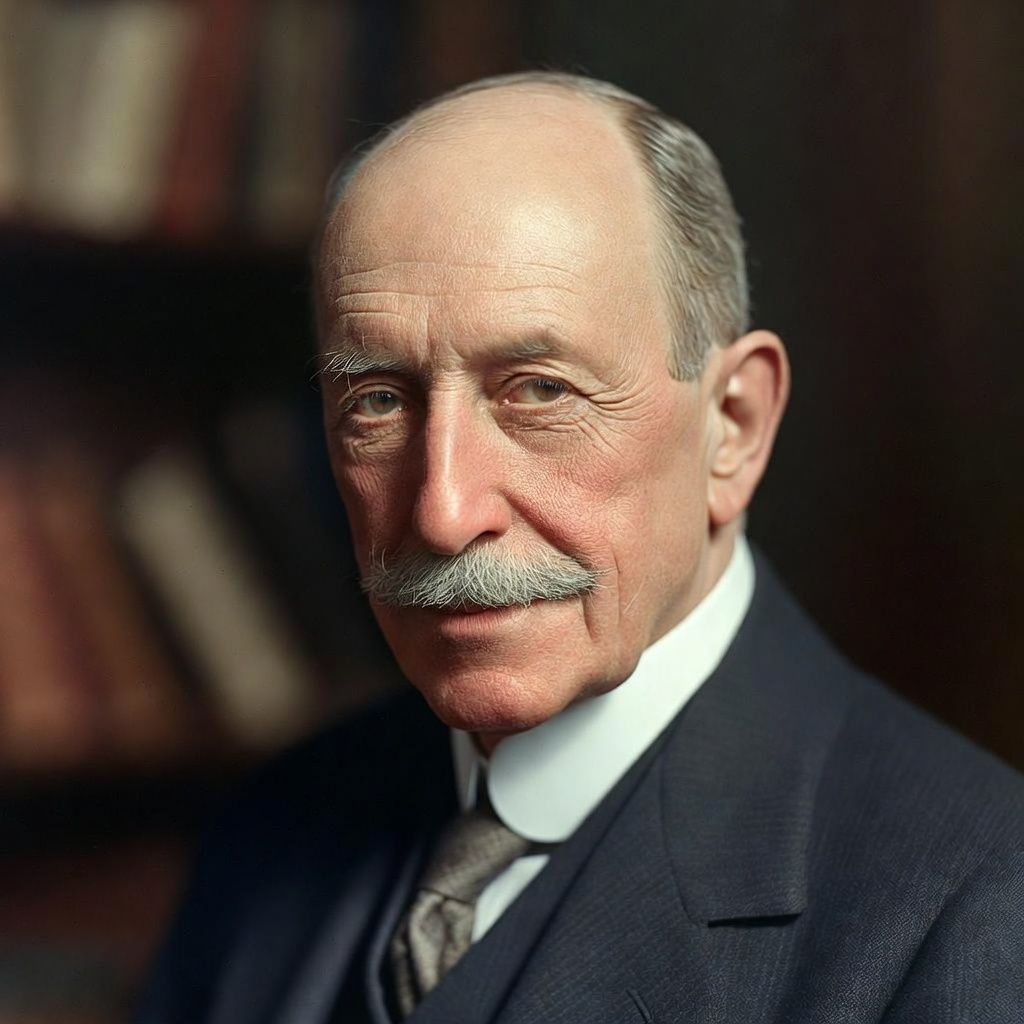
This sentiment is associated with Samuel Ullman’s prose-poem “Youth,” a short inspirational meditation written in the early 20th century and circulated widely in the United States. The piece became especially famous decades later when it was championed and frequently quoted by Gen. Douglas MacArthur, who kept a copy and helped popularize it in speeches and publications. In that setting—amid wartime and postwar rhetoric about morale, character, and resilience—the lines were often presented as a moral antidote to cynicism and fatigue, emphasizing that “youth” is a matter of spirit rather than chronology.
Interpretation
Ullman contrasts chronological age with a moral and psychological kind of aging. The passage argues that what truly makes a person “old” is not time but the abandonment of ideals—curiosity, hope, and a forward-looking sense of purpose. Physical aging is acknowledged as inevitable (“Years may wrinkle the skin”), but the deeper danger is spiritual fatigue: cynicism, resignation, and the loss of enthusiasm (“wrinkles the soul”). The quote’s enduring appeal lies in its motivational reframing of aging as a choice about attitude and values, urging readers to preserve aspiration and inner vitality even as the body changes.