If nominated, I will not run if elected, I will not serve.
About This Quote
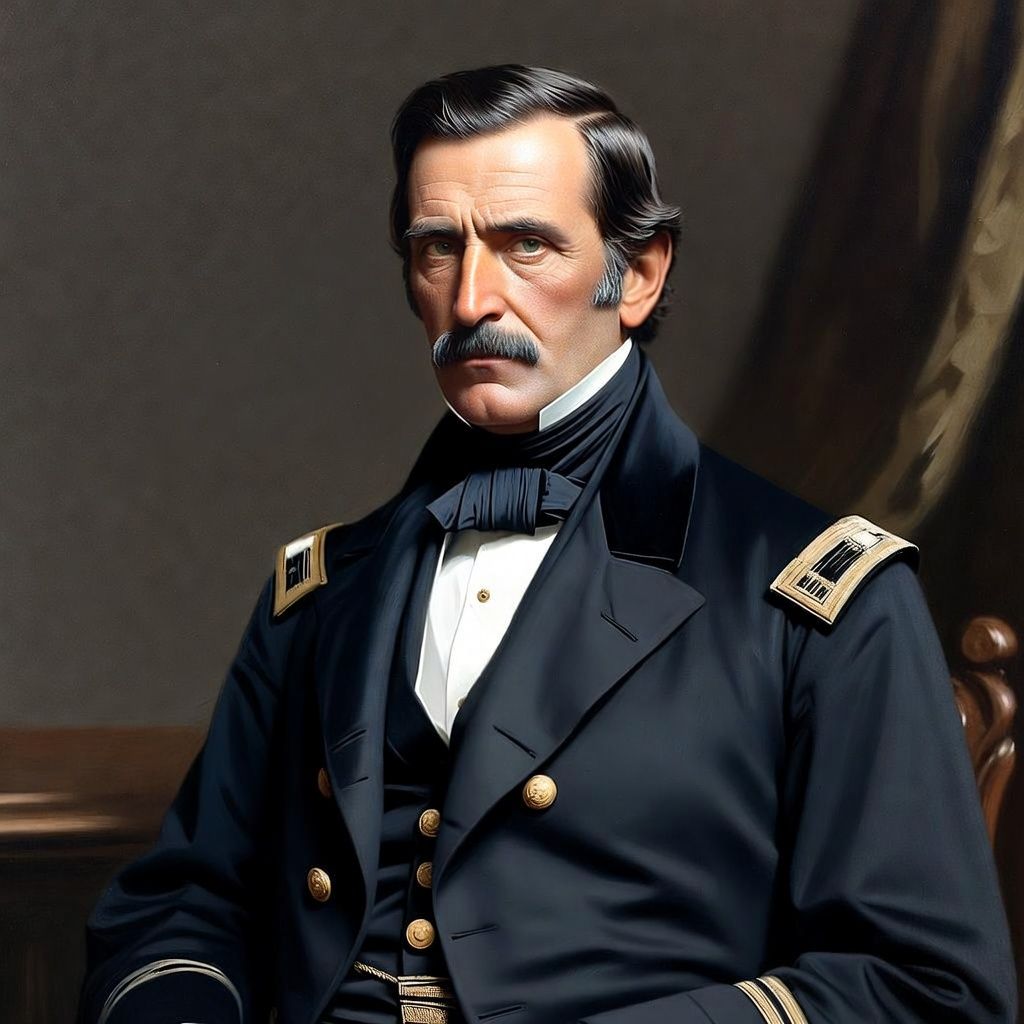
The line is associated with Gen. William Tecumseh Sherman’s repeated efforts after the Civil War to discourage political parties from drafting him for the U.S. presidency. In the late 1860s—especially around the 1868 election cycle—Sherman’s national fame made him an attractive “draft” candidate, despite his insistence that he had no desire for elective office. The statement became emblematic of a firm, preemptive refusal meant to stop speculation and prevent his name from being used to rally a convention. It later gave rise to the term “Shermanesque statement,” meaning an unequivocal declaration that one will not accept a nomination.
Interpretation
Sherman’s phrasing is deliberately absolute: it closes off every procedural path by which a reluctant figure might be maneuvered into office. By rejecting nomination, candidacy, and service in a single breath, he signals not mere modesty but a principled aversion to political power and the compromises of partisan life. The quote’s enduring significance lies in how it defines a rhetorical standard for political refusal—so categorical that it cannot be reinterpreted as coyness. In American political culture, it has become shorthand for a refusal intended to be final, not a negotiating position.
Variations
If nominated, I will not accept; if elected, I will not serve.
I will not accept if nominated and will not serve if elected.
If nominated I will not run; if elected I will not serve.