We are not only fighting hostile armies, but a hostile people, and must make old and young, rich and poor, feel the hard hand of war.
About This Quote
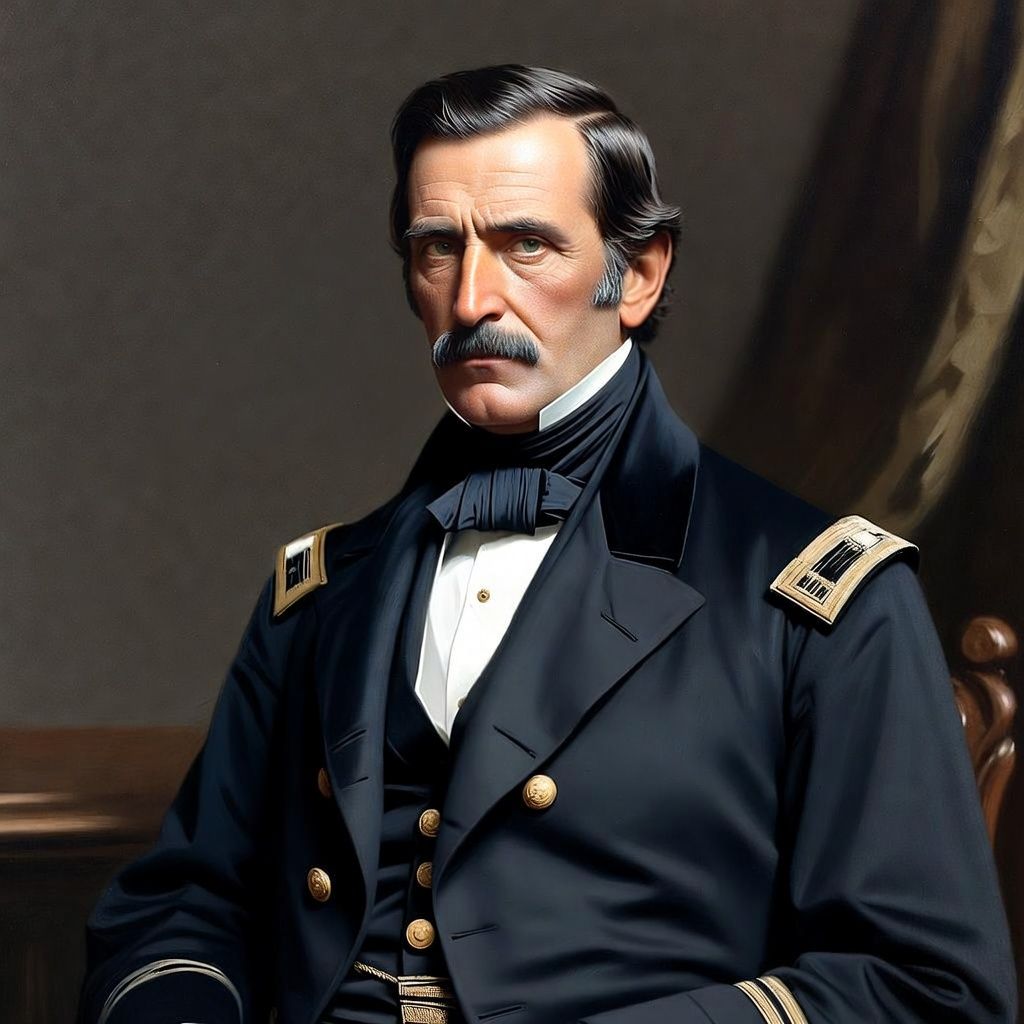
The line is associated with Union General William T. Sherman’s justification for “hard war” policies during the American Civil War, especially in the Western Theater and in the lead-up to his 1864 campaigns in Georgia and the Carolinas. Sherman argued that the Confederacy’s war effort depended not only on its armies but also on civilian support—food production, transportation, political will, and morale. In correspondence and public statements, he defended measures that targeted infrastructure and resources (railroads, depots, crops, factories) to hasten Confederate collapse and shorten the war. The quote reflects that rationale: war, in his view, had to be felt broadly by the society sustaining rebellion, not only by soldiers in the field.
Interpretation
Sherman frames the conflict as a struggle against an entire social system, not merely opposing troops. By calling the populace “hostile,” he collapses the distinction between battlefield and home front and treats civilian morale and material capacity as legitimate military targets. The phrase “make old and young, rich and poor, feel the hard hand of war” signals a deliberate strategy of coercion: inflict widespread hardship to break resistance and compel surrender. Ethically, the quote sits at the center of debates about total war and civilian immunity. Strategically, it expresses a belief that accelerating suffering in the short term could end the war sooner and ultimately reduce total bloodshed.