We are not fighting for integration, nor are we fighting for separation. We are fighting for recognition as human beings. We are fighting for… human rights.
About This Quote
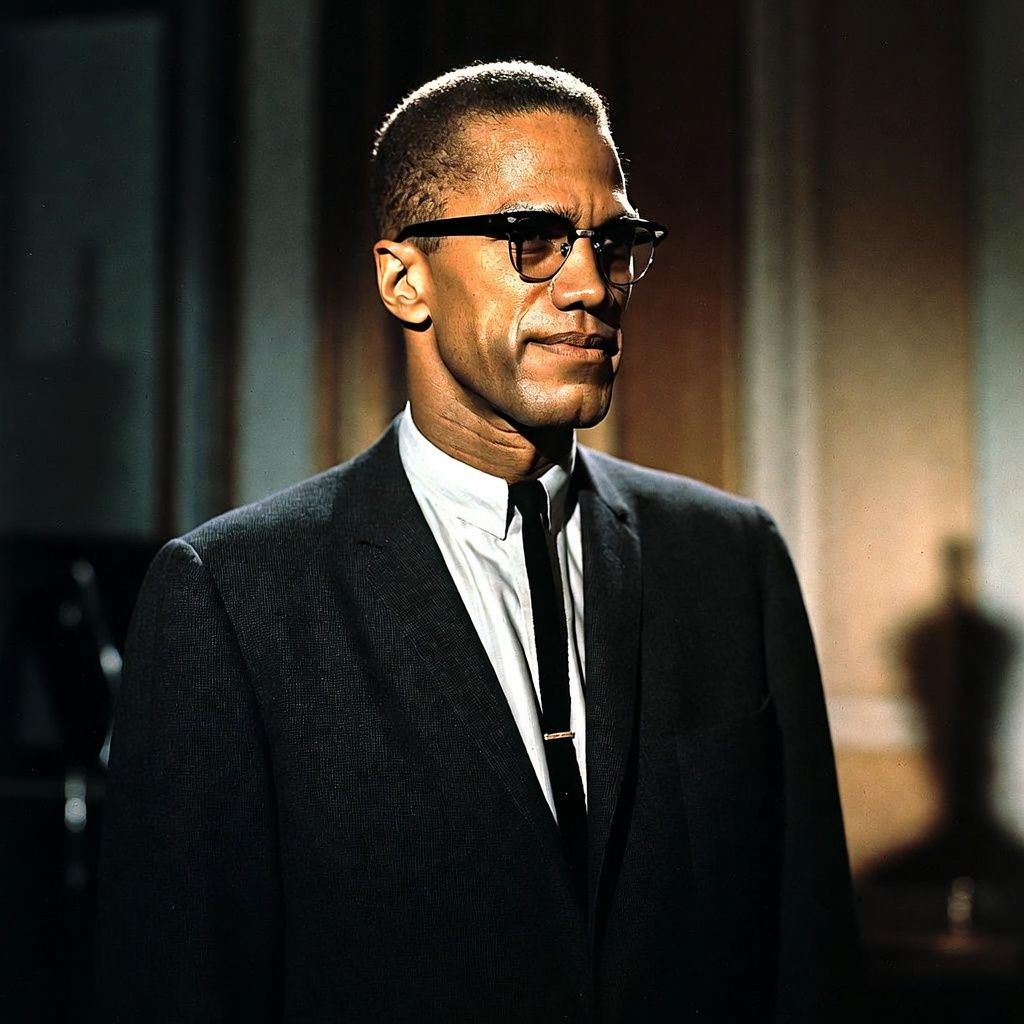
This formulation is associated with Malcolm X’s early-1960s public speeches and interviews in which he reframed the Black freedom struggle from a domestic “civil rights” issue to an international “human rights” issue. In that period—while he was a leading spokesman for the Nation of Islam—he often rejected the integration/separation binary as a distraction from the core demand: recognition of Black people’s full humanity and rights. The language reflects his effort to shift the debate away from whether Black Americans should be integrated into existing institutions and toward whether the United States was violating universally recognized human rights, a framing he later pursued more explicitly through international appeals.
Interpretation
The statement reframes the Black freedom struggle away from the mid‑century U.S. policy debate over “integration” versus “separation” and toward a more fundamental claim: Black people must be recognized as fully human, entitled to the same inherent rights as anyone else. By emphasizing “human beings” and “human rights,” the speaker elevates the issue from a domestic social arrangement to a universal moral and legal standard. It also implies that arguments about the preferred racial “arrangement” can distract from the core injustice—systematic denial of dignity, safety, and equal protection—and suggests that any political program is secondary to securing basic rights and recognition.