It is not the strongest of the species that survive, nor the most intelligent, but the one most responsive to change.
About This Quote
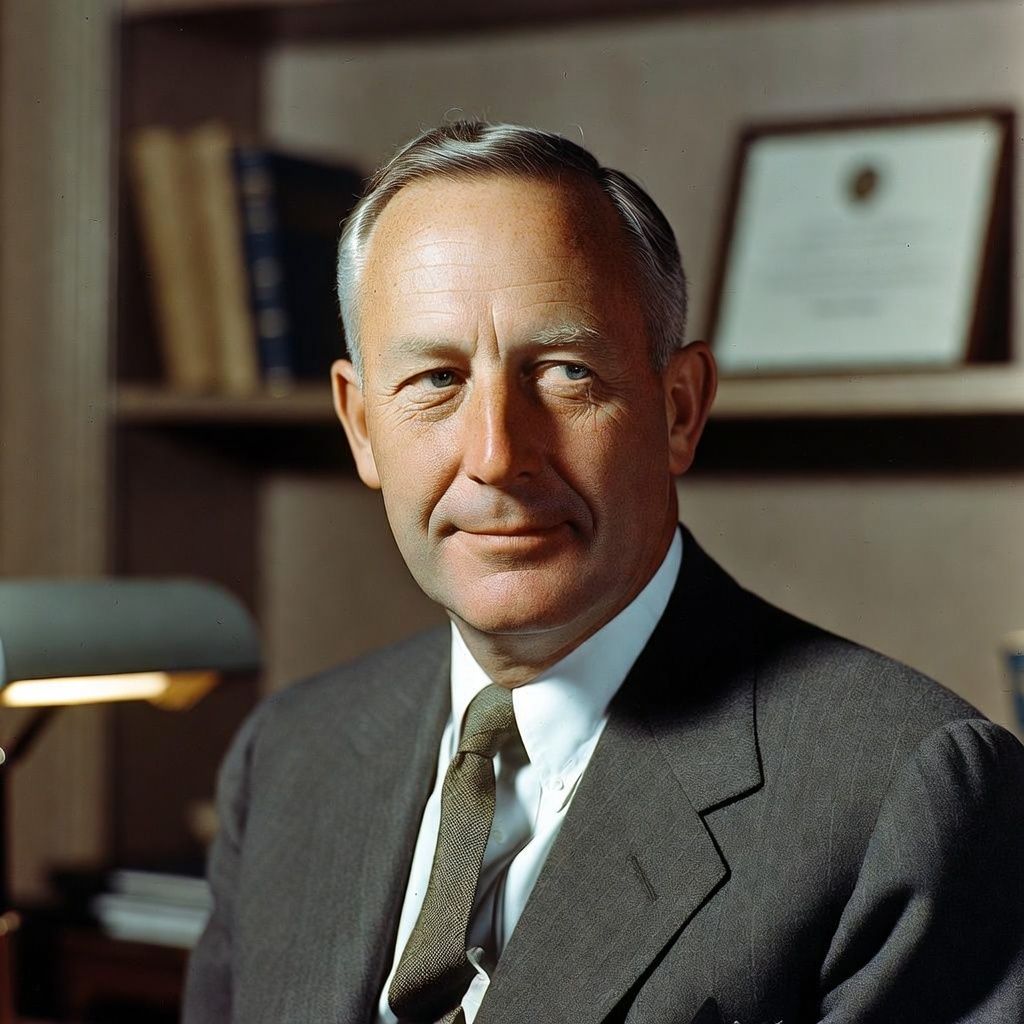
The wording commonly attributed to Charles Darwin is more reliably traced to Leon C. Megginson, a management and business professor, who paraphrased Darwinian natural selection in a mid‑20th‑century business/management context to emphasize adaptability. The line circulated widely in management training and popular business writing as a lesson about organizational survival under changing market conditions. It is best understood as a modern paraphrase rather than a verbatim statement from Darwin’s works, and its popularity reflects postwar managerial interest in “change” as a central competitive pressure.
Interpretation
The quotation reframes “survival of the fittest” to mean “survival of the most adaptable.” Its point is that advantages like power (strength) or capability (intelligence) can become liabilities if they produce rigidity. In nature, fitness is relative to an environment; when the environment shifts, the traits that once conferred advantage may no longer do so. Applied to people, institutions, or businesses, the line argues that responsiveness—learning, flexibility, and willingness to revise strategies—matters more than any fixed superiority. The enduring appeal of the quote lies in its practical moral: resilience is an active process of adaptation, not a static possession.