We would often be ashamed of our finest actions if the world understood all the motives which produced them.
About This Quote
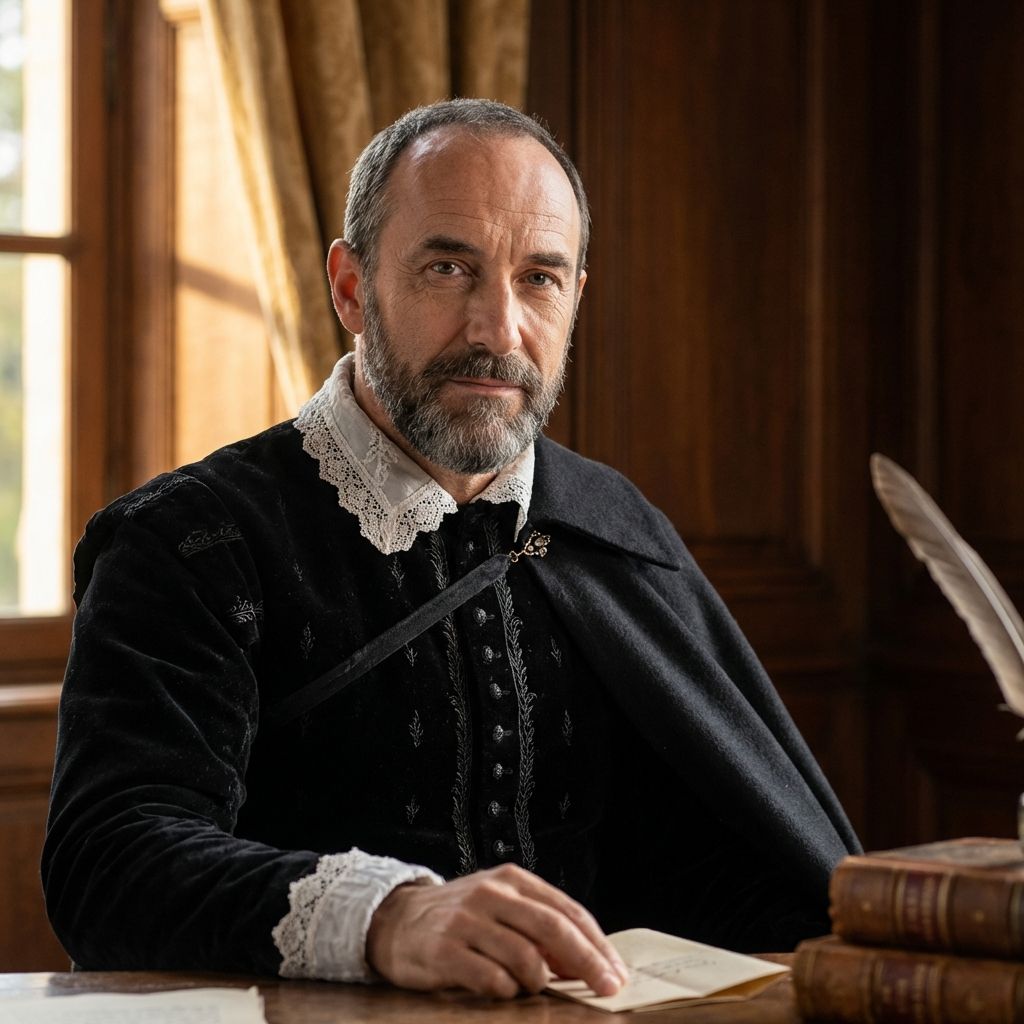
François VI, duc de La Rochefoucauld (1613–1680), was a French aristocrat shaped by court politics, the Fronde civil wars, and the moral theater of Louis XIV’s France. His reputation rests largely on the *Maximes* (first published 1665), a collection of terse, skeptical observations about self-interest, vanity, and the hidden springs of conduct. The quoted sentence reflects the salon culture and moral psychology of the period, in which public virtue and private motive were often at odds. La Rochefoucauld’s project was to strip away flattering accounts of human goodness by exposing the mixed, sometimes ignoble motives that can underlie even admired actions.
Interpretation
The maxim suggests that actions praised as “fine” or virtuous may be driven by motives—vanity, ambition, fear, desire for approval—that would tarnish their moral luster if fully known. La Rochefoucauld is not denying that good outcomes occur; he is questioning the purity of the agent’s intention and the reliability of self-knowledge. The sting lies in the idea that reputation depends on opacity: society judges deeds by appearances, while the actor’s inner calculus remains concealed. The line exemplifies his broader moral skepticism, urging readers to examine how often “virtue” is intertwined with self-love and how moral admiration can rest on incomplete information.
Source
François de La Rochefoucauld, *Réflexions ou sentences et maximes morales* (*Maximes*), maxim 409 (later editions; numbering varies by edition).