
The opposite of play is not work. It's depression.
About This Quote
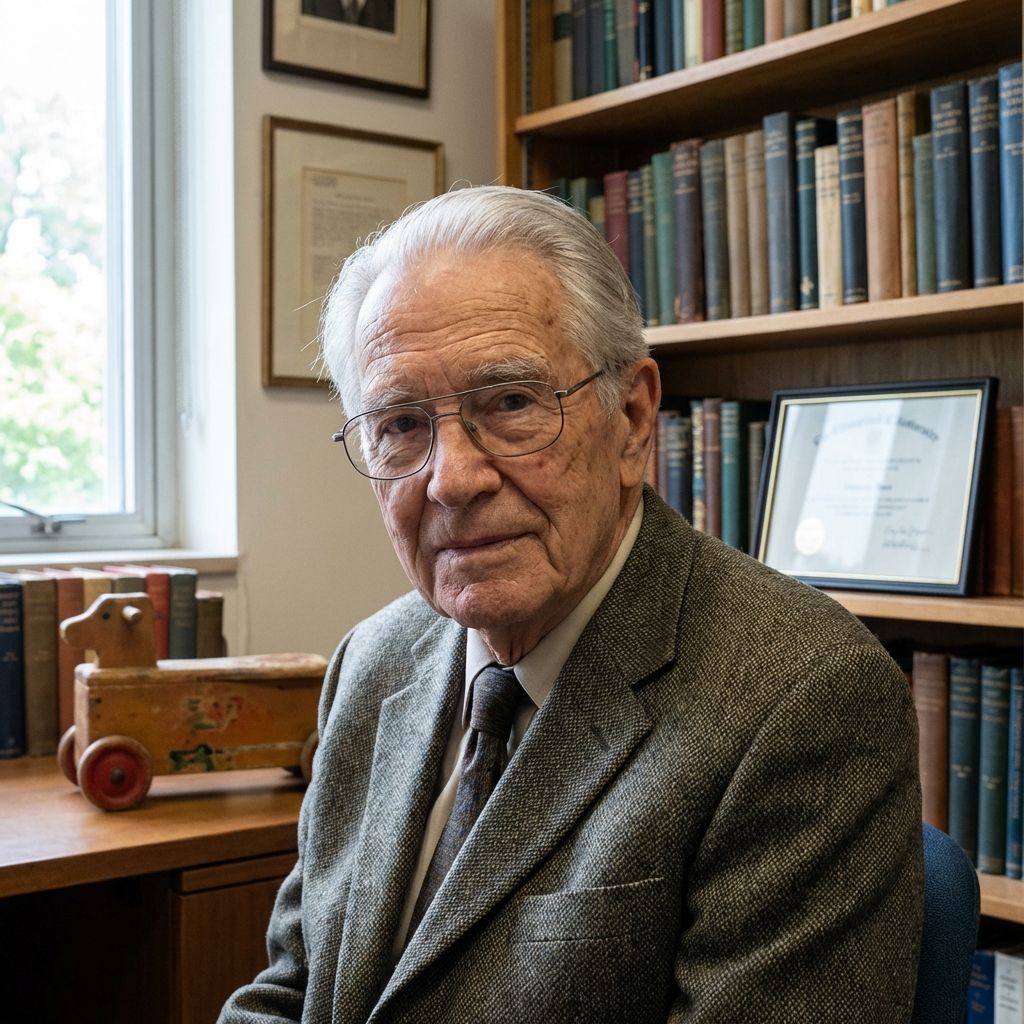
Brian Sutton-Smith (1924–2015) was a leading play theorist whose work reframed play as a fundamental human need rather than a frivolous pastime. The line is widely associated with his late-career synthesis of play research, where he emphasized play’s role in emotional resilience, flexibility, and well-being across the lifespan. In that intellectual context, Sutton-Smith pushed back against the common cultural opposition of “play” versus “work,” arguing instead that play is psychologically restorative and that its absence is most starkly felt not as industriousness but as diminished vitality and mood. The quote circulates frequently in education, therapy, and child-development discussions as a succinct summary of that stance.
Interpretation
The statement challenges a moralized dichotomy that treats play as the enemy of productivity. Sutton-Smith suggests that work and play are not true opposites: people can work playfully, and play can involve effort, skill, and seriousness. What genuinely stands against play is depression—an affective state marked by anhedonia, withdrawal, and reduced capacity for spontaneity and exploration. In this view, play is a sign and source of psychological health: it supports curiosity, social connection, and adaptive coping. The quote’s force lies in redefining play as essential to human flourishing rather than optional leisure, implying that depriving individuals (children or adults) of play risks emotional impoverishment.


