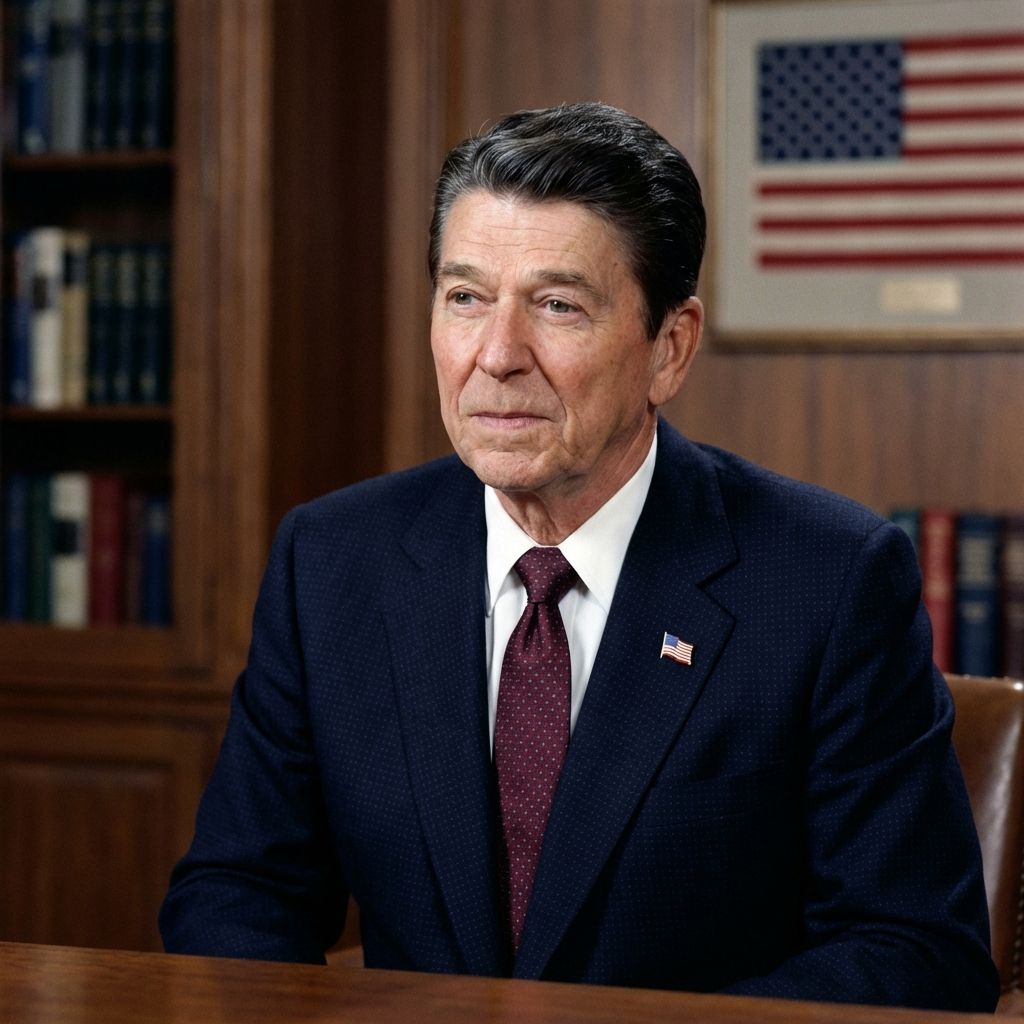
A patriot must always be ready to defend his country against his government.
About This Quote

Edward Abbey (1927–1989) was an American novelist and essayist closely associated with the modern environmental movement and with a libertarian, anti-authoritarian strain of Western political thought. The line is widely circulated in connection with Abbey’s critiques of state power, bureaucracy, and what he saw as the collusion of government and industry in the exploitation of public lands. It reflects the posture he adopted in his nonfiction and public persona: a suspicion of centralized authority and a belief that loyalty to the land and to constitutional principles can require resistance to official policy. The quote is commonly invoked in debates about civil liberties, dissent, and environmental direct action.
Interpretation
Abbey draws a sharp distinction between “country” and “government.” The country represents the people, the land, and the ideals a nation claims—while the government is a fallible, temporary apparatus that can betray those ideals. Calling this stance “patriotism” reframes dissent as a civic duty rather than disloyalty: genuine love of country may require opposing state actions that harm citizens, erode freedoms, or despoil shared natural heritage. The sentence also carries a warning about complacency—patriotism is not passive reverence but readiness to resist overreach. In Abbey’s hands, it aligns with a tradition of American radicalism that treats skepticism of power as a safeguard of democracy.