She was the People’s Princess, and that’s how she will stay… in our hearts and in our memories forever.
About This Quote
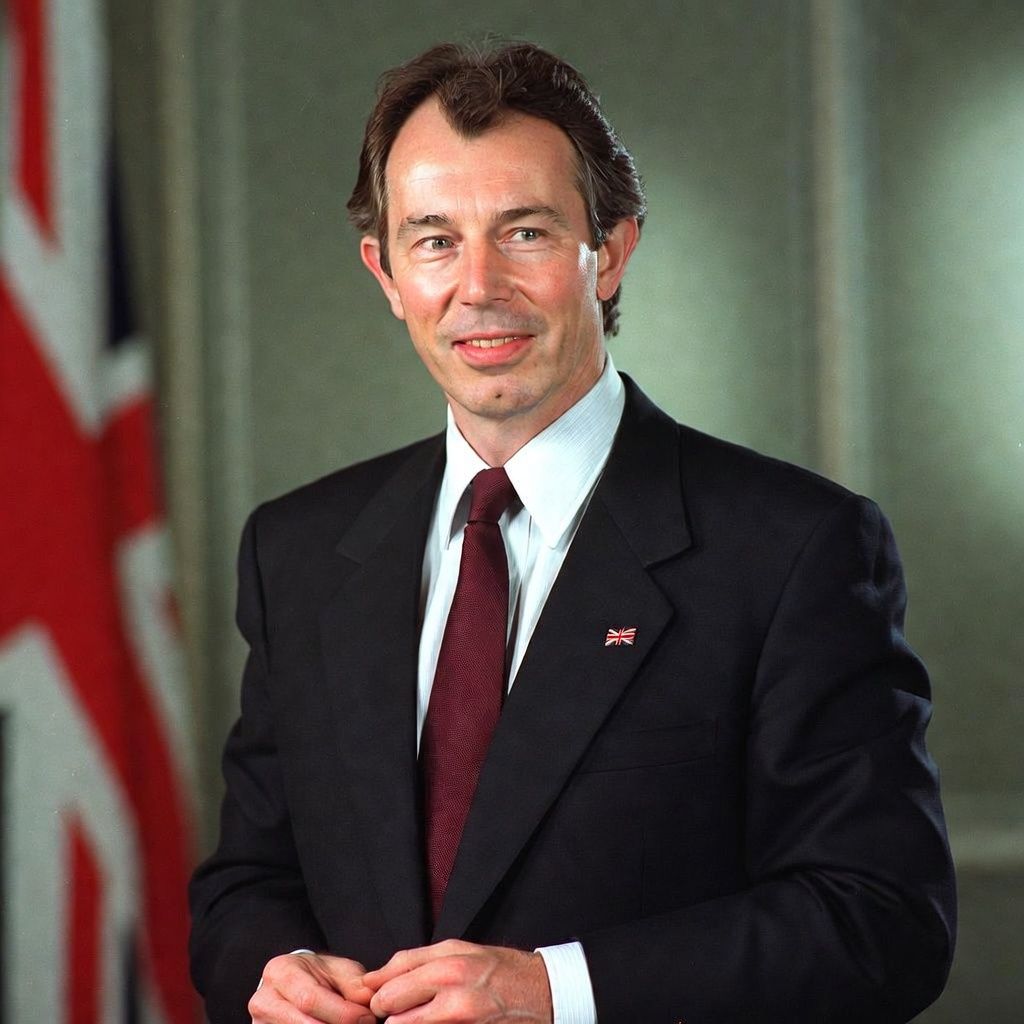
Tony Blair used this line in his televised statement as UK Prime Minister following the death of Diana, Princess of Wales, on 31 August 1997. The country was in shock after the Paris car crash, and public grief quickly became intense, with criticism directed at the Royal Family for appearing distant. Blair’s remarks—delivered from Sedgefield, his constituency—helped articulate the national mood and frame Diana’s public role as uniquely connected to ordinary people. The phrase “the People’s Princess” became a defining epithet during the mourning period and in subsequent remembrance of Diana.
Interpretation
The sentence canonizes Diana’s image as a figure whose legitimacy came less from constitutional position than from emotional rapport with the public. By calling her “the People’s Princess,” Blair shifts emphasis from monarchy’s inherited authority to a modern, media-shaped form of moral and affective authority—compassion, accessibility, and identification with popular feeling. The second clause (“that’s how she will stay… in our hearts and in our memories forever”) performs a collective act of memorialization, asserting permanence against the abruptness of her death. It also implicitly answers political and cultural anxiety by offering a stable narrative: Diana’s meaning will endure as shared memory.
Variations
1) “She was the people’s princess and that is how she will remain.”
2) “She was the People’s Princess, and that’s how she’ll stay, in our hearts and in our memories, forever.”
Source
Tony Blair, televised statement on the death of Diana, Princess of Wales (Sedgefield), 31 August 1997.