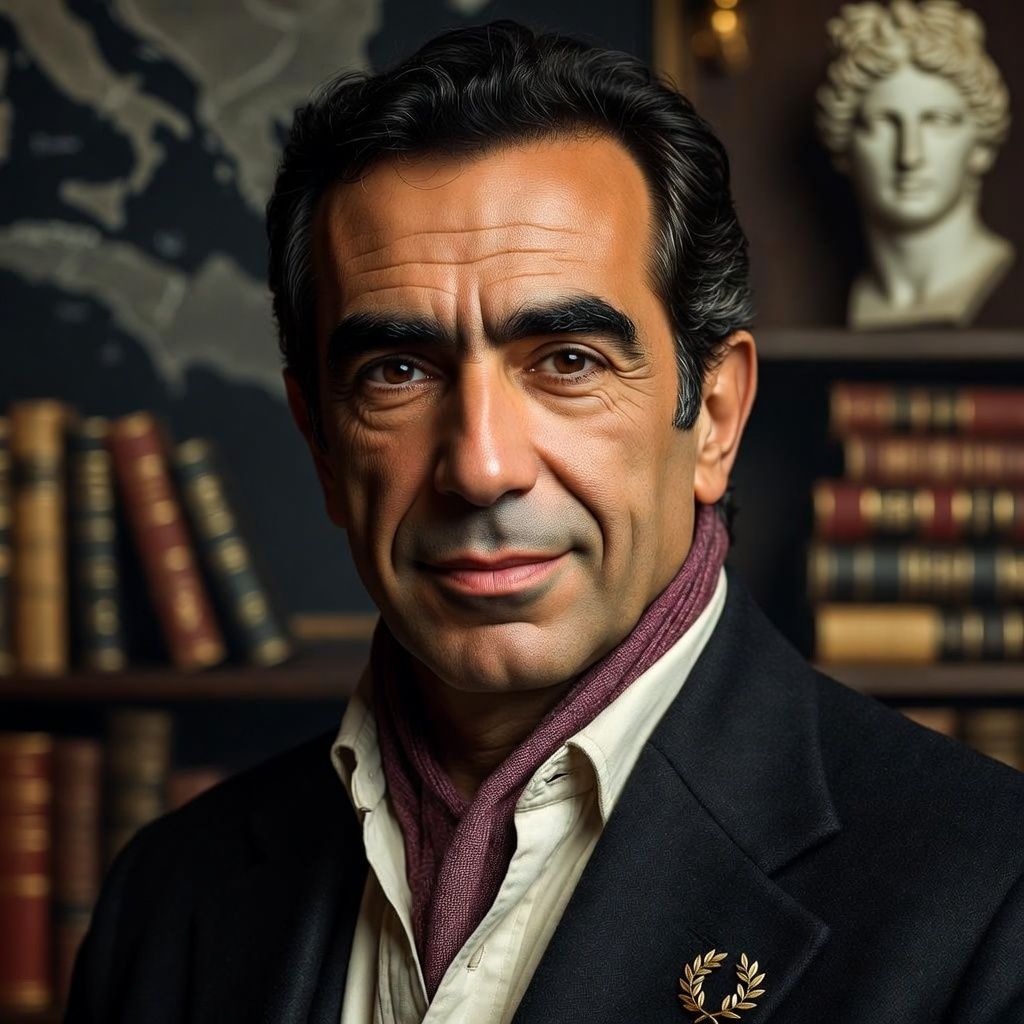
And I to my pledged word am true,
I shall not fail that rendezvous.
I shall not fail that rendezvous.
About This Quote
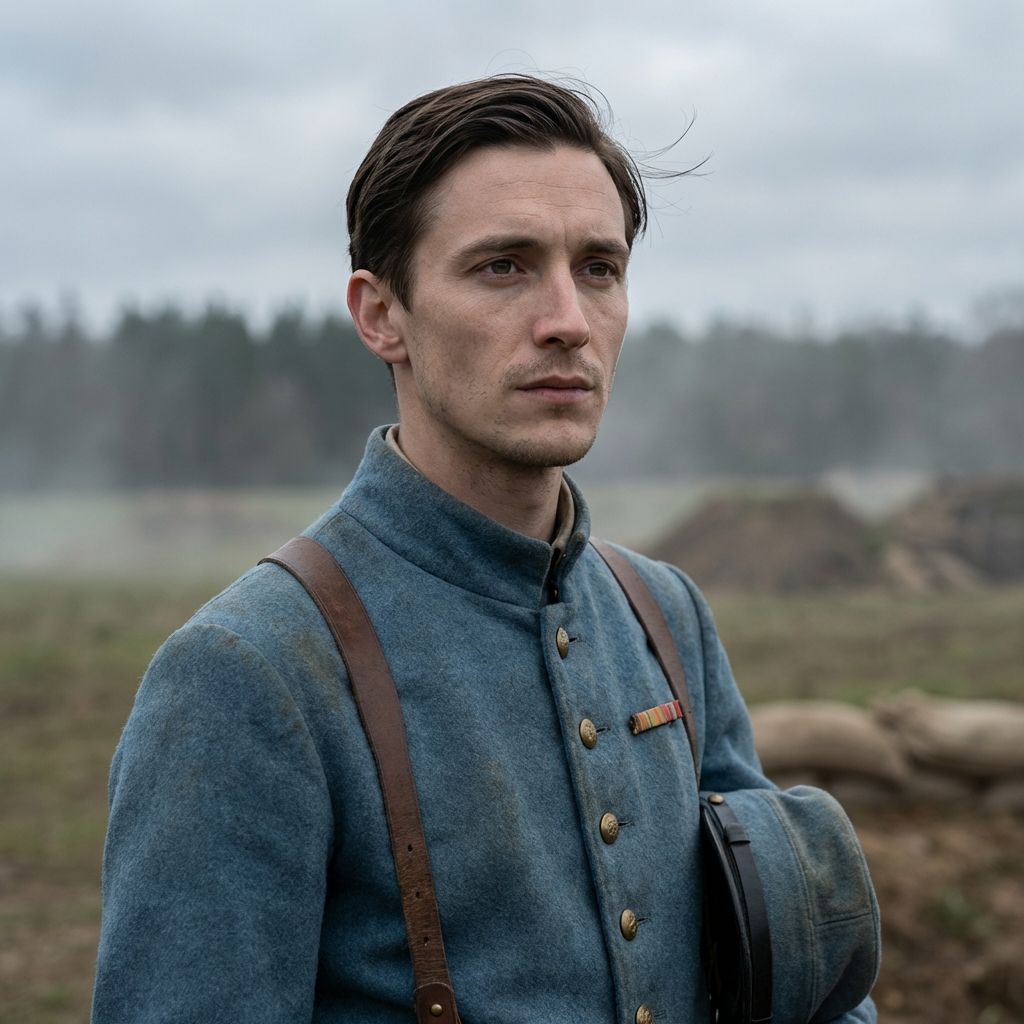
These lines are from Alan Seeger’s World War I poem “I Have a Rendezvous with Death.” Seeger, an American expatriate poet, enlisted in the French Foreign Legion in 1914 and wrote some of the best-known English-language verse associated with the early war years. The poem reflects the fatalistic resolve of a soldier who feels bound to meet death at an appointed time and place, regardless of personal longing or the beauty of life. Seeger was killed in action at Belloy-en-Santerre during the Battle of the Somme in 1916, which later intensified the poem’s reputation as a kind of self-fulfilling prophecy.
Interpretation
The speaker treats death not as a random accident but as a “rendezvous”—a meeting fixed by fate or duty. In these closing lines, “pledged word” suggests an oath: the soldier’s commitment to his role and to his comrades overrides fear and even the temptation to remain among “spring” and “apple-blossoms.” The tone is calm, almost courtly, turning mortality into an obligation honorably kept. The couplet’s firmness (“true,” “shall not fail”) crystallizes the poem’s central tension: the pull of life’s beauty against the moral or existential compulsion to face death when one’s time comes.