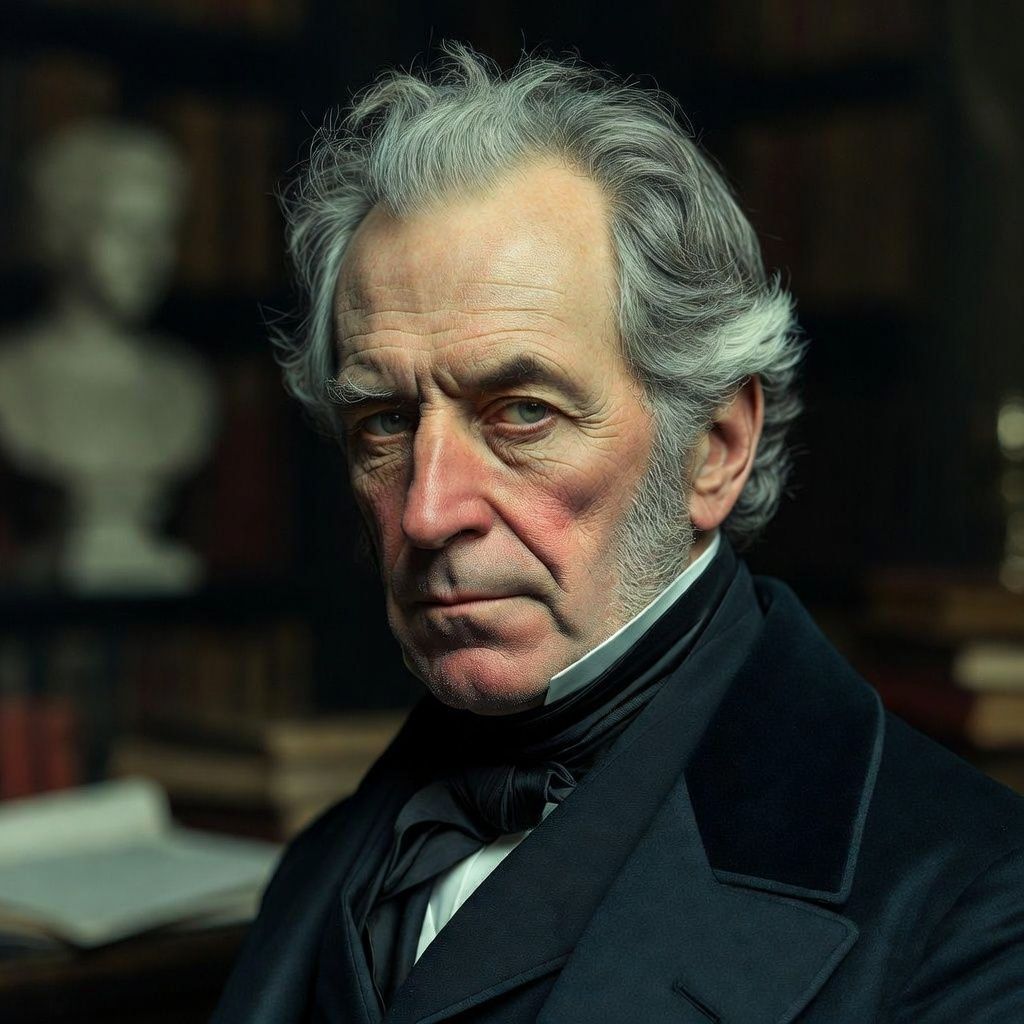
Poetry proceeds from the totality of man, sense, imagination, intellect, love, desire, instinct, blood and spirit together.
About This Quote

Jacques Maritain (1882–1973), a leading French Catholic philosopher associated with neo-Thomism, developed an influential aesthetics in the 1920s–1950s while engaging modern literature and art. In his writings on poetry and artistic creation, he argued against reducing poetry to technique, ornament, or mere intellectual construction. Instead, he described poetic knowledge as arising from the whole person—bodily sensation, imagination, affect, and intellect—working together in a unified act of creative intuition. The quotation reflects Maritain’s broader effort to reconcile classical metaphysics with modern artistic experience, emphasizing the artist’s interior life and the integrative nature of genuine poetic making.
Interpretation
Maritain’s claim is that poetry is not produced by a single faculty (such as reason alone) but by the integrated human being. “Sense” and “blood” stress embodiment and lived experience; “imagination” and “intellect” indicate form-making and understanding; “love,” “desire,” and “instinct” point to affective and pre-rational energies; “spirit” signals the person’s highest orientation and depth. The significance is a holistic theory of creativity: authentic poetry is a mode of knowledge and expression rooted in the unity of human nature. It also implies a critique of purely formalist or purely didactic accounts of poetry, insisting that art’s source is personal interiority as much as craft.