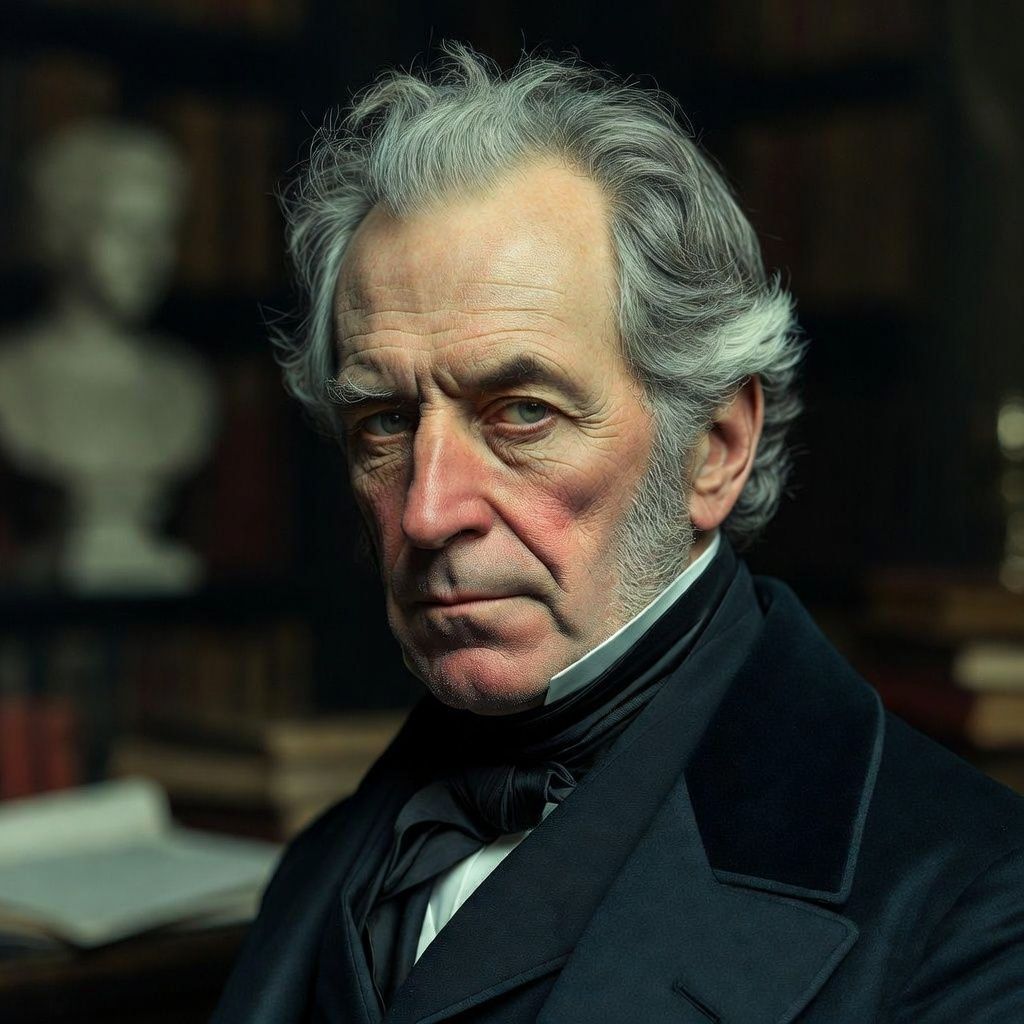
Poets are the hierophants of an unapprehended inspiration; the mirrors of the gigantic shadows which futurity casts upon the present.
About This Quote

Shelley writes this line in his essay “A Defence of Poetry” (1821), composed in response to Thomas Love Peacock’s satirical attack on poetry in “The Four Ages of Poetry.” Living in Italy and increasingly committed to radical political and aesthetic ideas, Shelley argues that poetry is not mere ornament but a vital human faculty shaping moral imagination and social progress. The essay circulated posthumously, first appearing in 1840 in Mary Shelley’s edition of his prose. The quoted sentence occurs in Shelley’s climactic peroration, where he elevates poets as visionary figures who intuit forces not yet fully understood by their age.
Interpretation
Shelley claims poets function like “hierophants” (interpreters of sacred mysteries), mediating an inspiration that society has not yet consciously grasped. By calling them “mirrors,” he suggests poets reflect and make visible vast, indistinct “shadows” cast by the future onto the present—anticipations of coming ideas, values, and social forms. The metaphor implies that poetry is prophetic not by predicting events but by revealing emergent possibilities in feeling and thought. In Shelley’s Romantic framework, imagination precedes and enables ethical and political change; poets articulate the latent aspirations of humanity before they become common sense.
Source
Percy Bysshe Shelley, “A Defence of Poetry” (written 1821; first published 1840 in Mary Shelley, ed., Essays, Letters from Abroad, Translations and Fragments, by Percy Bysshe Shelley, 2 vols., London: Edward Moxon).