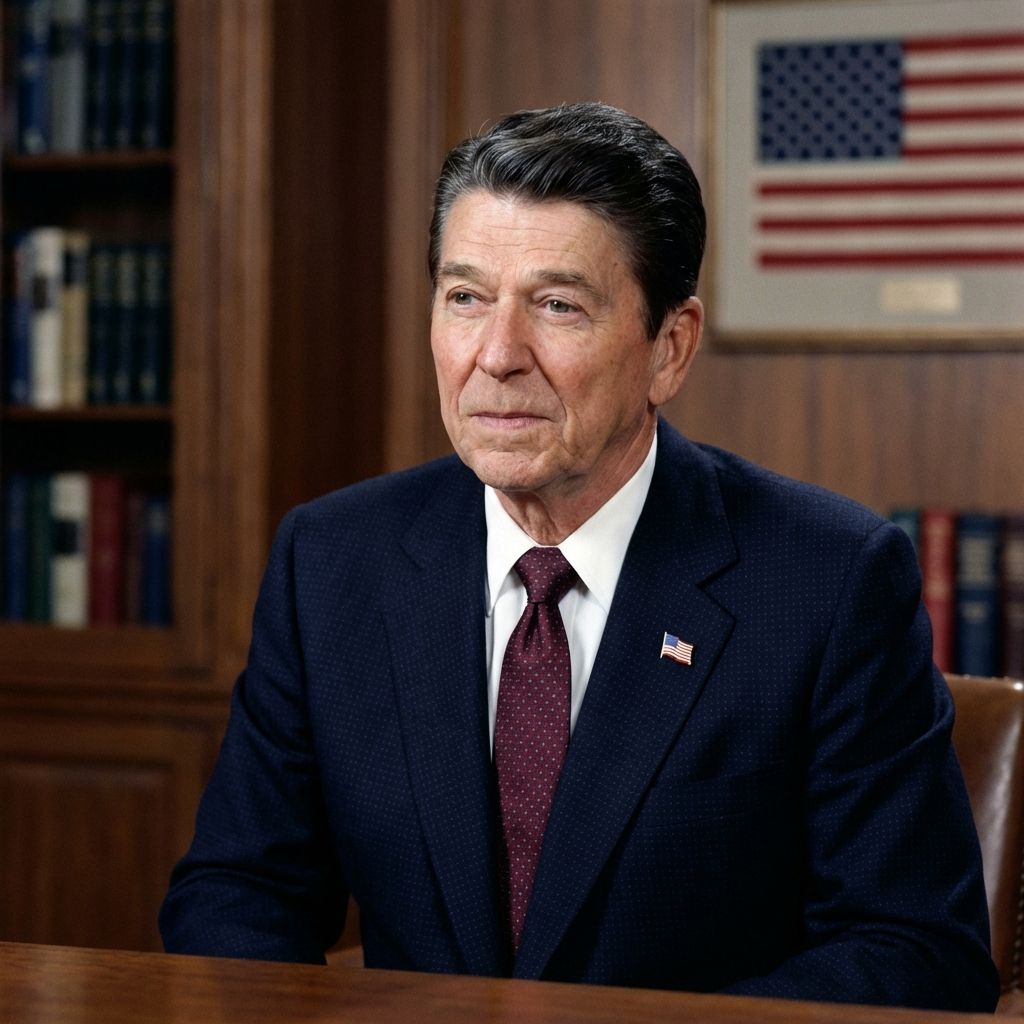
A pure democracy is a society consisting of a small number of citizens, who assemble and administer the government in person.
About This Quote

This sentence is commonly attributed to James Madison in the course of the Constitutional ratification debates, where he distinguished “pure” (direct) democracy from a “republic” (representative government). Madison and other Federalists argued that direct democracies were feasible only in small communities and were prone to instability and factionalism, whereas an extended republic could better filter public views through elected representatives and manage competing interests across a large territory. The formulation aligns closely with Madison’s well-known discussion of democracies versus republics in The Federalist Papers, written in 1787–1788 to advocate ratification of the U.S. Constitution.
Interpretation
Madison defines “pure democracy” as direct self-government: citizens meet and govern personally rather than through representatives. The definition is not merely descriptive; it supports a larger argument that direct democracy is structurally limited—practical only for small populations—and vulnerable to sudden majorities and factional passions. By contrast, Madison’s preferred model, a republic, uses representation and a larger geographic scale to refine and enlarge public opinion and to reduce the likelihood that a single faction can dominate. The quote thus encapsulates a foundational Federalist rationale for representative institutions and for designing constitutional checks that temper immediate popular impulses.