Ring out false pride in place and blood,
The civic slander and the spite;
Ring in the love of truth and right,
Ring in the common love of good.
Ring out old shapes of foul disease;
Ring out the narrowing lust of gold;
Ring out the thousand wars of old,
Ring in the thousand years of peace.
About This Quote
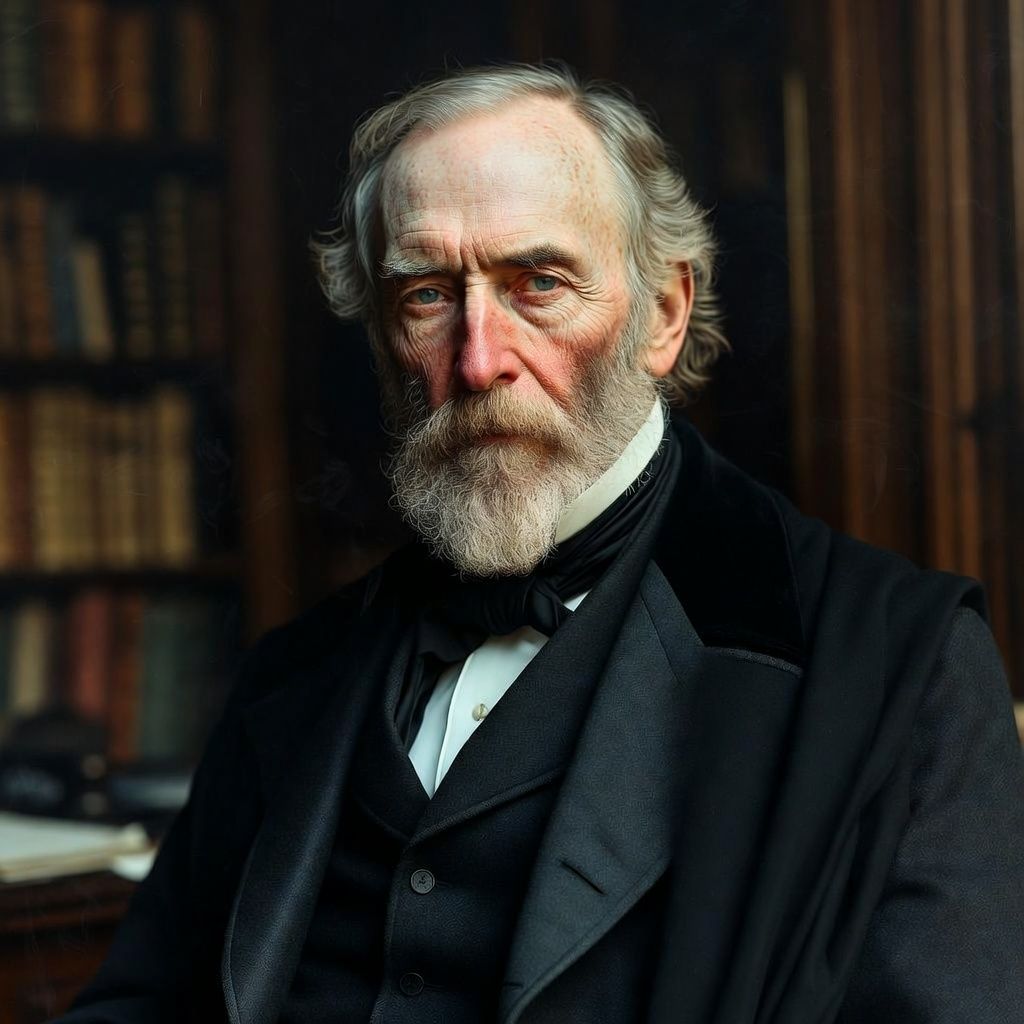
These lines come from Alfred, Lord Tennyson’s New Year poem “In Memoriam A.H.H.” (published 1850), written in elegy for his close friend Arthur Henry Hallam, who died suddenly in 1833. Near the poem’s conclusion, Tennyson turns from private grief to public hope, using the New Year’s bells as a refrain (“Ring out… Ring in…”) to imagine moral and social renewal. The passage reflects mid-Victorian anxieties about class privilege, political rancor, disease, greed, and war, and it channels a reformist, forward-looking spirit—casting the turning of the year as an opportunity to discard entrenched evils and welcome a more just, peaceful future.
Interpretation
The repeated imperative “Ring out… Ring in…” treats time as a moral threshold: the old year symbolizes inherited corruption (“false pride in place and blood”), civic malice, and destructive appetites (“lust of gold”), while the new year is imagined as an ethical rebirth grounded in “truth and right” and a shared “common love of good.” The bells function as a communal voice, urging society to replace status and spite with solidarity and conscience. The climactic hope for “the thousand years of peace” evokes millennial language (a long era of harmony), suggesting that personal mourning can widen into a vision of collective progress and reconciliation.
Source
Alfred, Lord Tennyson, “In Memoriam A.H.H.” (1850), Canto 106 (“Ring out, wild bells, to the wild sky…”).