For last year's words belong to last year's language
And next year's words await another voice.
And to make an end is to make a beginning.
About This Quote
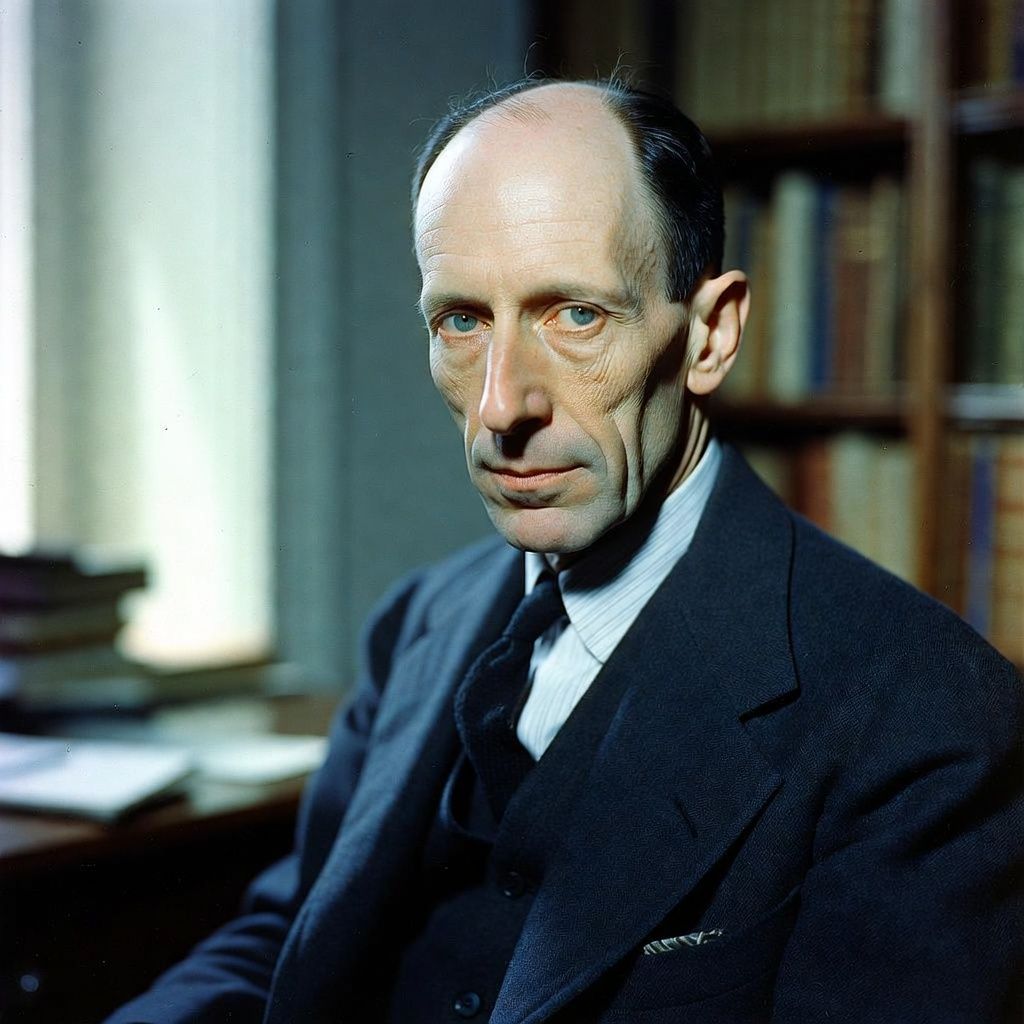
These lines come from T. S. Eliot’s “Little Gidding,” the fourth and final poem of his Four Quartets, first published in 1942 during the Second World War. Eliot frames the poem around the Anglican community at Little Gidding in Huntingdonshire, a historical site associated with religious devotion and civil-war-era upheaval. In the Quartets, Eliot meditates on time, memory, spiritual discipline, and renewal amid crisis. The quoted lines occur near the close of “Little Gidding,” where Eliot turns from the ruins and repetitions of history toward the possibility of spiritual and linguistic renewal—suggesting that endings (personal, cultural, historical) can become thresholds to new beginnings.
Interpretation
Eliot links language to time: what once felt apt (“last year’s words”) can become inadequate as circumstances and understanding change. “Next year’s words” implies that genuine speech—truthful expression, prayer, poetry, or moral clarity—requires a new “voice,” a renewed inward stance rather than mere repetition. The final line condenses a central theme of Four Quartets: time is not simply linear loss but can be redeemed through transformation. An “end” is not only termination but also completion, the point at which meaning can be gathered and a new cycle can begin. The passage thus treats change as both necessity and opportunity: renewal demands letting go of stale formulations and accepting the risk of new utterance.
Source
T. S. Eliot, “Little Gidding,” in Four Quartets (first published 1942).