You say eether and I say eyether,
You say neether and I say nyther;
Eether, eyether, neether, nyther—
Let’s call the whole thing off!
You say neether and I say nyther;
Eether, eyether, neether, nyther—
Let’s call the whole thing off!
About This Quote
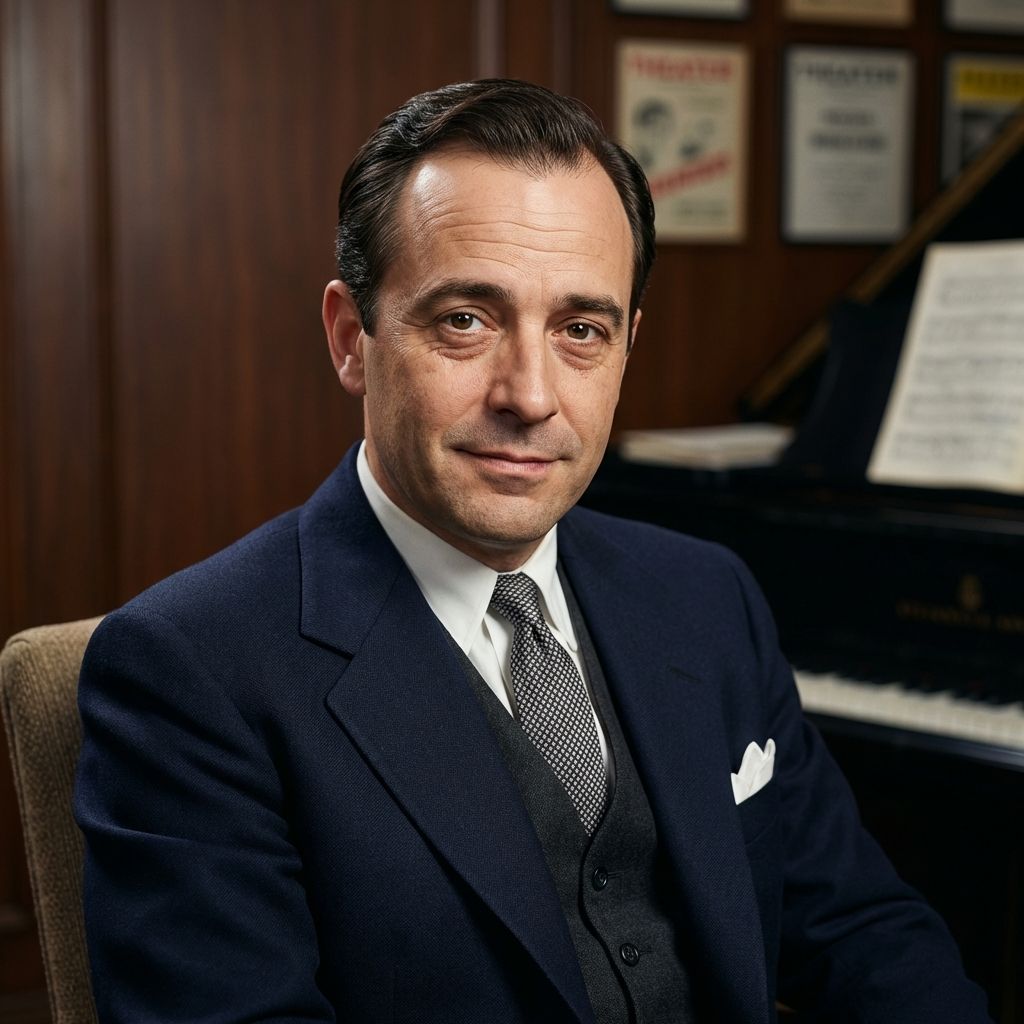
These lines are lyrics by Ira Gershwin from the song “Let’s Call the Whole Thing Off,” written with music by his brother George Gershwin. The song was introduced in the 1937 RKO film Shall We Dance, performed by Fred Astaire and Ginger Rogers. In the film and in the song’s conceit, a romantic couple discovers that small differences in pronunciation and taste (“either,” “neither,” and other everyday words) symbolize deeper incompatibilities. The lyric plays on class, regional, and social distinctions in American English, turning a light comic argument about speech into a flirtatious negotiation over whether the relationship can last.
Interpretation
The humor comes from treating trivial phonetic differences as if they were relationship deal-breakers. Beneath the joke, the lyric suggests how identity and belonging are encoded in accent and diction: pronunciation becomes a shorthand for upbringing, social milieu, and personal style. The refrain “Let’s call the whole thing off” dramatizes the impulse to make sweeping decisions based on small irritations, while the song’s overall tone (in performance) often implies the opposite—that the lovers enjoy sparring and may reconcile. Gershwin’s wordplay also highlights the arbitrariness of “correct” speech, inviting listeners to hear language as flexible, social, and emotionally charged.
Variations
“You like potato and I like potahto; / You like tomato and I like tomahto— / Potato, potahto, tomato, tomahto— / Let’s call the whole thing off!”
Source
“Let’s Call the Whole Thing Off,” lyrics by Ira Gershwin, music by George Gershwin; introduced in the film Shall We Dance (RKO Radio Pictures), 1937.