See the land, her Easter keeping,
Rises as her Maker rose.
Seeds, so long in darkness sleeping,
Burst at last from winter snows.
Earth with heaven above rejoices...
About This Quote

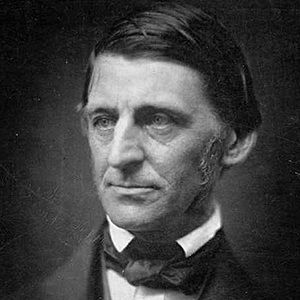
These lines come from a Victorian Easter hymn by the Anglican priest, novelist, and social reformer Charles Kingsley (1819–1875). Kingsley frequently drew on the natural world to illuminate Christian doctrine, and in Easter verse he links the seasonal renewal of spring—thawing ground, germinating seed, returning light—to the Resurrection. The hymn belongs to the mid-19th-century English tradition of congregational hymnody that sought vivid, accessible imagery for worship, and it reflects Kingsley’s characteristic confidence that nature and faith harmonize: the created world itself becomes a kind of liturgy, “keeping” Easter through its annual rebirth.
Interpretation
The stanza treats springtime as a living parable of Easter. The land “keeps” Easter not by words but by action: what lay buried and inert rises again, echoing Christ’s rising “as her Maker rose.” Seeds in “darkness sleeping” suggest both the tomb and human despair; their bursting through snow becomes a sign that death and winter are not final. The movement from darkness to emergence frames resurrection as both cosmic and intimate—written into the rhythms of earth itself. The closing thought, that “Earth with heaven above rejoices,” fuses material and spiritual realms, implying that redemption is not only a heavenly promise but a renewal that touches creation.