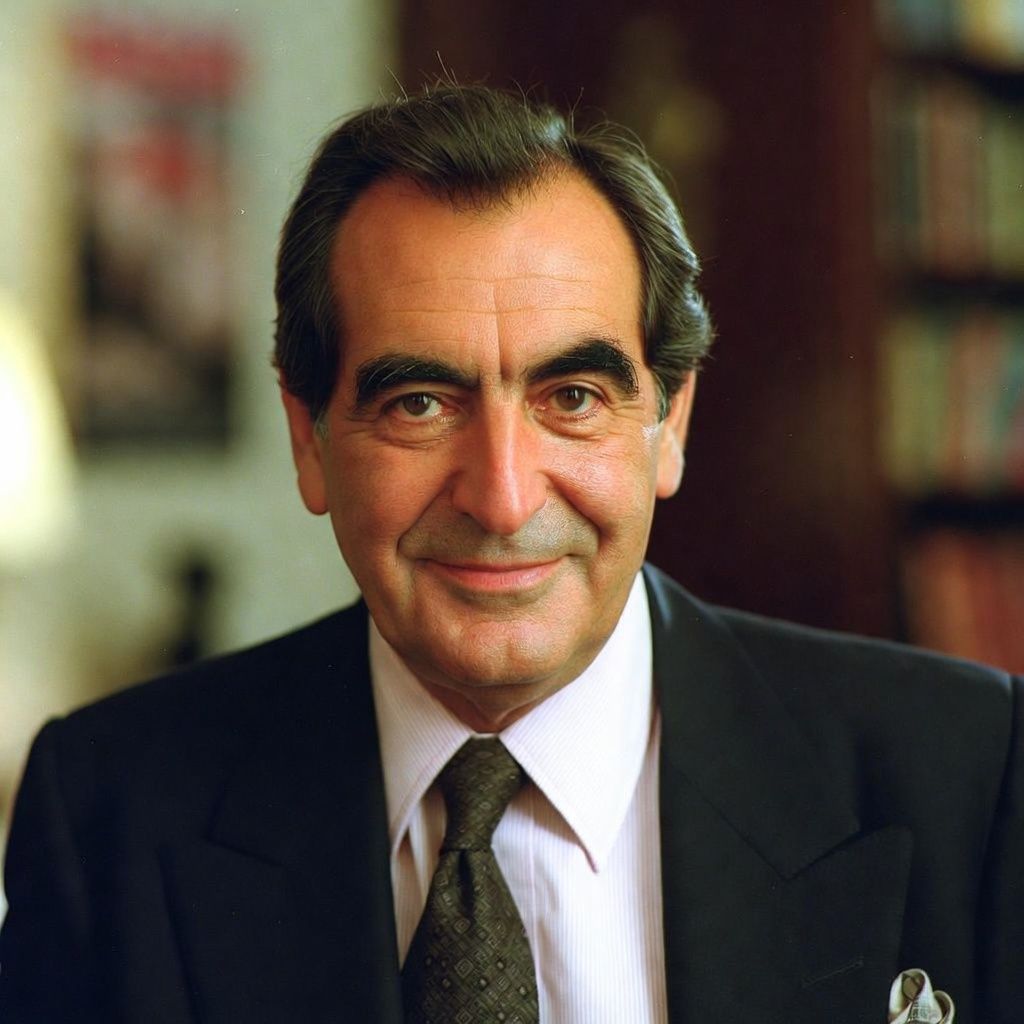
You see things; and you say “Why?” But I dream things that never were; and I say “Why not?”
About This Quote

The line is spoken by John Tanner in George Bernard Shaw’s play *Man and Superman* (1903), most commonly cited from the “Maxims for Revolutionists” appendix that follows the play. Shaw, a leading Fabian socialist and critic of Victorian complacency, uses Tanner as a vehicle for provocative, reformist rhetoric. The contrast between “Why?” and “Why not?” encapsulates Shaw’s broader theatrical project: to challenge conventional morality and social arrangements by treating them as changeable human constructions rather than fixed realities. The aphorism became one of Shaw’s most frequently excerpted statements about imagination, progress, and the spirit of reform.
Interpretation
The quotation opposes two attitudes toward the world: the empiricist or resigned observer who accepts existing conditions and asks only for explanations, and the imaginative reformer who treats the present as provisional and asks what could be otherwise. “Why not?” is a call to creative audacity—an insistence that social norms, institutions, and personal limitations are not inevitable. In Shaw’s hands, the line is not mere optimism; it is a polemical stance that frames progress as the product of dissenting imagination. The aphorism also implies that innovation begins as an affront to “common sense,” because it starts from possibilities that have not yet been realized.
Variations
1) “Some men see things as they are and say, Why? I dream things that never were and say, Why not?”
2) “You see things and you say ‘Why?’ But I dream things that never were; and I say ‘Why not?’”
Source
George Bernard Shaw, *Man and Superman: A Comedy and a Philosophy* (1903), “Maxims for Revolutionists” (appendix).