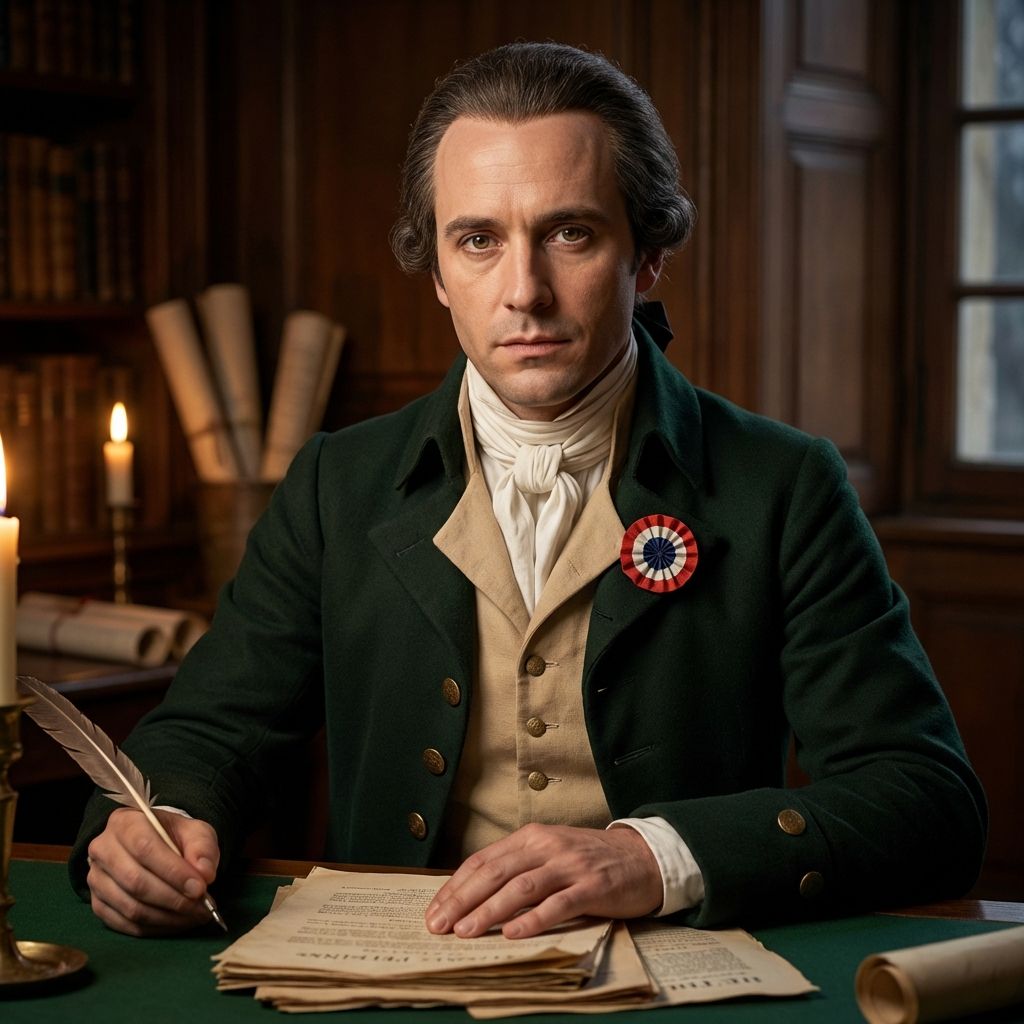
Sir Roger . . . told them, with the air of a man who would not give his judgement rashly, that much might be said on both sides.
About This Quote

This line comes from Addison’s early-eighteenth-century periodical essays in The Spectator, where he and Richard Steele created the fictional “Spectator Club.” Sir Roger de Coverley, a genial, old-fashioned country baronet, is used to satirize (and affectionately portray) English social manners and conversational habits. In the club’s discussions, Sir Roger often offers cautious, conventional opinions that sound judicious while avoiding commitment. The phrase “much might be said on both sides” is presented as part of this characterization: a stock, noncommittal formula that signals prudence and authority without actually advancing an argument.
Interpretation
Addison’s humor lies in exposing a familiar rhetorical posture: the speaker who performs impartiality by insisting that “both sides” have merit, yet contributes nothing decisive. In context, the line gently mocks the social value placed on appearing reasonable and measured—especially among gentlemen—over the harder work of analysis or taking a stand. At the same time, it captures a real conversational truth: many disputes do have complexities. The quote endures because it neatly names a kind of respectable equivocation, a phrase that can be either genuinely fair-minded or a polite way to avoid disagreement.