It [the Spanish-American War] has been a splendid little war, begun with the highest motives, carried on with magnificent intelligence and spirit, favored by that fortune which loves the brave.
About This Quote
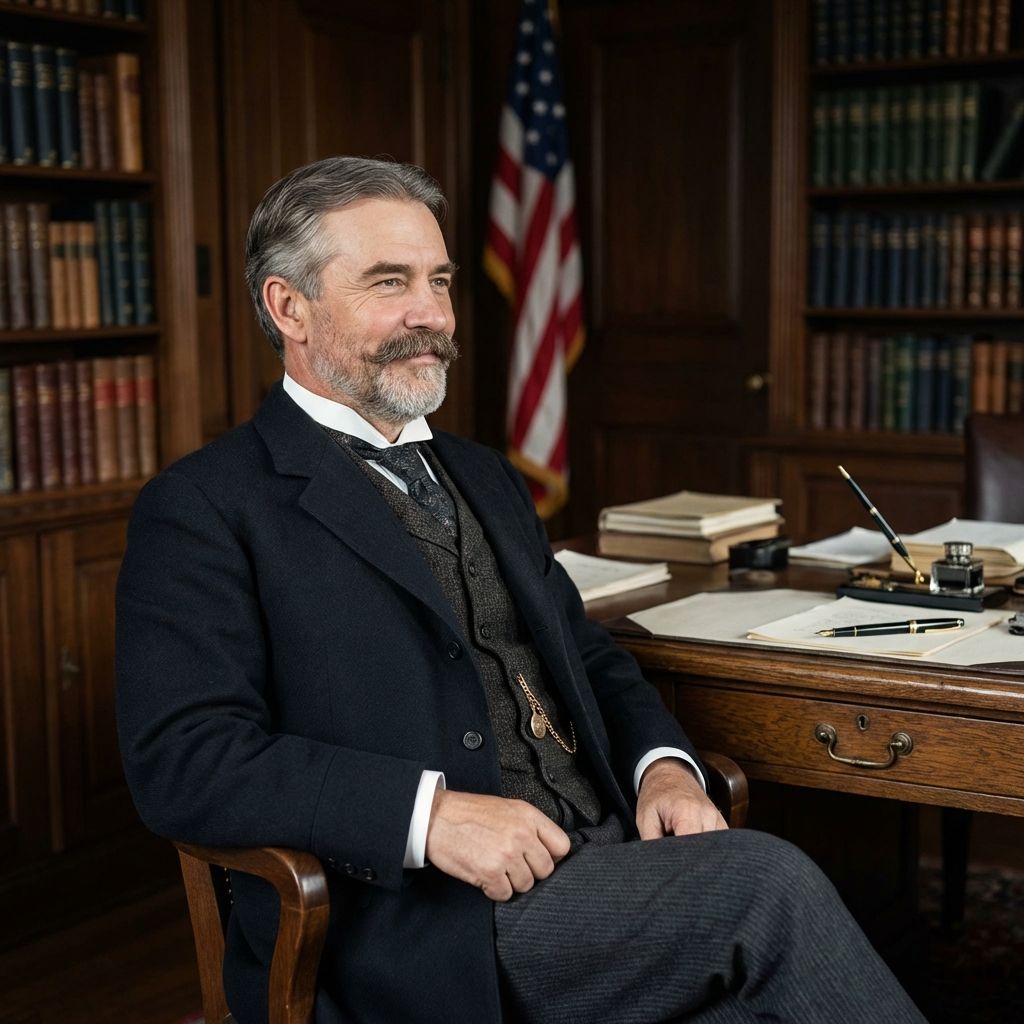
John Milton Hay, serving as U.S. Ambassador to the Court of St James’s in London, wrote this assessment near the end of the Spanish–American War (1898). The line comes from a private letter to Theodore Roosevelt—then a prominent war hero and political figure—reflecting elite Republican confidence that the conflict had been swift, successful, and politically advantageous. Hay’s phrase captured the prevailing triumphal mood among many U.S. officials after decisive naval victories and the rapid collapse of Spanish power in Cuba and the Philippines. The remark later became famous (and controversial) as shorthand for the war’s celebratory framing, despite the complex aftermath of U.S. expansion and subsequent conflicts.
Interpretation
Calling the Spanish–American War a “splendid little war” compresses several claims: that the war was morally justified (“highest motives”), efficiently executed (“magnificent intelligence and spirit”), and blessed by providence or luck (“fortune which loves the brave”). The rhetoric is self-congratulatory and legitimizing, presenting military success as evidence of virtue and competence. Historically, the phrase has been read ironically by later commentators because the war’s “splendid” brevity masked the human costs and the imperial consequences that followed—especially U.S. annexations and the Philippine–American War. As a document, it reveals how victory narratives can naturalize expansion by casting it as both righteous and inevitable.
Variations
1) “It has been a splendid little war; begun with the highest motives, carried on with magnificent intelligence and spirit, favored by that fortune which loves the brave.”
2) “The war has been a splendid little war … begun with the highest motives, carried on with magnificent intelligence and spirit, favored by that fortune which loves the brave.”
Source
John Hay to Theodore Roosevelt, letter, 27 July 1898.