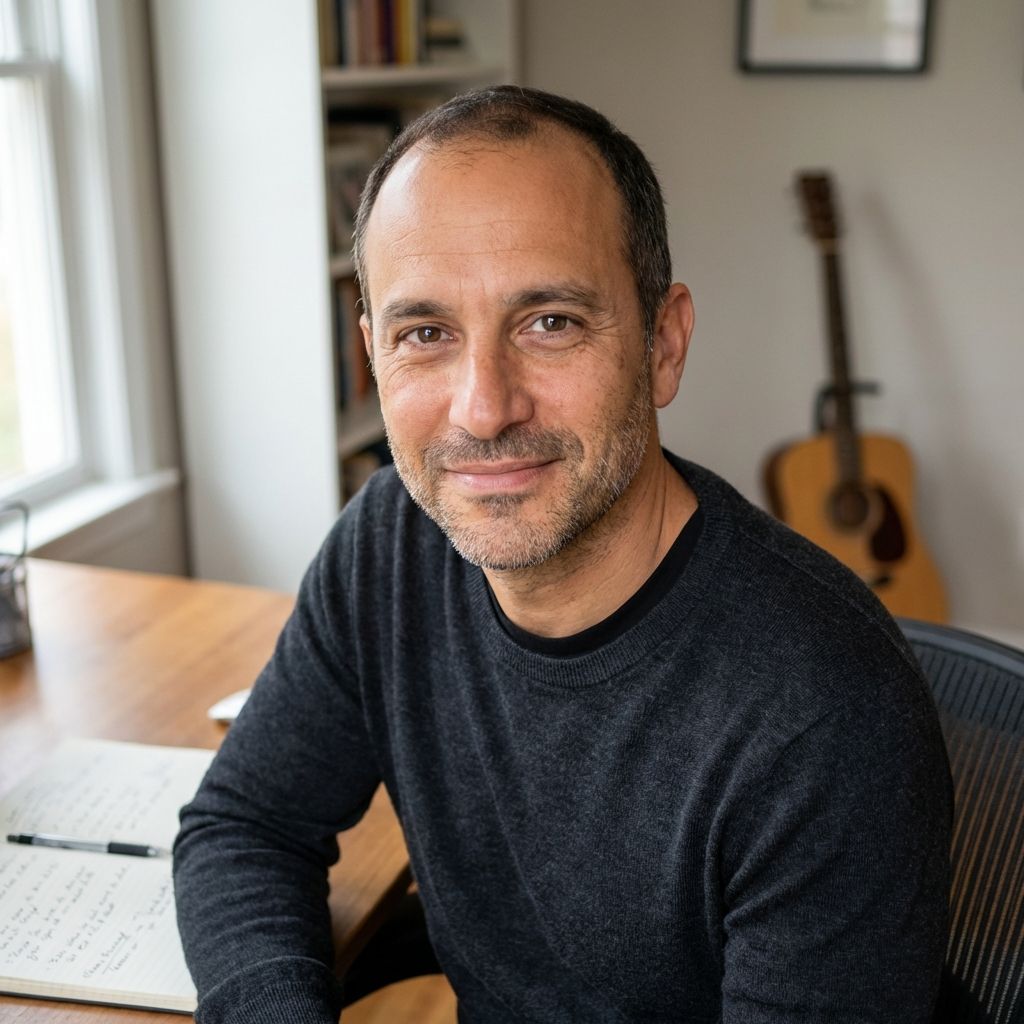
Television has a real problem. They have no page two. Consequently every big story gets the same play and comes across to the viewer as a really big, scary one.
About This Quote
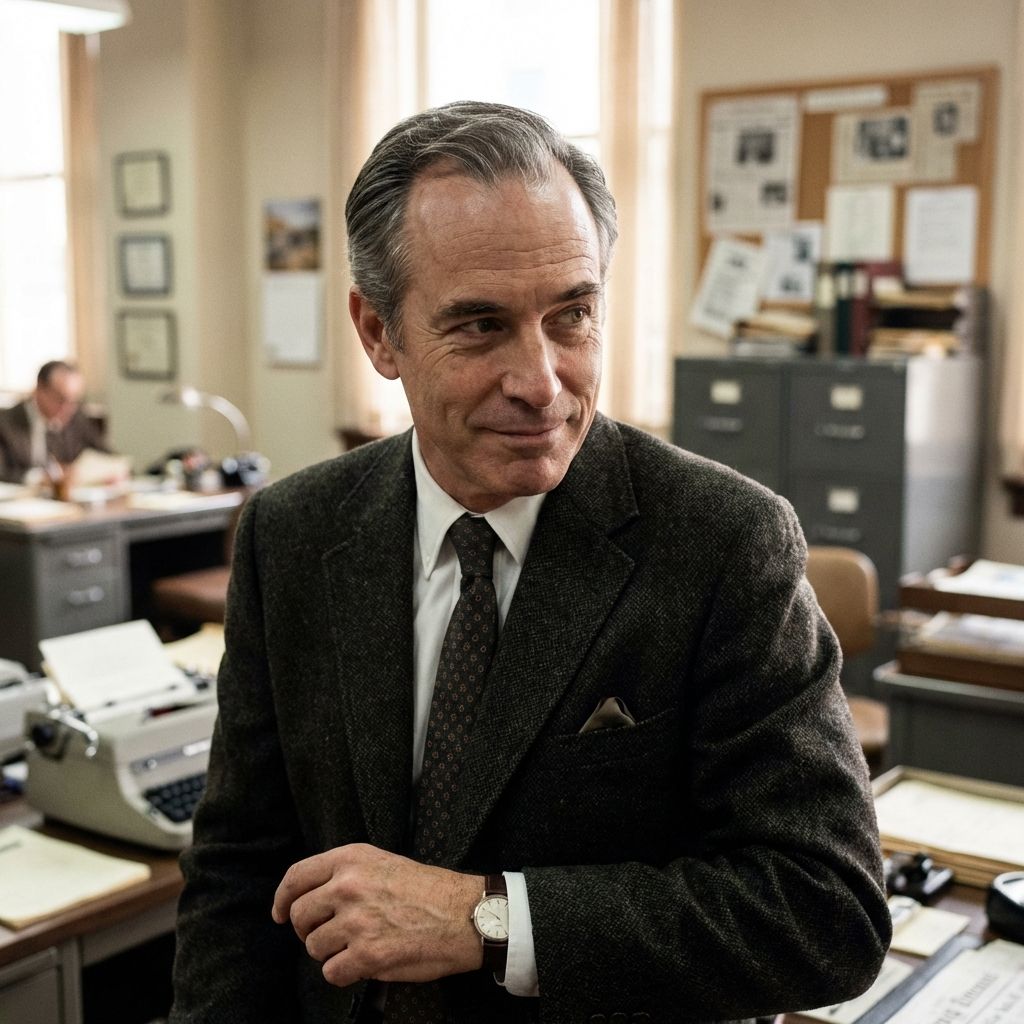
Art Buchwald (1925–2007) was a widely syndicated American humor columnist known for satirizing politics and the news media. This remark reflects a late-20th-century media environment in which television news, constrained by short segments and a visually driven format, often presented disparate events with similar urgency. Buchwald’s quip draws on the newspaper convention of “page one” versus “page two,” where editors signal relative importance through placement and space. By noting that TV has no equivalent “inside page,” he highlights how broadcast news can flatten distinctions among stories and amplify anxiety, a recurring theme in media criticism during the era of expanding 24-hour news coverage.
Interpretation
Buchwald’s point is that television lacks a built-in hierarchy of significance. Newspapers can relegate minor items to later pages, but TV tends to present each segment with similar production cues—urgent tone, dramatic visuals, and prominent placement—so viewers experience many stories as equally momentous. The line is both a joke and a critique: when everything is treated like front-page news, audiences may feel constant alarm and lose a sense of proportion. Implicitly, Buchwald argues for editorial restraint and clearer signaling of scale and context, warning that a medium’s format can shape public perception as much as the facts themselves.